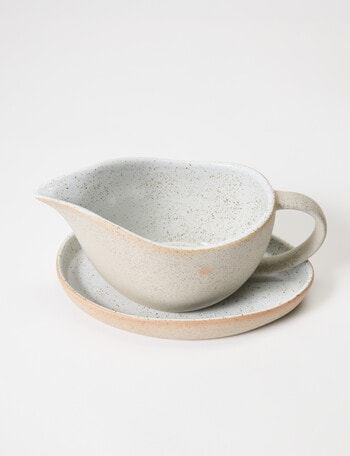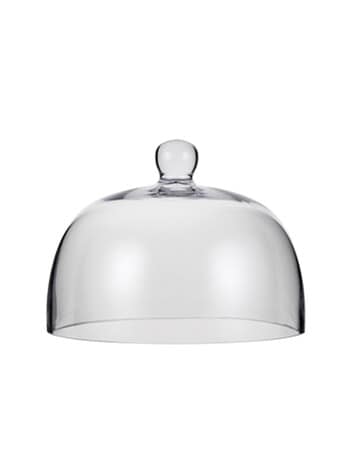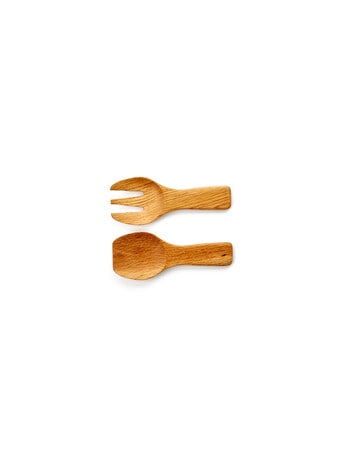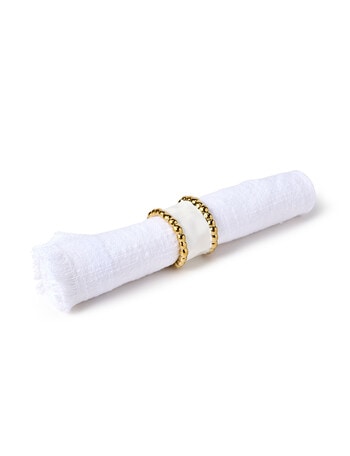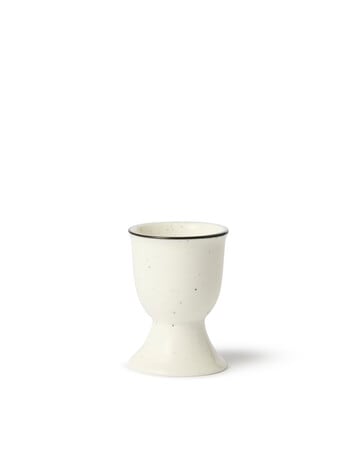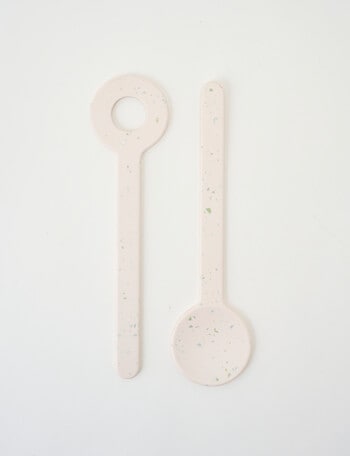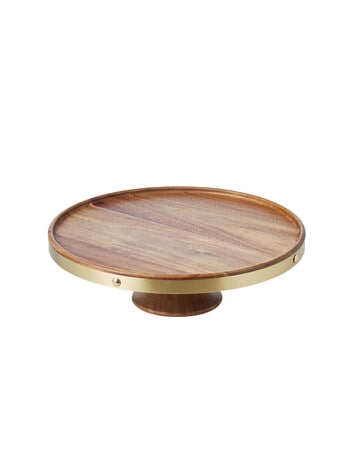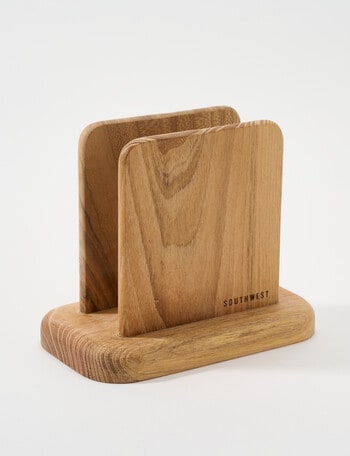
The final distribution of food from shared platters and bowls relies on specialised tools designed for ease of handling. From salad servers and cake lifters to condiment spoons, these accessories provide a functional solution for managing different textures and portions. Having a dedicated selection of serving tools ensures that the meal remains organised and that guests can help themselves with precision in any social or family environment.
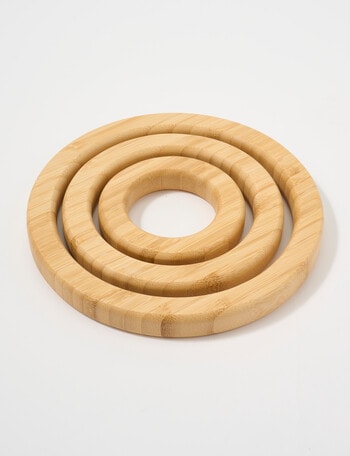
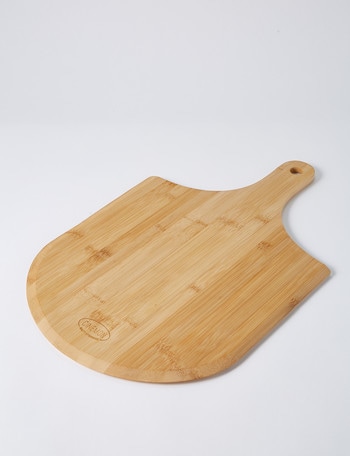
Modern serving accessories are built from durable materials like stainless steel, timber, and silicone, chosen for their longevity and ease of cleaning. These items are intended to complement your primary serveware, providing a cohesive look across the table. Most designs prioritise ergonomic handling, ensuring that even heavy or delicate food items can be moved safely from the serving dish to individual plates.
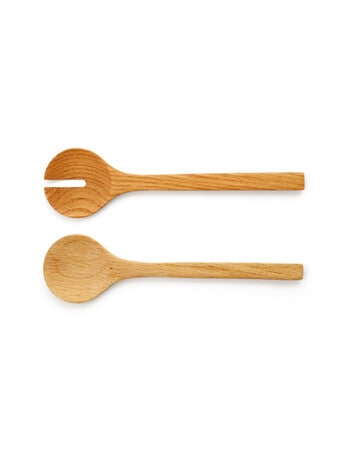
A well-equipped kitchen typically includes a variety of tools suited to different serving tasks. Salad servers are frequently selected for their ability to toss and portion greens without damage, while larger serving spoons and forks are commonly used for pastas and roasted meats. Specialised accessories for condiments or smaller side dishes ensure that every part of the meal is accessible and well-presented during daily dining or entertaining.
Should I match my serving tools to my cutlery or my serveware?
This is often a matter of personal preference. Many households choose stainless steel tools that coordinate with their cutlery for a unified look. Others prefer natural timber or ceramic-handled accessories that match their serving bowls and platters. Selecting a consistent style helps create a polished and organised table setting.
Are these accessories safe for dishwasher cleaning?
Most stainless steel and silicone serving tools are designed for the convenience of dishwasher use. For items with wooden handles or specialised finishes, hand-washing is often suggested to prevent the material from drying out or losing its finish over time. Always checking the manufacturer's care instructions is a frequent practice for maintaining the utility of these tools.
How many serving spoons do I realistically need?
Having at least two to three pairs of larger serving tools is commonly recommended to ensure you can serve a main and multiple sides simultaneously. Keeping a few smaller spoons for sauces and dressings ensures you are prepared for more complex meals without needing to wash items between courses.