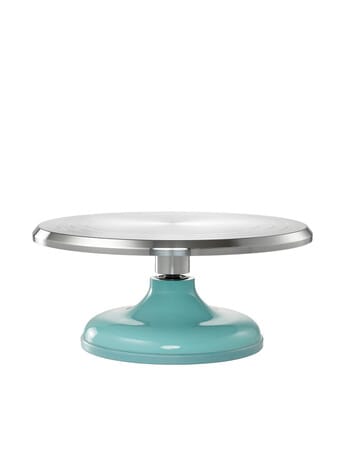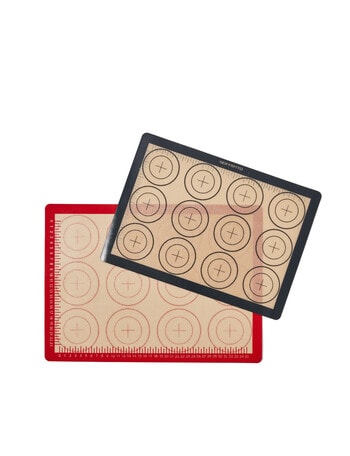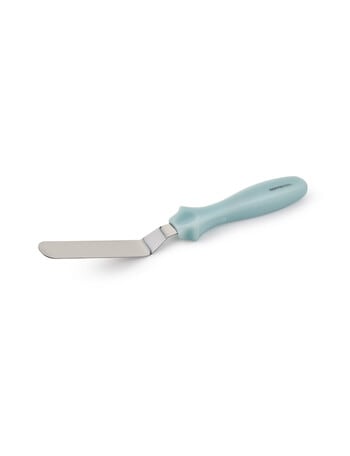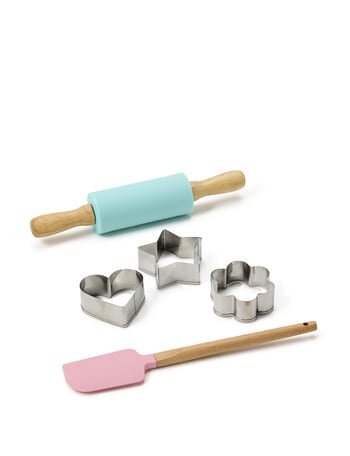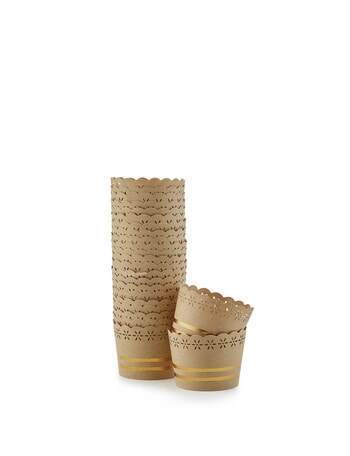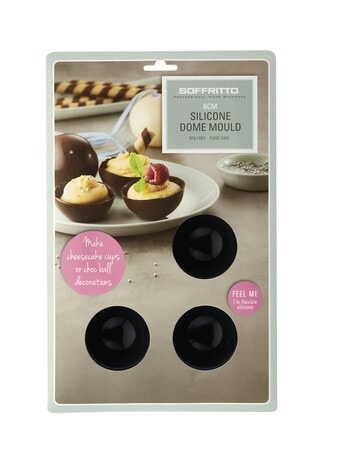
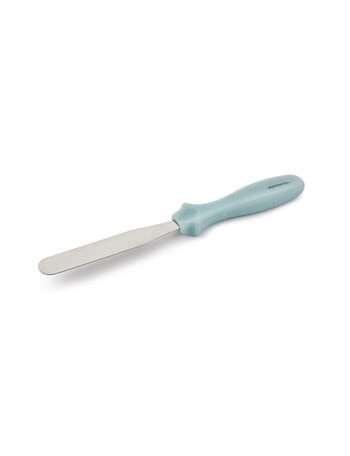
Achieving a refined result in baking depends heavily on the use of specialised secondary tools that assist with measurement, assembly, and finishing. At Farmers NZ, our comprehensive collection of baking tools and accessories features durable solutions from trusted brands like Stevens, MasterPro, and Mason Cash. From the precise application of glazes to the accurate portioning of mixtures, the right utensils ensure your kitchen tasks are managed with efficiency.
The utility of baking accessories lies in their ability to handle focused tasks that general-purpose utensils cannot accommodate. Whether your goal is to create a consistent texture with a high-quality whisk or to finish a cake with detailed decoration, these items provide a reliable solution for every stage of your recipe. Modern designs prioritise durability, featuring ergonomic handles and food-safe materials built for frequent use.
Baking accessories are constructed from premium materials chosen for specific structural functions. Understanding the benefits of each material helps protect your bakeware inventory:
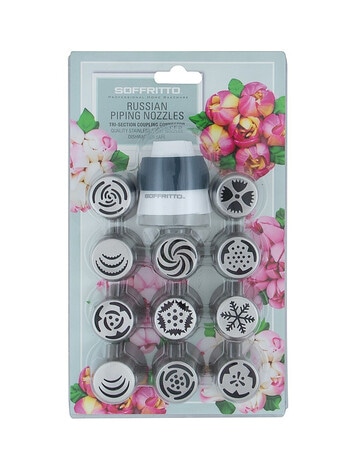
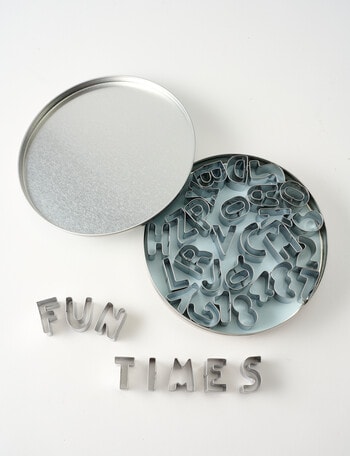
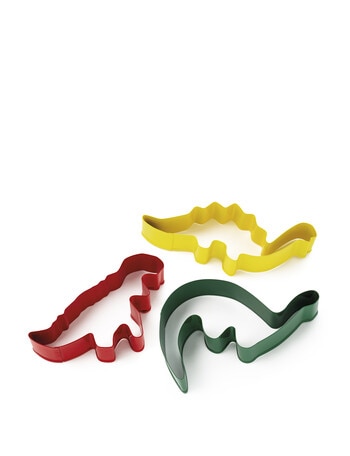
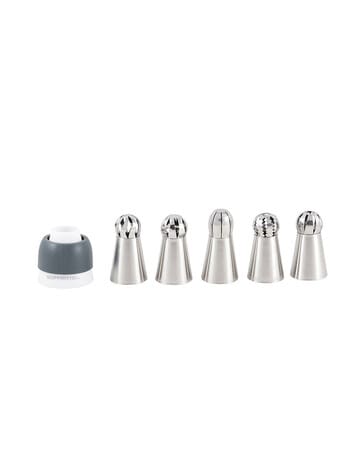
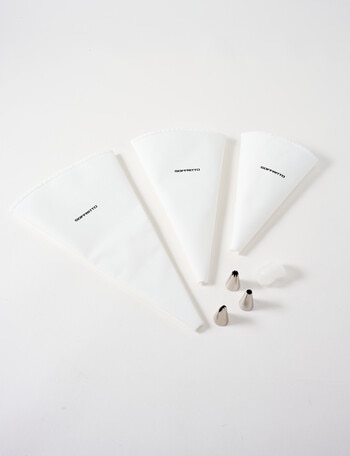
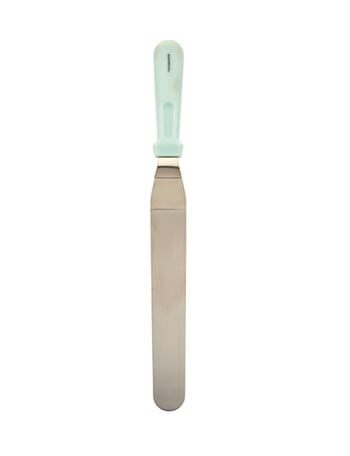
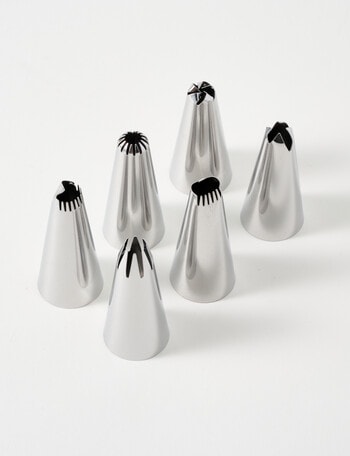
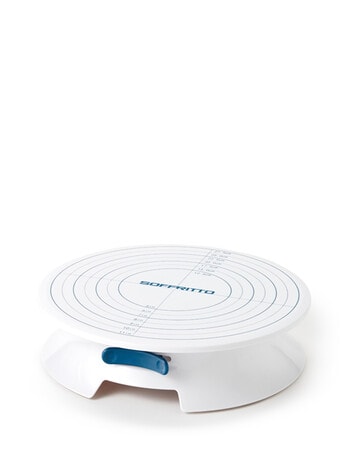
The final presentation of your sweet treats is managed with equipment engineered for detailed aesthetics. Reusable piping bags, stainless steel nozzles, offset spatulas, and accurate pastry cutters allow for a controlled approach to decorating cakes, biscuits, and pastries. These tools make it easy to achieve professional-looking results for those who enjoy the creative artistry of baking.
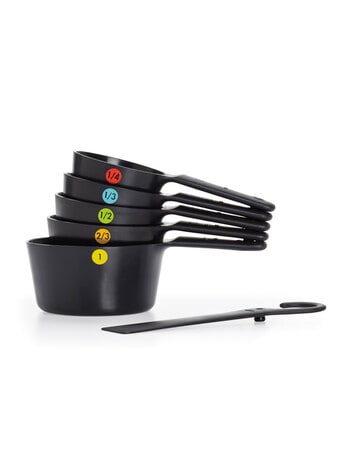
Successful baking is a precise science tied to the absolute accuracy of your preparation phase. Specialised accessories like heavy-duty measuring spoons, nested measuring cups, and flour sifters ensure that foundational dry and wet mixtures remain completely consistent. Having these tools ready allows for a highly predictable rising and baking process in the oven.
What are the essential tools for someone starting to bake?
A foundational home baking set typically includes an array of precise measuring tools (cups and spoons), a robust stainless steel whisk, and flexible silicone spatulas for folding. As your baking routine becomes more frequent, adding structural cooling racks, rolling pins, and sifting accessories will help you manage complex recipes cleanly.
How do I choose between silicone and metal baking utensils?
The choice depends on the surface material of your primary mixing bowls and baking tins. Silicone and nylon tools are highly recommended for use with non-stick coatings because they slide over surfaces without causing abrasive wear. Stainless steel tools are better suited for heavy mixing, accurate dough handling, or high-tensile whisking.
Are these baking accessories safe for dishwasher use?
Many modern kitchen tools made from solid silicone, nylon, or stainless steel are fully suited to dishwasher cleaning. However, for baking tools featuring spring mechanisms, fine mesh sieves, or natural wooden components (like traditional rolling pins), hand-washing in mild detergent is strongly suggested to preserve their structural properties over time.
What is the best way to store multiple small baking accessories?
To keep a busy kitchen organised, it is common practice to utilise dedicated utility crocks, drawer dividers, or hanging hooks for smaller components like measuring sets and cookie cutters. Keeping your core preparation tools within arms reach of your main countertop workspace dramatically improves tracking and overall efficiency.