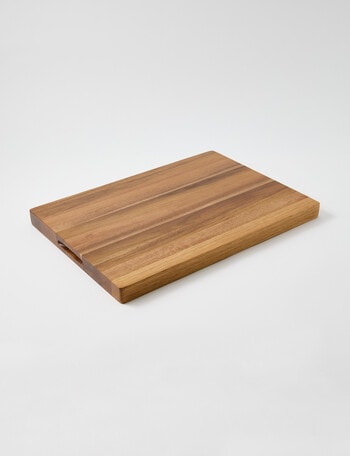
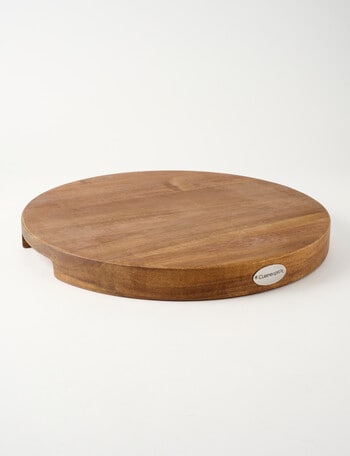
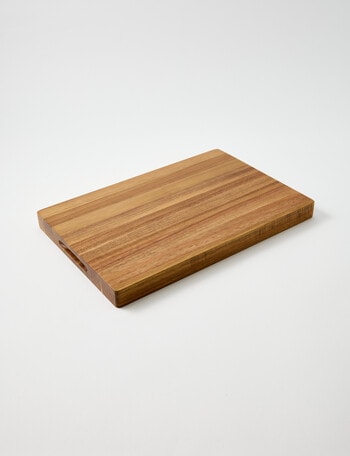
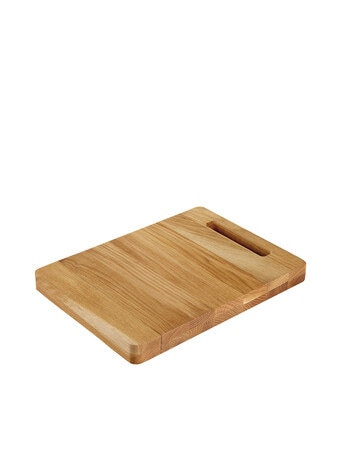
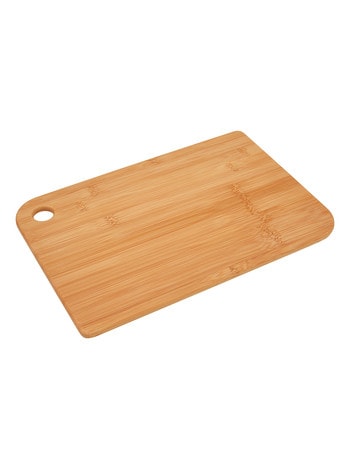
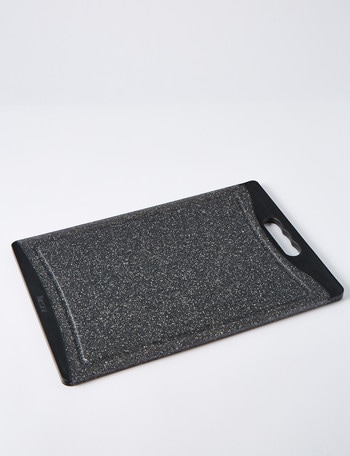
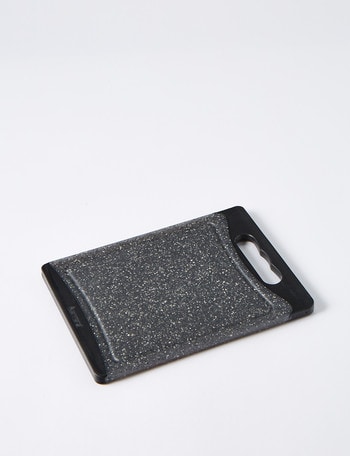
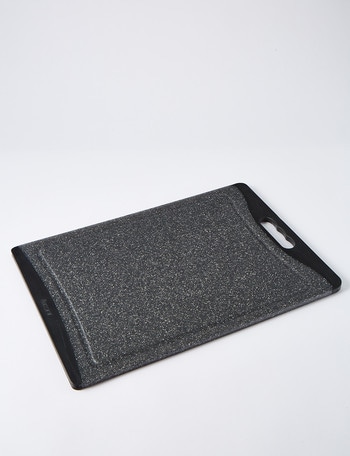
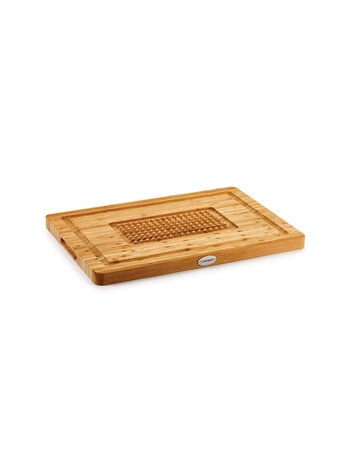
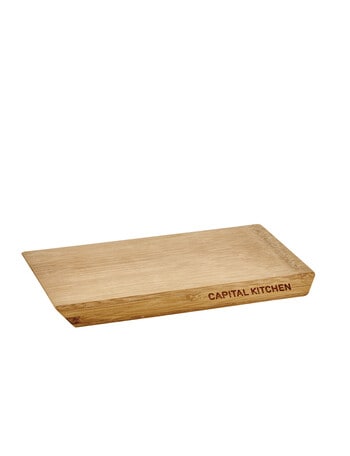
The foundation of a safe preparation station is a reliable chopping board that protects both your kitchen surfaces and your knife blades. At Farmers NZ, our collection features innovative designs from leading brands like Joseph Joseph, offering a variety of materials and formats to suit your culinary needs. From natural bamboo chopping boards to multi-piece nesting sets, these essentials provide a stable area for every cutting task.
Modern chopping boards are built to handle frequent daily use while remaining easy to clean and store. Whether you prefer the natural durability of the Joseph Joseph Cut & Carve bamboo range or the lightweight convenience of synthetic nesting boards, selecting hardware that aligns with your routine is a common priority. Most designs prioritise stability and hygiene, ensuring your food preparation remains safe and organised.
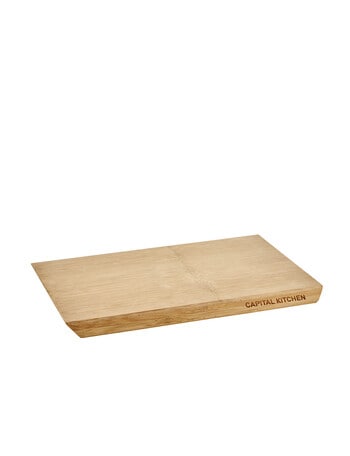
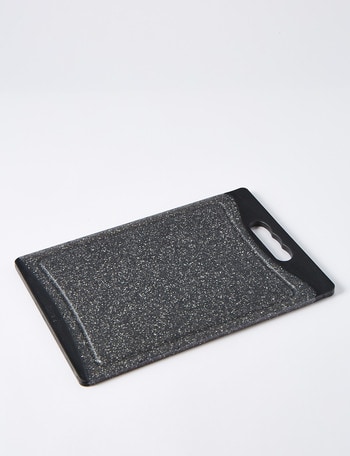
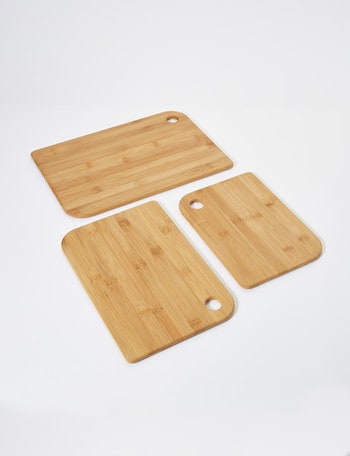
The choice of material often depends on the type of ingredients being handled and your preferred maintenance routine. Bamboo chopping boards are frequently selected for their durability and "self-healing" properties, which help preserve the edge of your knives over time. Alternatively, synthetic and plastic boards are commonly chosen for their non-porous surfaces and dishwasher safety, providing a practical solution for managing raw meats and poultry.
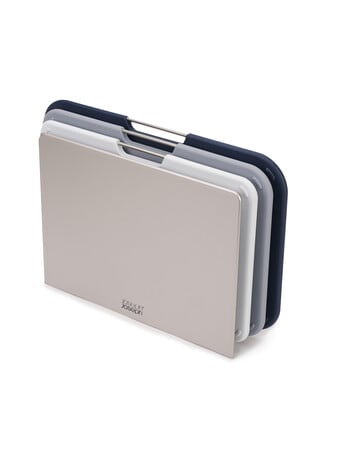
Maintaining a high standard of kitchen hygiene is supported by using dedicated boards for different food groups. The Joseph Joseph Nest series provides an organised solution, featuring colour-coded boards that store neatly in a compact stand. This nesting design occupies minimal space on your countertop while keeping your essential surfaces within easy reach, effectively preventing flavour crossover and cross-contamination during meal prep.
Is it better to use a bamboo or a plastic chopping board?
Both materials offer distinct advantages. Bamboo is frequently preferred for its sustainability and for being kind to knife blades, making it suited to vegetable prep. Plastic or synthetic boards, like those in the Joseph Joseph Nest sets, are often preferred for meat because they can be sanitised at high temperatures in a dishwasher. Many households find that a combination of both provides the best utility.
How do I maintain and clean a bamboo chopping board?
To maintain the integrity of a bamboo board, hand-washing with warm, soapy water is the most frequent recommendation. It is a common practice to apply a food-safe mineral oil periodically to prevent the material from drying out or cracking. Avoiding dishwasher use is essential for preventing warping and ensuring your Joseph Joseph bamboo boards remain a reliable part of your kitchen for years.
When should I replace my chopping board?
A board is typically replaced once it shows significant signs of wear, such as deep grooves or warping. Deep cuts can trap food particles and moisture, making the surface more difficult to sanitise effectively. Regularly inspecting your chopping boards ensures that your preparation area remains safe and hygienic for daily meal assembly.
What are the benefits of a nesting board set?
A nesting set, such as the 3-piece or 4-piece Joseph Joseph Nest range, allows for easy organisation and access. These sets are intended for busy kitchens where countertop space is at a premium. The inclusion of a stand ensures air can circulate between the boards, promoting faster drying and better hygiene compared to stacking wet boards together.