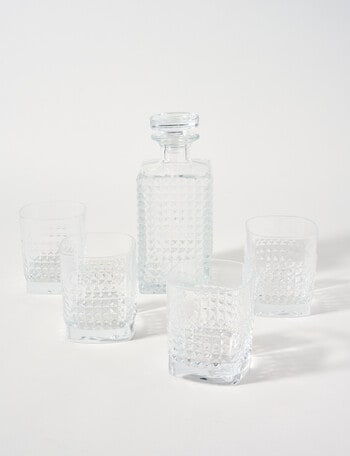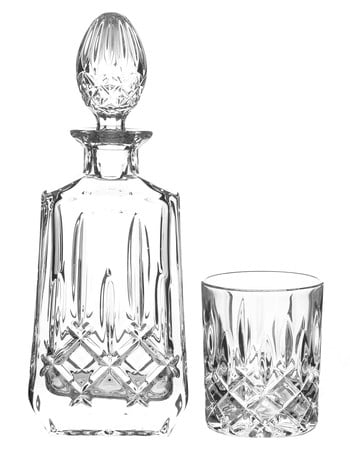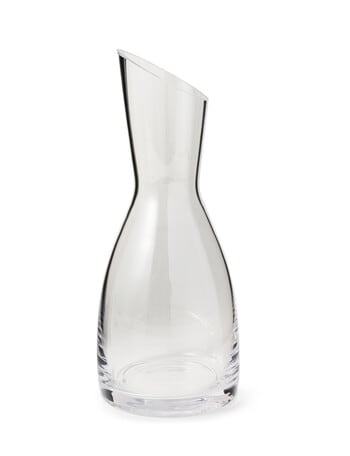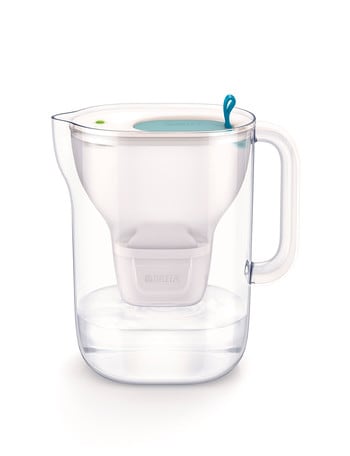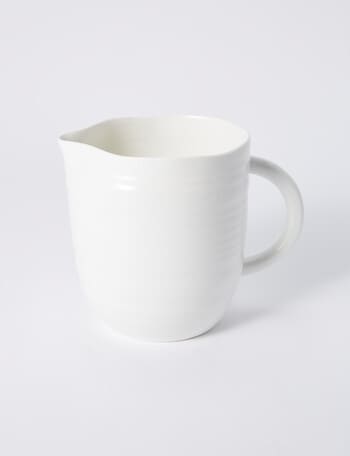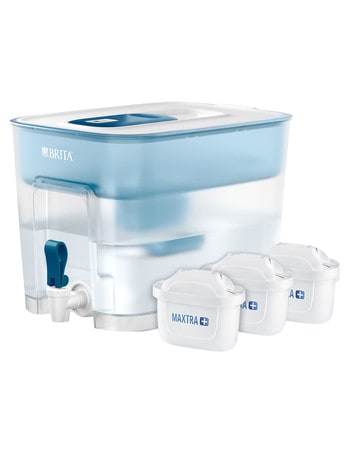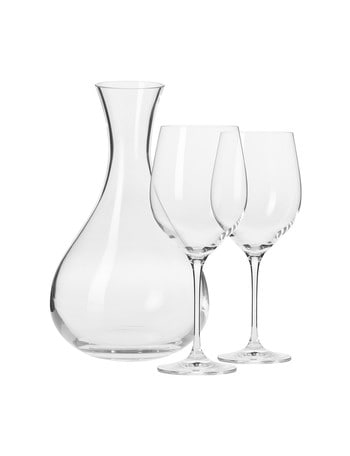


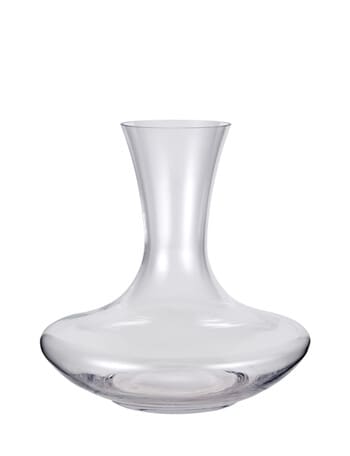
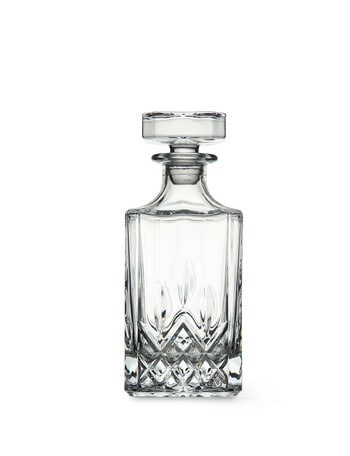
The transition from a bottle or preparation container to the dining table is often managed using specialised serving items. Jugs and carafes provide a practical way to serve water, juices, and other cold refreshments, while decanters are commonly used to allow wines to breathe before consumption. These pieces are intended to improve the flow of a meal by providing a central source of hydration that is easy to handle and pour.
Modern servingware is built to balance elegant proportions with the weight required for stability on the table. Having a selection of these items ensures that the appropriate volume is available for everything from individual bedside use to large-scale family lunches. These designs are frequently chosen for their clarity and ergonomic features, providing a cohesive look when used alongside coordinated glassware collections.
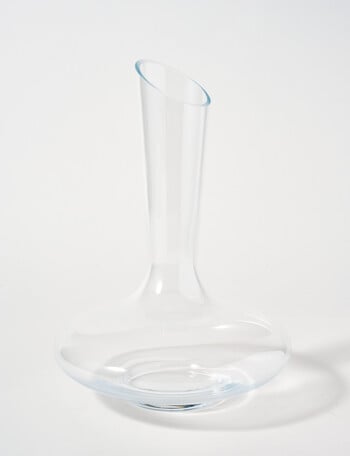
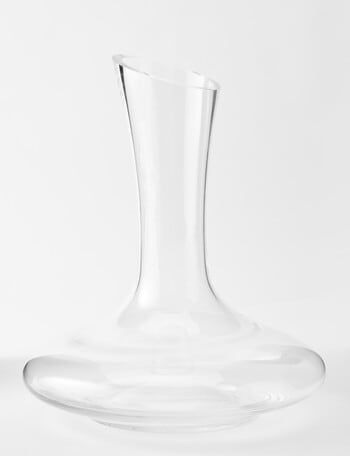
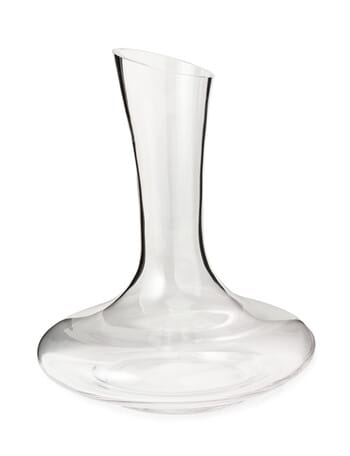
Using a decanter is a common technique for separating aged wines from sediment or for aerating younger, bolder varieties. The wide base of a decanter is designed to maximise the surface area of the wine, allowing it to interact with oxygen and soften its flavour profile. This process is often prioritised for red wines that benefit from time to "open up" before being poured into individual glasses.
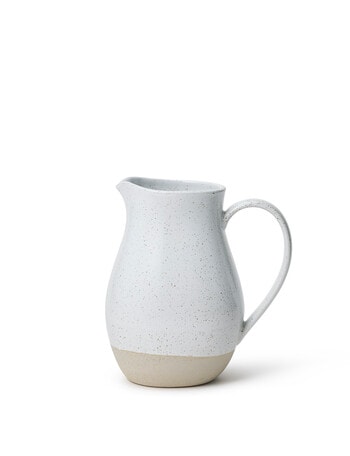
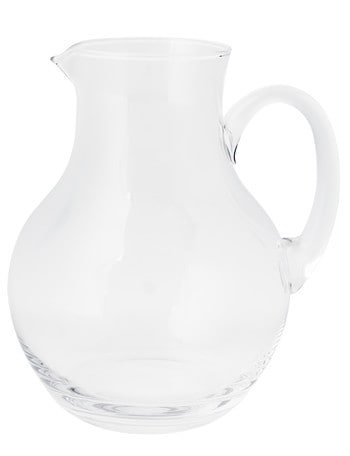
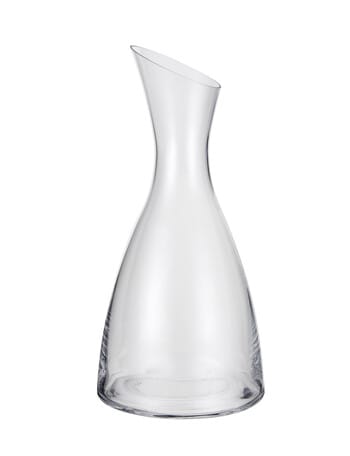
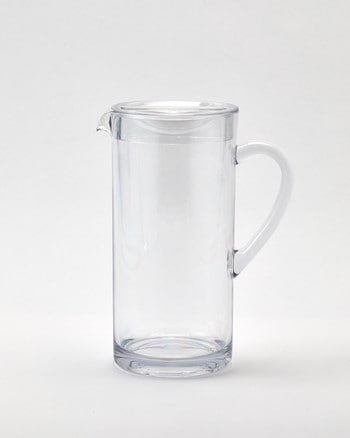
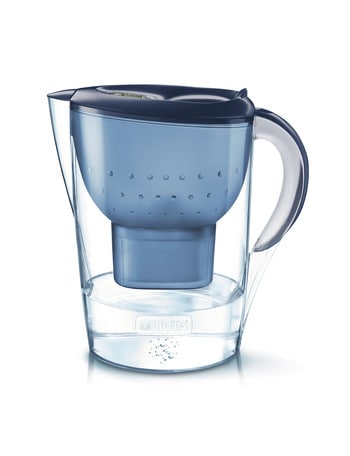
For everyday use, jugs and carafes offer a functional solution for keeping beverages accessible. Jugs frequently feature handles and pouring lips for precise control, making them suited to serving milk or larger quantities of water during a meal. Carafes often have a more streamlined, narrow-necked design, which is commonly used for individual water service or for presenting chilled white wines in a domestic setting.
How do I choose between a glass jug and a ceramic one?
Glass jugs are frequently preferred for their transparency, allowing guests to see the contents and any garnishes like ice or citrus. Ceramic options are often chosen for their natural insulating properties, which can help keep liquids cooler for longer. The choice typically depends on whether you prioritise visual presentation or thermal retention during service.
What is the best way to clean a narrow-necked decanter?
Cleaning a decanter often requires a specialised approach due to its unique shape. It is a common practice to use warm water and mild detergent shortly after use. For stubborn marks at the base, specialised cleaning beads or a flexible brush are frequently suggested to reach the interior surfaces without affecting the clarity of the glass.
Do carafes always require a lid?
While many carafes are open-topped for easy pouring, some designs include lids or stoppers intended to protect the contents from dust or to help maintain the temperature. Using a lid is commonly suggested if the carafe is being kept on a bedside table or used outdoors, providing an extra layer of protection for the beverage.
Can I use a wine decanter for other types of drinks?
Yes, decanters can be used as elegant serving pieces for water, iced tea, or infused spirits. Their refined silhouettes make them a versatile addition to a dinner table, though it is important to ensure they are cleaned thoroughly to prevent any flavour transfer between different types of beverages.