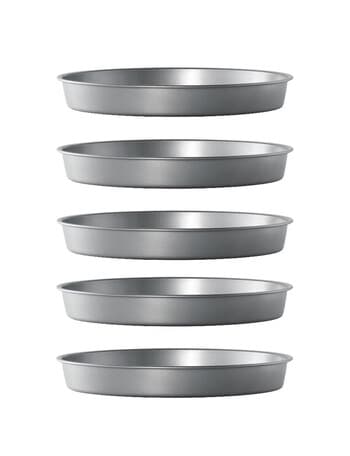
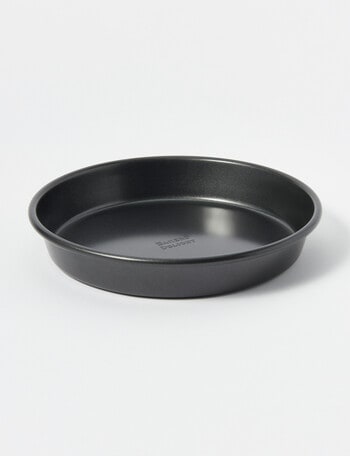

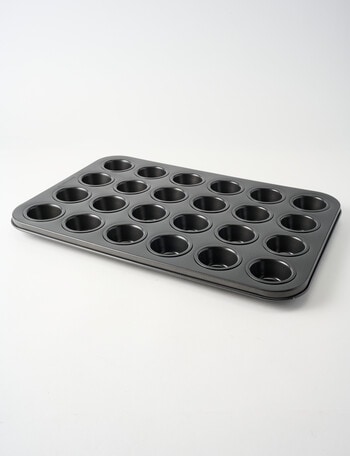
Successful baking relies on the transition from careful preparation to the application of steady oven heat. At Farmers NZ, our cake and muffin tins collection features durable solutions from trusted brands like Bakers Delight, Stevens, and Soffritto, ensuring your batters are structurally supported during the rising and setting process. From everyday muffin trays to advanced layered cake setups, our range provides a performance-focused foundation for your kitchen bench.
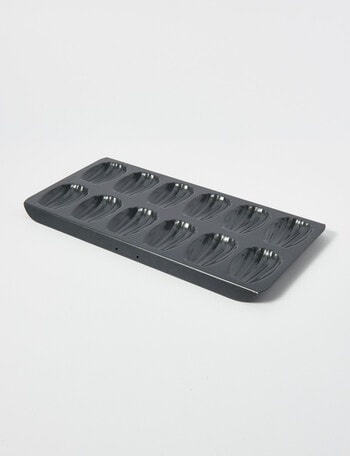
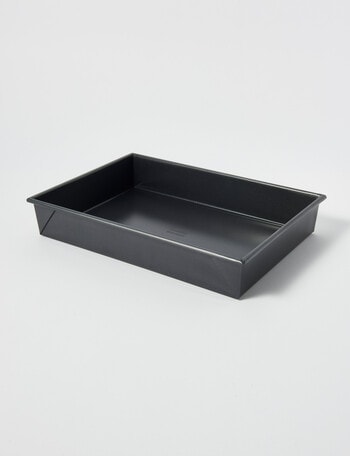
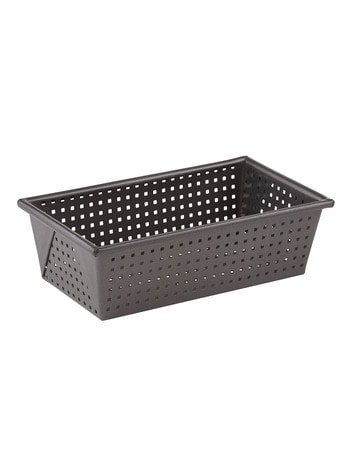
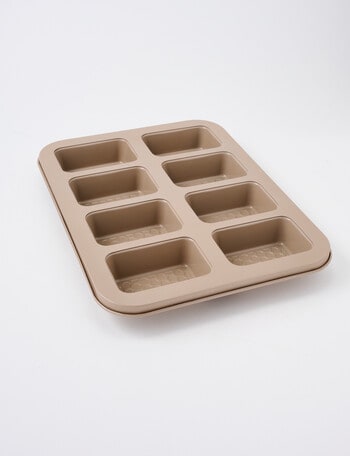
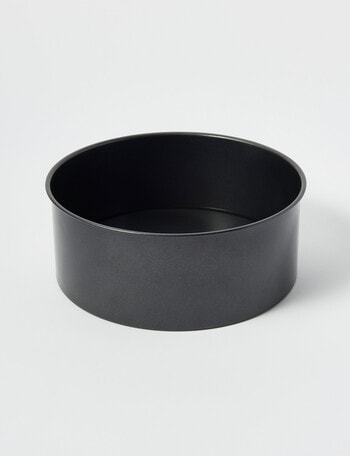
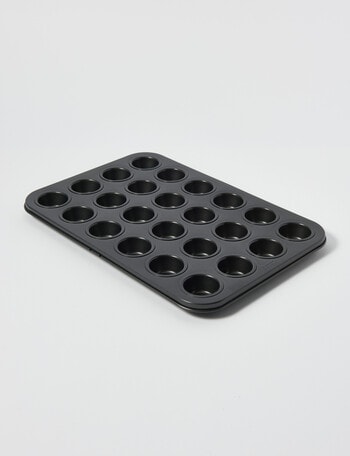
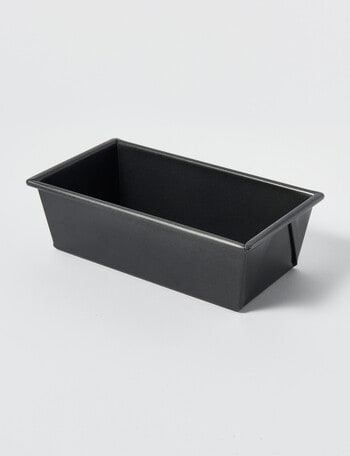
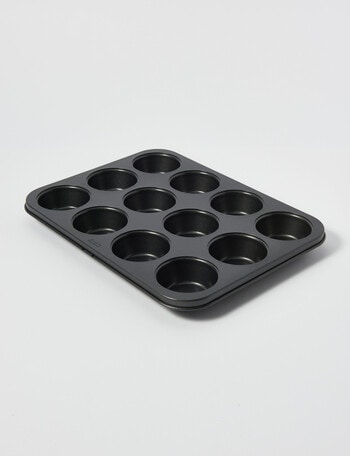
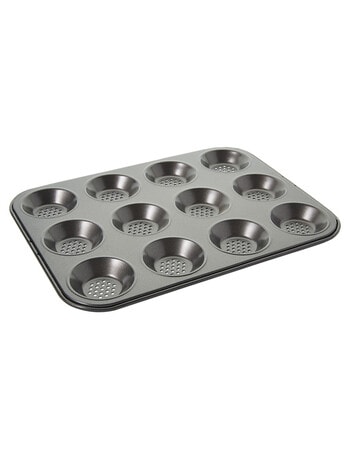
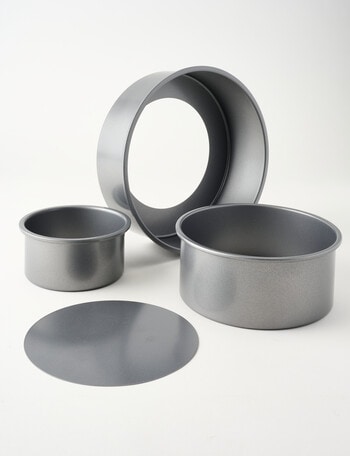
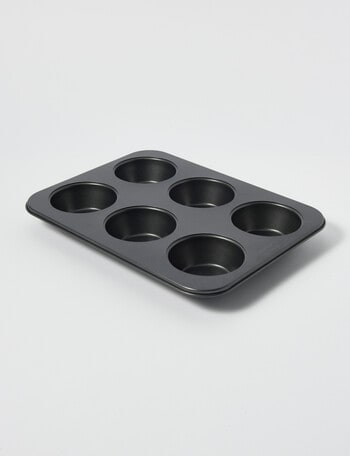
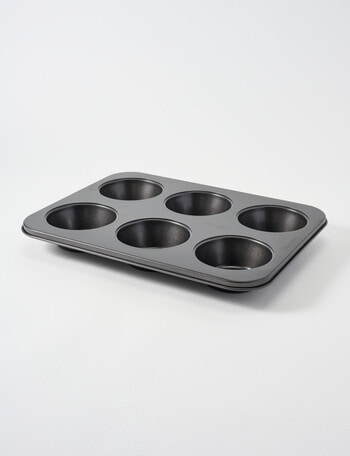
The choice of a baking tin often depends on your intended portion size and the specific requirements of your batter consistency. The Bakers Delight range offers a versatile selection of rectangular slice pans, individual loaf pans, and classic muffin pans in both 6-cup and 12-cup configurations. For specialised occasions, the collection includes traditional French madeleine pans and multi-size springform tins, ensuring clean, intact edges for delicate sponges.
Material characteristics and surface engineering play a massive role in achieving uniform browning and clean cake removal. Understanding your material options gives you better control over your bakes:
Preserving the lifespan of your baking surfaces requires following targeted care steps to prevent abrasive wear. Most modern muffin trays and loose-base pans incorporate advanced non-stick layers intended to limit grease requirements. Transferring your finished items onto a dedicated cooling rack shortly after baking is a highly recommended strategy to stop steam from pooling on the base of your cakes, preserving a crisp exterior crumb.
What is the main benefit of a springform pan over a standard cake tin?
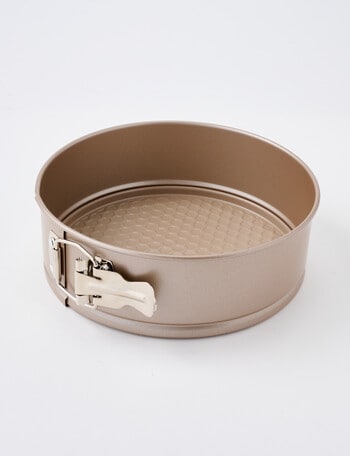
A springform pan features an adjustable outer ring controlled by an external latch mechanism. When unlatched, the sides expand and separate completely from the base. This design is highly critical for delicate bakes like cheesecakes, icebox cakes, or fragile tarts that cannot be inverted or flipped upside down to be removed from a traditional deep-sided cake tin.
How does the Stevens Honeycomb texture affect my baking results?
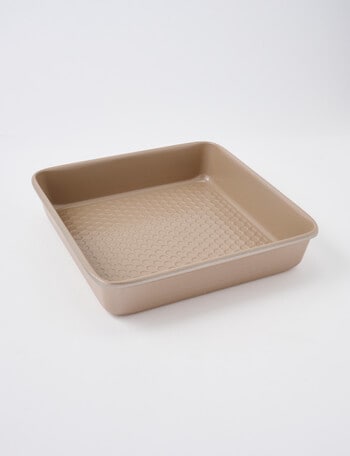
The raised honeycomb surface on the base of Stevens pans creates thousands of tiny air pockets underneath your mixture. This texturing encourages superior hot air circulation across the bottom surface area, preventing frustrating hot spots, ensuring a highly uniform bake profile, and acting as a physical helper for slick food release.
Can I use metal scrapers or knives inside non-stick muffin pans?
No, it is strongly suggested to completely avoid metal knives, forks, or sharp metal scrapers on non-stick coatings. Metal-on-metal contact easily cuts and degrades non-stick surfaces, causing peeling over time. Opt for silicone spatulas, wooden skewers, or nylon tools to gently loosen muffins or cakes from the rim instead.
What is the best way to clean and care for carbon steel cake tins?
To extend the life of your tins, hand-washing with mild dish detergent and a soft sponge is the preferred strategy. While some lines note dishwasher safety, harsh automated cycles can cloud finishes and accelerate the breakdown of loose-base seams. Always ensure your muffin trays and tins are thoroughly dried manually before nesting them away.