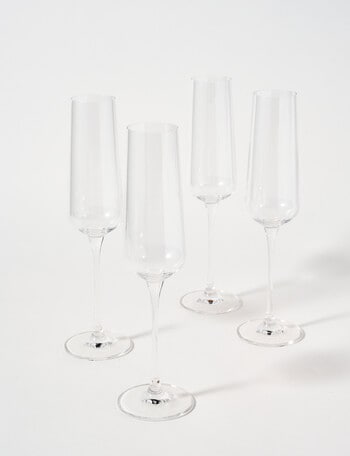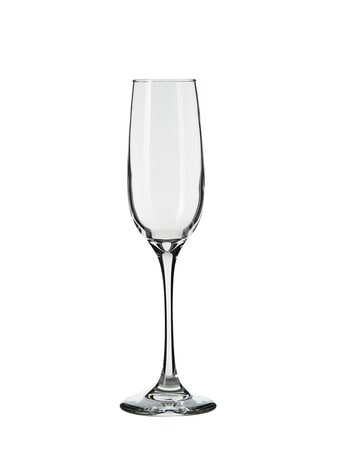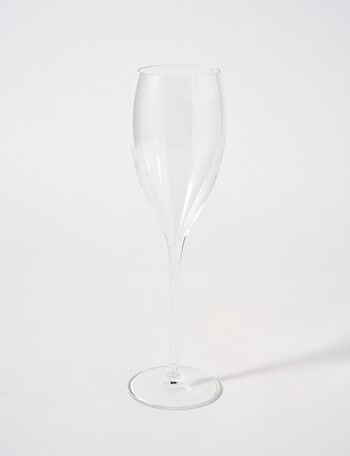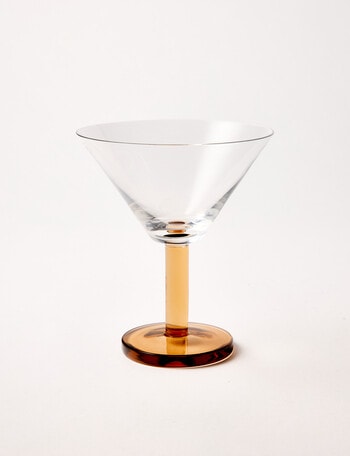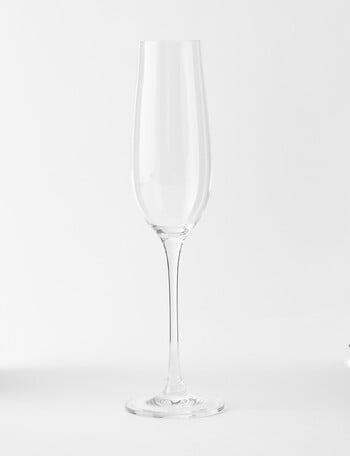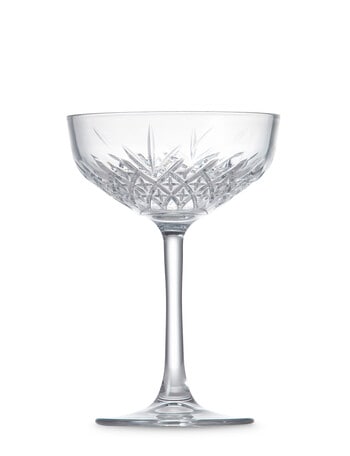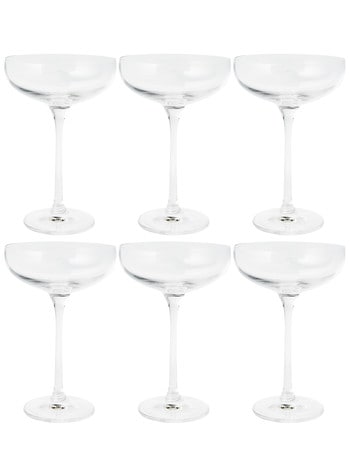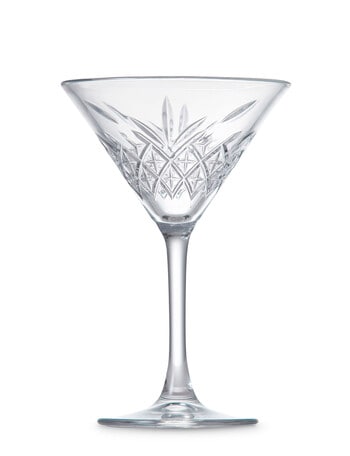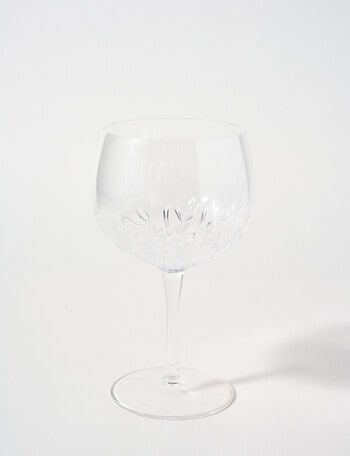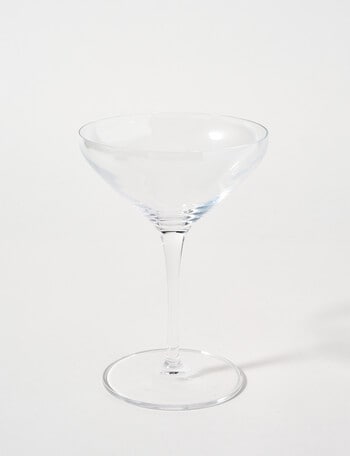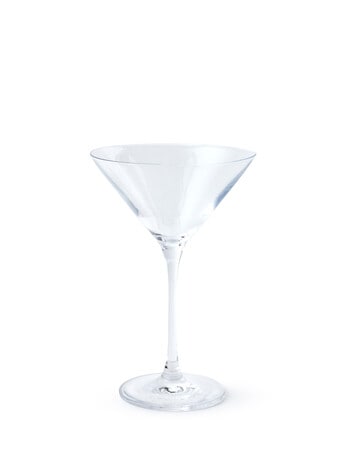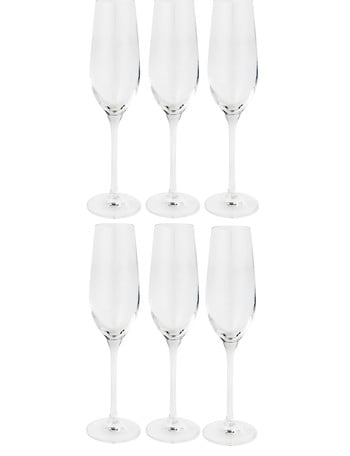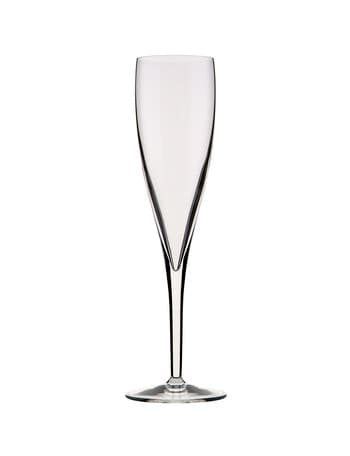

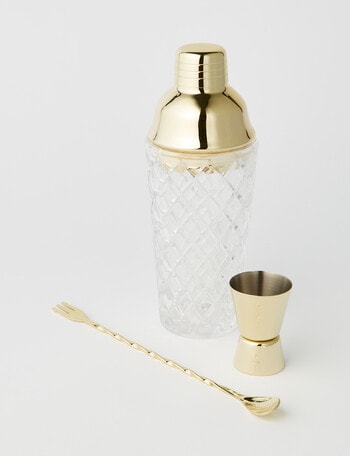
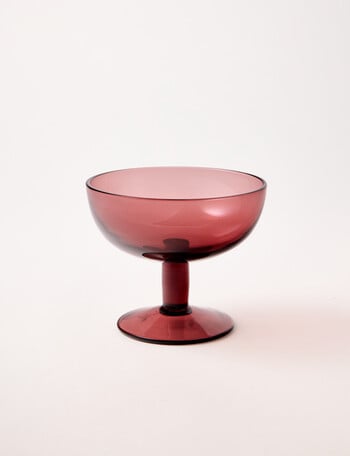
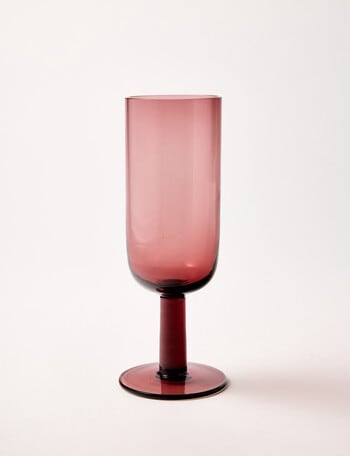
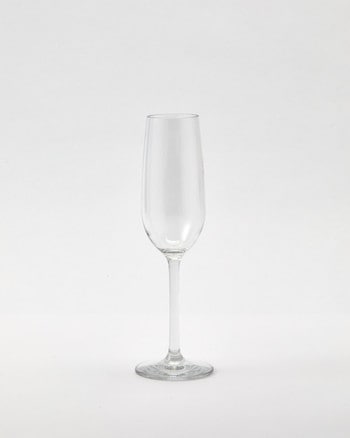

The presentation of sparkling wines and mixed drinks relies on specialised glassware designed to highlight the specific qualities of each beverage. From the narrow profile of a flute intended to preserve carbonation to the wide rim of a coupe suited to aromatic cocktails, the choice of glass influences both the aesthetic and the sensory experience. These items are commonly used for social occasions and celebrations, providing a refined solution for serving a variety of flavours in a domestic setting.
Modern cocktail and champagne glasses are built to balance delicate proportions with the durability required for regular use. Having a selection of shapes ensures that the appropriate glass is ready for specific recipes, whether they require ice, garnishes, or a particular level of aeration. These pieces are designed to complement a broader dinnerware collection, offering a stable and elegant option for hosting guests and marking special events.
Selecting the right glassware for champagne often depends on the desired balance between bubbles and aroma. Flutes are frequently chosen for their ability to maintain a steady stream of carbonation, while tulip-shaped glasses are commonly preferred for vintage varieties to allow more room for scents to develop. Each format is designed to manage the temperature of the drink, with long stems provided to keep the warmth of the hand away from the liquid.
The variety of cocktail glassware supports a wide range of mixology techniques. Iconic martini glasses and coupes are intended for "up" drinks served without ice, providing a sophisticated silhouette for chilled mixtures. Larger glasses with more volume are commonly used for cocktails served over ice, ensuring there is enough space for garnishes and mixers. Selecting a range of these styles allows for a versatile home bar setup that can accommodate diverse recipes.
What is the difference between a champagne flute and a coupe?
A flute is tall and narrow, designed to keep sparkling wine bubbly for longer by minimising the surface area. A coupe features a shallow, wide bowl and is frequently used for cocktails or for a more vintage-style champagne service. The choice often depends on whether you prioritise the longevity of the bubbles or the traditional aesthetic of the serve.
Are these glasses suited to the dishwasher?
Many modern champagne and cocktail glasses are made from strengthened glass that is suited to a gentle dishwasher cycle. However, for glasses with particularly long or delicate stems, hand-washing is often suggested to prevent breakage during the mechanical cycle. Ensuring they are placed securely in the rack can also help maintain their clarity and integrity.
How many glasses should I have for a standard cocktail set?
It is a common practice to keep sets of four or six, matching the typical number of guests for a social gathering. Having a versatile set of coupes is often recommended as a starting point, as they can be used for both champagne and various cocktails, providing a multi-functional solution for those with limited storage space.
What is the best way to polish glassware for a streak-free finish?
To maintain the brilliance of celebration glassware, rinsing with warm water and drying immediately with a lint-free microfibre cloth is a frequent technique. Holding the glass by the base or stem rather than the bowl while polishing helps prevent fingerprints, ensuring the glasses are ready for presentation at any time.