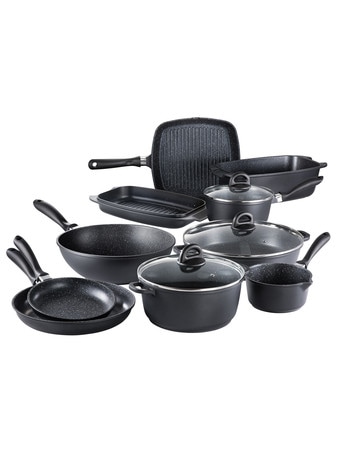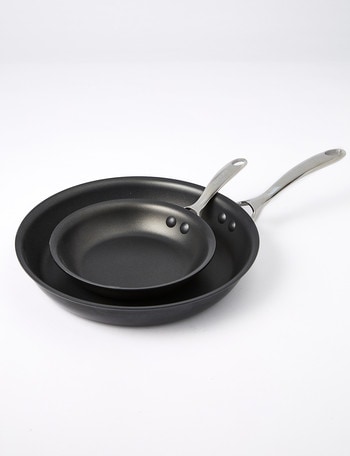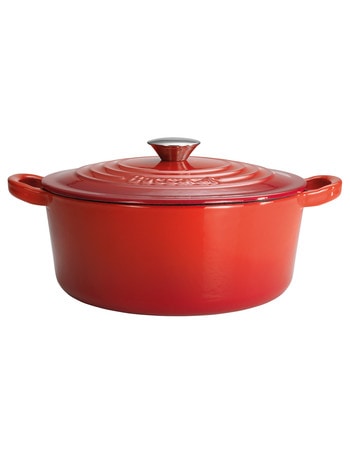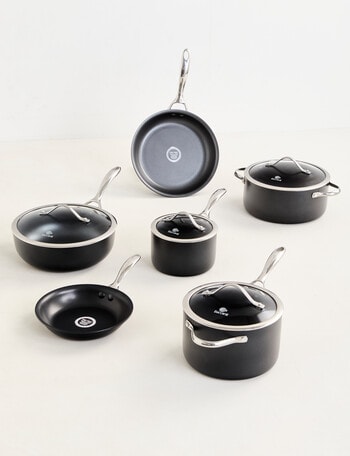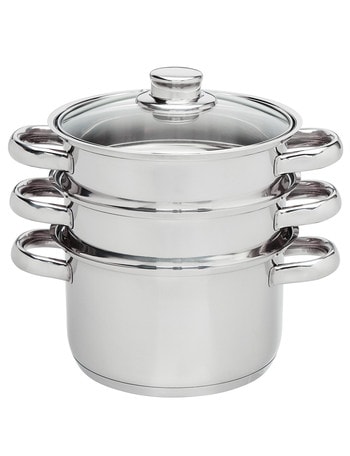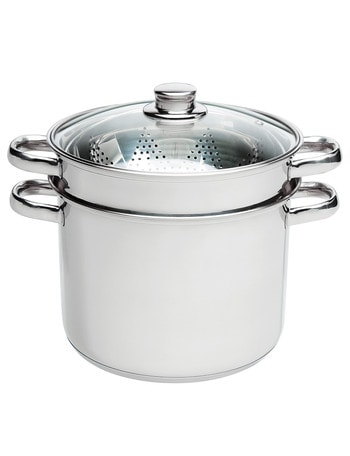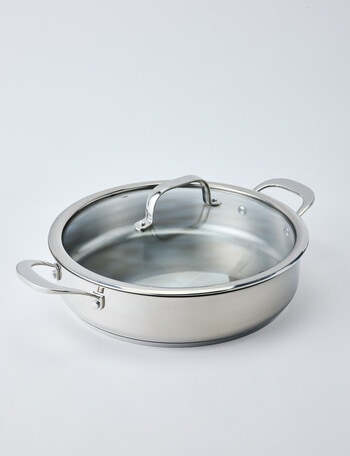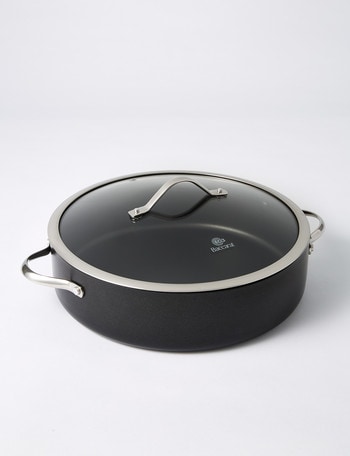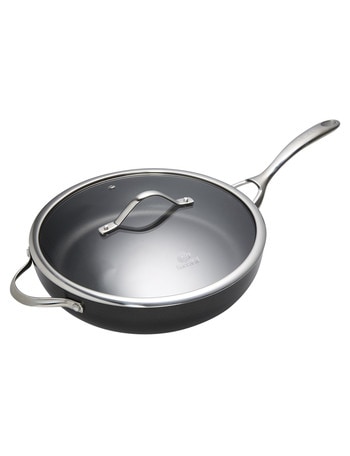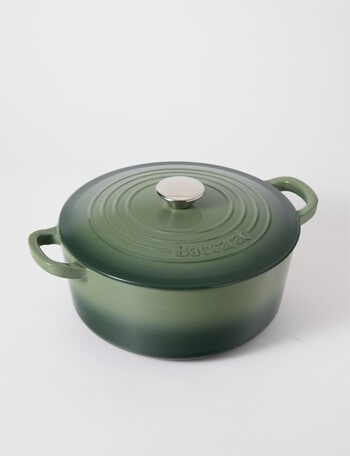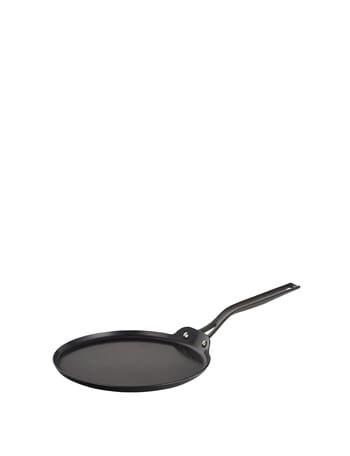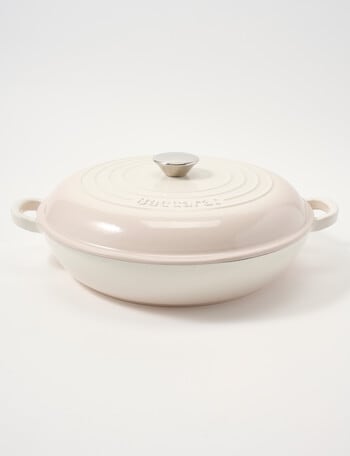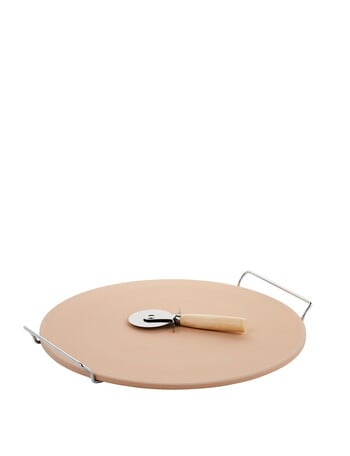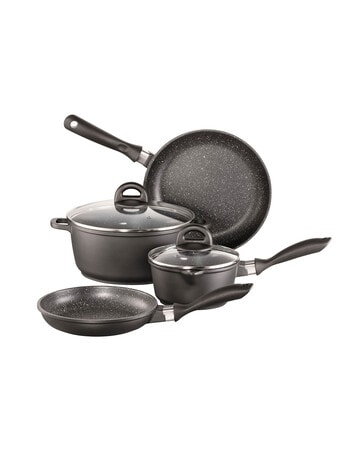
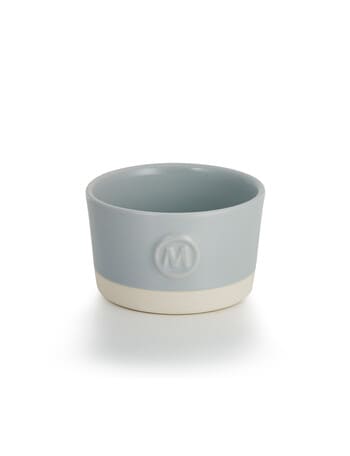
Effective meal preparation begins with selecting the right vessel for the task. At Farmers NZ, our cookware collection features brands including Le Creuset, Baccarat, and SouthWest, designed to meet the demands of the home cook. From high-heat searing in fry and grill pans to slow-simmering in enamelled cast iron, our range provides a durable and performance-focused foundation for every recipe.
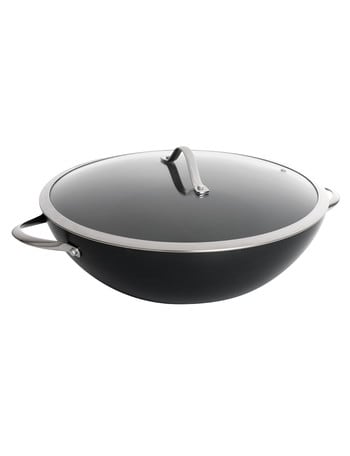
The choice of cookware often depends on the scale of the meal and the heat source being used. Whether you are looking for a complete cookware set to outfit a new kitchen or a specialty wok for high-heat stir-frying, these premium items are built to withstand daily use.
Cookware materials are chosen based on their thermal properties and ease of maintenance. Discover a variety of materials intended to provide even heat distribution across various stovetops and ovens:
Stovetop cooking requires vessels that can manage direct heat effectively. Pots and pans are essential for tasks like boiling, simmering, and reduction, while fry and grill pans are designed for rapid searing and browning. For meals that transition from the hob to the oven, Le Creuset cast iron and Baccarat iD3 hard anodised pieces offer the necessary thermal stability. Having a versatile range of ovenware and stovetop pieces ensures you can manage diverse cooking styles with ease.
A coordinated cookware set provides a foundational range of sizes for common kitchen tasks, making it an efficient choice for establishing a new home. Alternatively, selecting individual items allows for a tailored approach, such as adding a SouthWest pre-seasoned skillet or a Baccarat specialty saute pan to your existing inventory. This flexibility ensures you have the appropriate hardware for everything from simple everyday meals to complex culinary dishes.
Is Le Creuset cast iron compatible with induction stovetops?
Yes, Le Creuset enamelled cast iron is naturally magnetic, making it fully compatible with induction hobs as well as gas and electric stovetops. It is a common practice to check the base of any Baccarat or SouthWest item for the induction symbol to ensure it will work with your specific kitchen setup.
What is the benefit of hard anodised cookware?
Hard anodised cookware, such as the Baccarat iD3 range, is treated to be exceptionally hard and resistant to abrasion. This material provides the heat conductivity of aluminium with a surface that is twice as hard as stainless steel, ensuring it does not react with acidic foods and remains easy to clean after intensive use.
How do I maintain my cookware for longevity?
To maintain the finish and non-stick properties of your pots and pans, hand-washing with mild detergent is the most frequent recommendation. While some Le Creuset and stainless steel items are technically dishwasher safe, regular hand-washing is often preferred to preserve the exterior glaze and interior surface over long-term daily use. Cast iron should always be dried thoroughly before storage.
When should I use a wok instead of a standard fry pan?
A wok is designed with high, sloping sides that allow for rapid tossing and constant movement of ingredients, which is essential for authentic stir-frying. A fry pan has a larger flat surface area, making it better for tasks that require direct contact and steady heat, such as searing steaks or cooking omelettes.