Maintaining the performance and safety of your cutting tools relies on a dedicated selection of maintenance accessories. At Farmers NZ, our collection includes professional-grade Baccarat iD3 tools, from 3-step knife sharpeners to magnetic knife holders. Having these items available ensures that your blades remain precise and efficient, reducing the effort required during preparation and extending the life of your kitchen inventory.
Modern accessories are built to provide a straightforward solution for keeping blades in peak condition. Whether using a double-sided sharpening stone for a professional edge restoration or a magnetic acacia knife holder for secure storage, these tools are intended to integrate easily into your kitchen routine. Most designs prioritise safety and durability, providing a stable and reliable way to manage the upkeep of your essential preparation hardware.
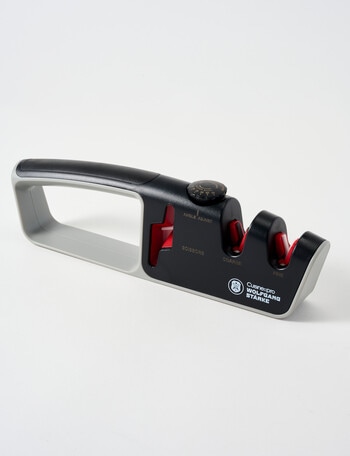
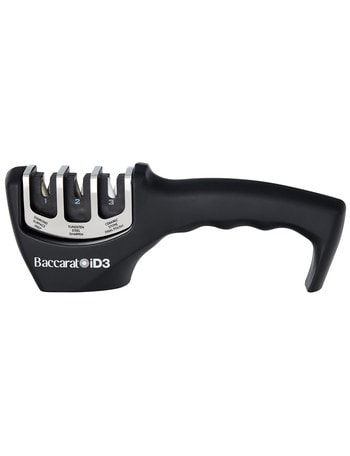
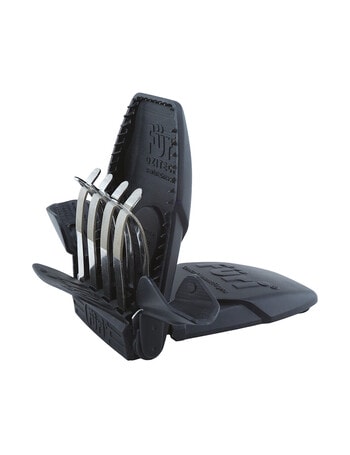
Successful blade maintenance involves regular sharpening to restore a dull edge. The Baccarat iD3 3-step knife sharpener provides a convenient, multi-stage process that includes diamond, tungsten, and ceramic wheels to coarse-grind, sharpen, and hone the blade. This manual solution is a frequent choice for its ease of use, allowing you to maintain a consistent cutting angle and professional results with minimal effort.
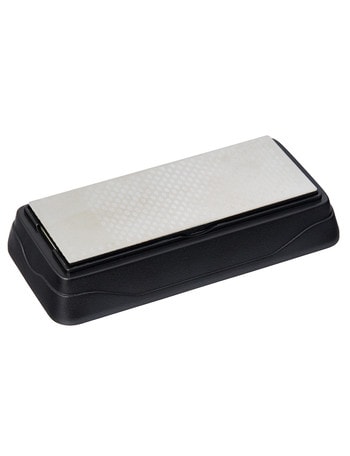
For those seeking more control over the edge of their blades, a double-sided knife sharpening stone is a common recommendation. These stones feature different grit levels—one side for repairing the edge and the other for fine polishing and finishing. Using a Baccarat iD3 sharpening stone allows for a tailored sharpening experience, ensuring that your high-carbon stainless steel knives remain in peak condition for precision slicing and dicing.
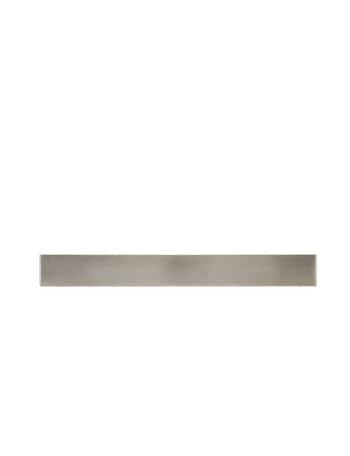
Protecting the edge of a knife while it is not in use is a priority for both safety and longevity. The Baccarat iD3 magnetic acacia knife holder offers a versatile and space-saving solution for organising your tools. By mounting your knives on a magnetic strip, you prevent the blades from knocking against other utensils, which is a common cause of nicks. The use of natural acacia wood ensures that the holder is both robust and gentle on the blade surfaces.
What is the benefit of a 3-step knife sharpener?
A 3-step sharpener, like the one from the Baccarat iD3 range, is designed to take a knife through the entire sharpening cycle. The three distinct stages allow you to repair damaged edges, sharpen the blade to a fine point, and finally polish the edge for a smooth finish. This ensures the knife is safe to use and performs with maximum efficiency.
How do I use a double-sided sharpening stone?
A double-sided sharpening stone typically requires soaking in water before use. You start with the coarser grit side to remove any burrs or nicks from the blade, then flip to the finer side to hone and polish the edge. It is a frequent practice to maintain a consistent angle while sliding the blade across the stone to achieve a professional, razor-sharp finish.
Is a magnetic knife holder safer than a drawer?
Yes, a magnetic acacia knife holder is often considered safer as it keeps the sharp edges visible and out of reach of hands reaching into a cluttered drawer. It also protects the blades from the "clashing" that occurs in drawers, which can cause premature dulling. Storing knives on a magnetic strip ensures they are kept dry and well-organised, maintaining their integrity over time.
Can I use these sharpeners on all types of knives?
While the Baccarat iD3 sharpeners and stones are designed for standard stainless steel blades, it is a common recommendation to check if your knives have specific requirements, such as serrated edges or unique Japanese blade angles. Most straight-edged kitchen knives benefit significantly from regular use of a 3-step manual sharpener or a high-quality stone.