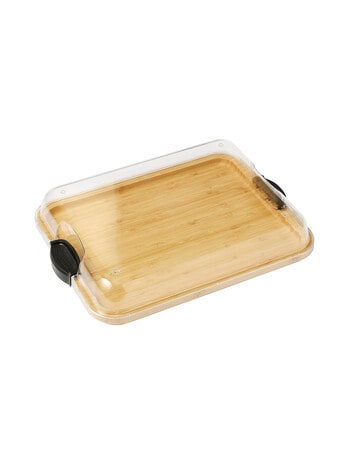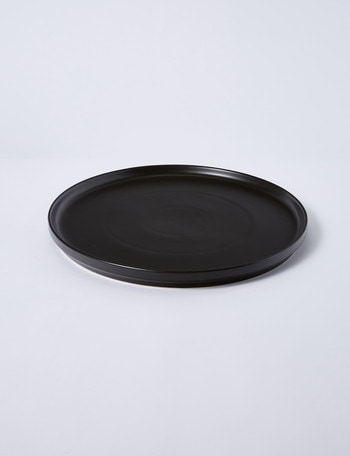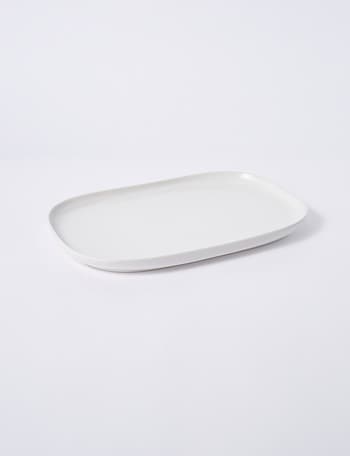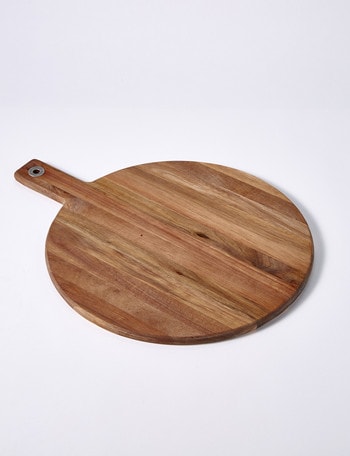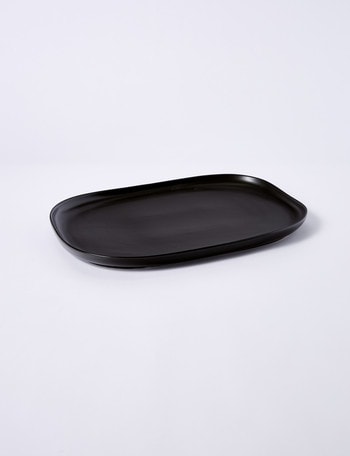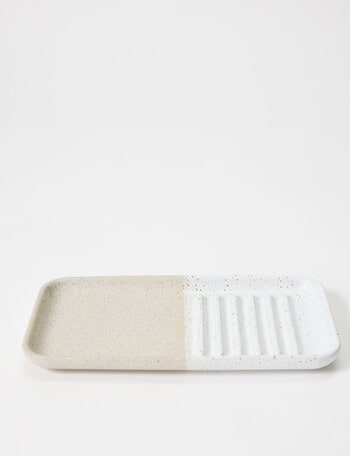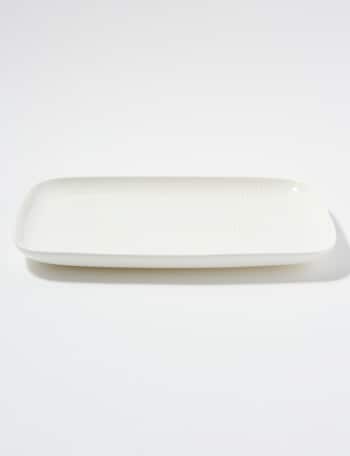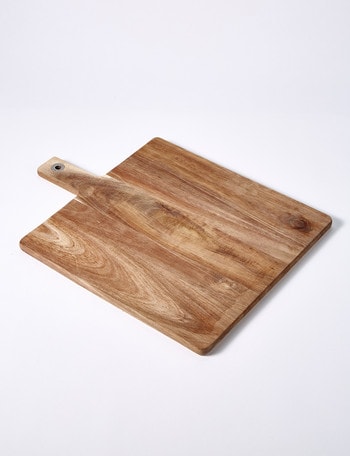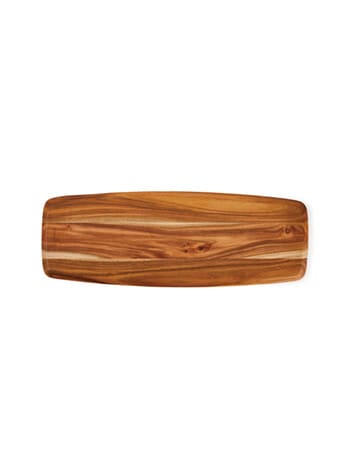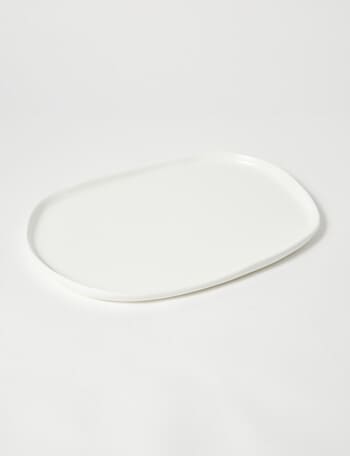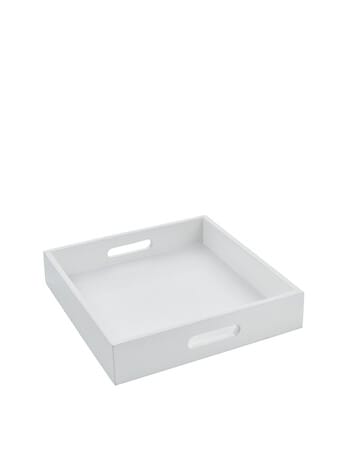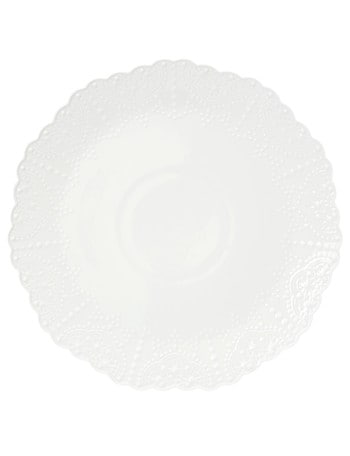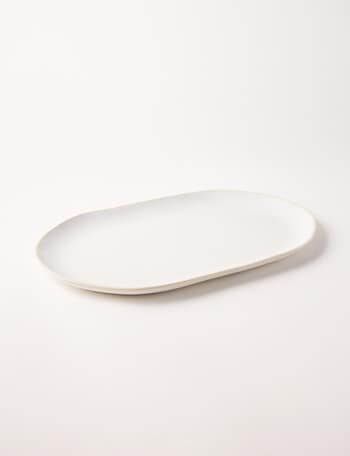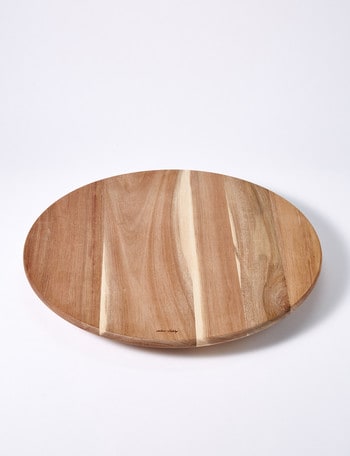
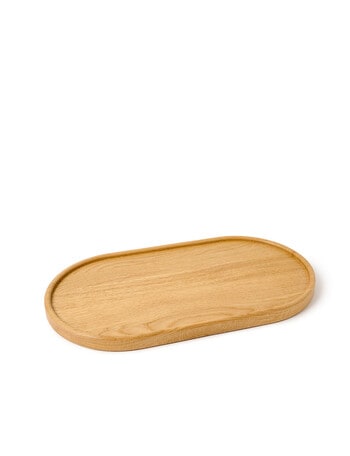
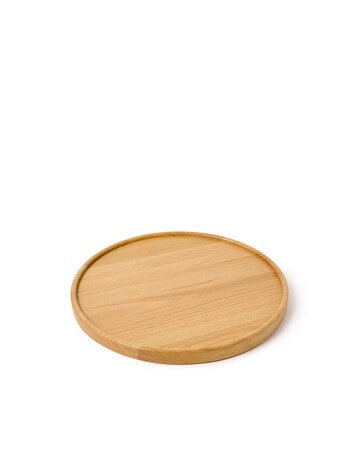
Providing a central surface for shared meals is the primary function of platters and trays. These items are commonly used for presenting main courses, appetisers, and side dishes, allowing for an organised and inviting table arrangement. Whether opting for a large rectangular platter for a roast or a circular tray for drinks and snacks, having a variety of shapes and sizes ensures that the appropriate hardware is ready for any type of social or family dining.
Modern designs focus on durability and ease of handling, with many pieces featuring integrated handles or raised edges to manage contents safely. Most platters and trays are built to complement diverse kitchen styles and are intended for regular use. Available in various materials, from classic porcelain to contemporary timber, these pieces provide a reliable solution for transporting food from the preparation area to the dining table.
The choice of a platter often depends on the scale and format of the food being served. Long, oval platters are frequently selected for whole fish or poultry, providing a stable and spacious base for carving and service. Round trays and platters are commonly preferred for appetizers and finger foods, as they allow for easy access from all sides of the table. Having a mix of these formats provides the flexibility needed to handle a diverse range of culinary presentations.
What is the difference between a serving platter and a tray?
While both are used for presentation, a platter is typically a shallow dish used primarily for food, whereas a tray often features higher sides and is intended for carrying multiple items like glasses, cups, or small bowls. Both pieces are essential for a functional hosting inventory, providing different levels of utility based on the items being served.
Are ceramic platters safe for use in the oven?
Many high-fired ceramic and stoneware platters are oven-safe for warming food. However, it is a common practice to avoid placing a cold platter directly into a hot oven to prevent thermal shock. Always check the manufacturer’s temperature ratings and avoid using platters under a high-heat grill unless specifically marked as suitable for that task.
How do I prevent wooden trays from warping?
To maintain the structure of a wooden tray, it is frequently suggested to avoid soaking it in water or placing it in the dishwasher. Wiping with a damp cloth and drying immediately is a reliable cleaning method. Periodically applying a light coat of food-safe mineral oil helps protect the timber and prevents it from drying out or absorbing moisture from spills.
What is the most versatile size for a serving platter?
A platter between 35cm and 45cm in length is commonly considered the most versatile size for a domestic kitchen. This capacity is large enough to hold a standard family-sized main course while remaining manageable enough to be carried safely and stored in most kitchen cupboards without taking up excessive space.