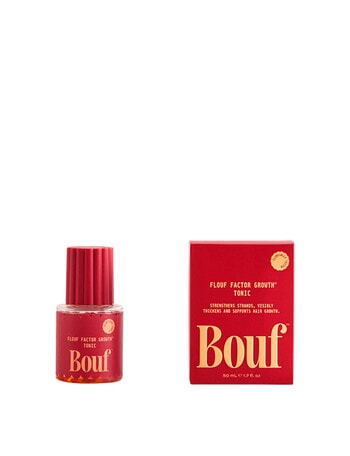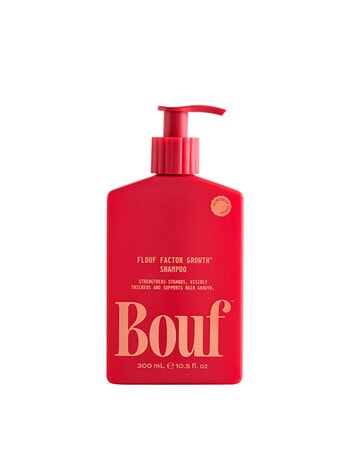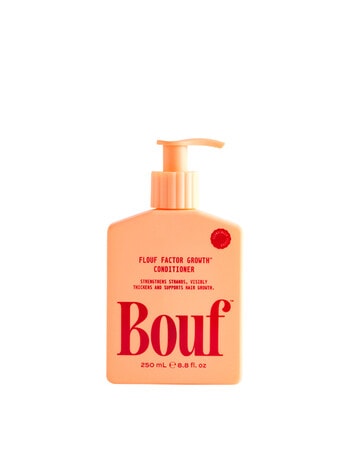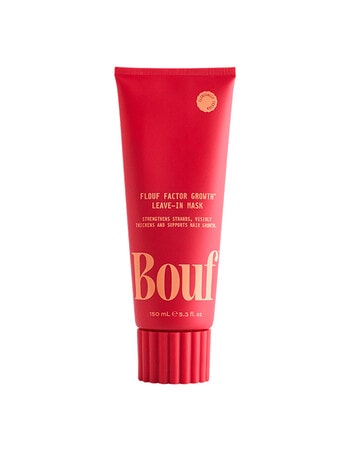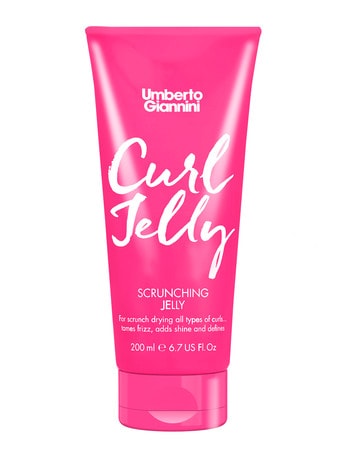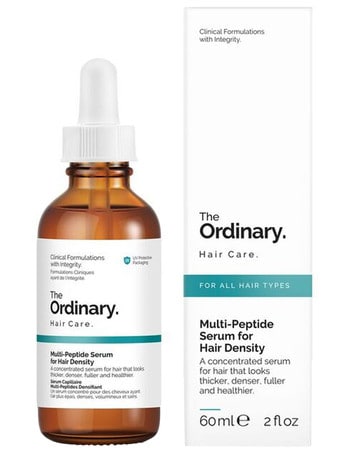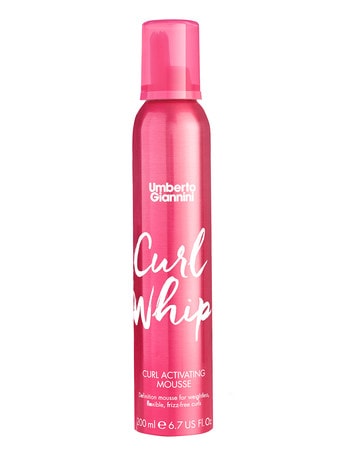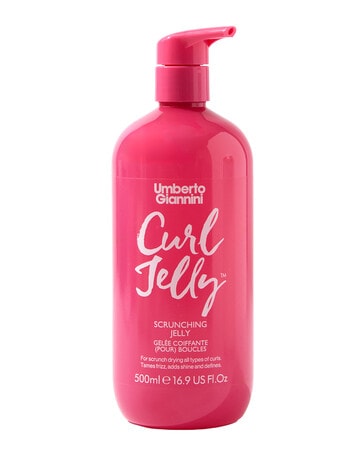


Shop hair products and accessories online at Farmers in New Zealand. Explore shampoo, conditioner, hair treatments and styling products, alongside brushes, combs, clips and colour retouch products. Browse by brand or product type to find the next addition to your hair routine.
Explore hair care for conditioners, masks, leave-in treatments and styling products. You can also browse shampoo, dry shampoo and hair spray to compare those ranges.
Choose hair brushes and combs for your styling routine, and explore hair accessories such as clips, slides, hair ties, scrunchies and headbands. For colour retouch products, visit root touch up and check the shade descriptions and application instructions.
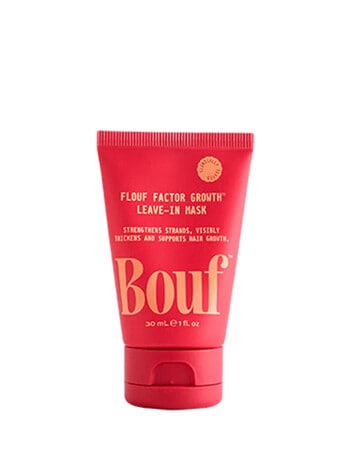
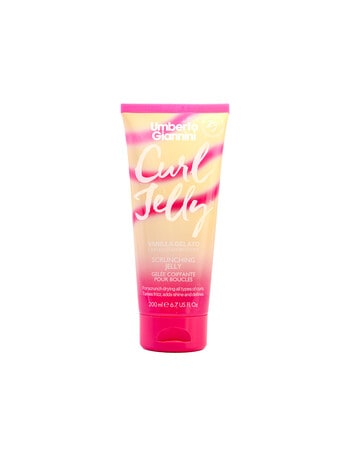
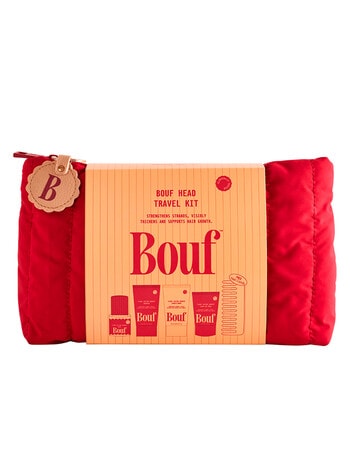
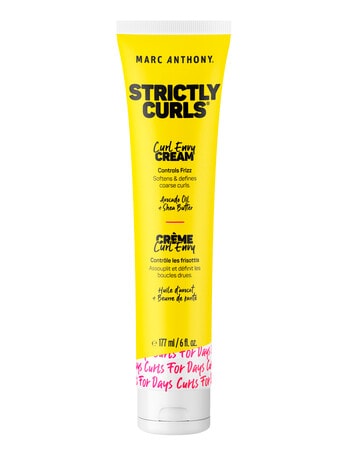
Browse hair care and styling products from Bouf, Marc Anthony and Umberto Giannini. Explore Mae for brushes and hair accessories, and Tangle Teezer for brushes. Use the brand and function filters to narrow your search.
What order should I use hair products in?
For a routine using separate shampoo and rinse-out conditioner,
shampoo first, condition and rinse, then apply leave-in and styling
products as directed. Pre-wash treatments go before shampoo, while
some finishing products are applied after styling. The order depends
on the products you use, so check each product's instructions.
What is the difference between fine hair and thin hair?
Fine hair describes the diameter of individual strands. Thin hair
describes hair density, or how many hairs grow across an area of
the scalp. You can have fine strands and still have a lot of hair,
so strand thickness and density are different characteristics.
What is hair porosity?
Hair porosity describes how easily hair absorbs and retains moisture.
In low-porosity hair, the outer cuticle layers sit more closely
together. Higher-porosity hair has more gaps in this outer layer,
allowing moisture to enter and escape more readily.
How can I reduce hair breakage when styling?
Handle hair gently when drying, detangling and styling. Use a towel
to absorb water without rubbing, avoid pulling hair into tight
styles, and keep heated styling tools on a low setting when you use
them. These habits can help reduce avoidable styling damage.