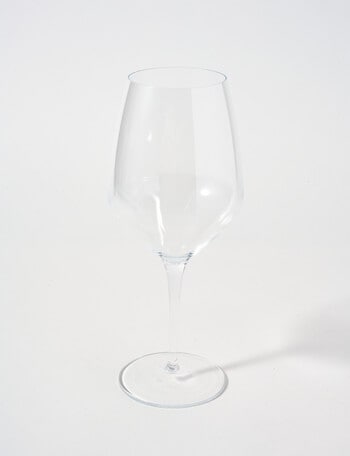
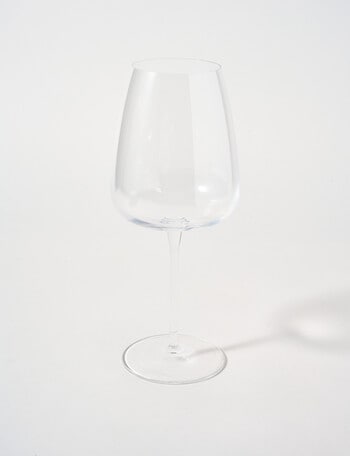
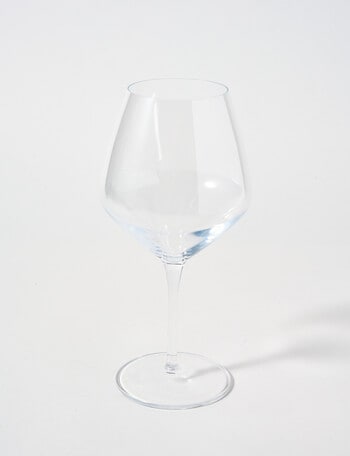
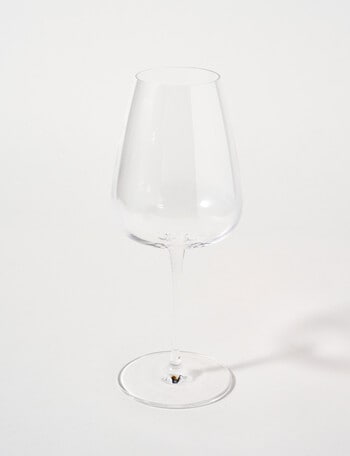
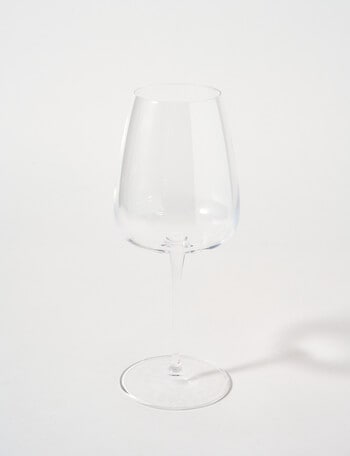
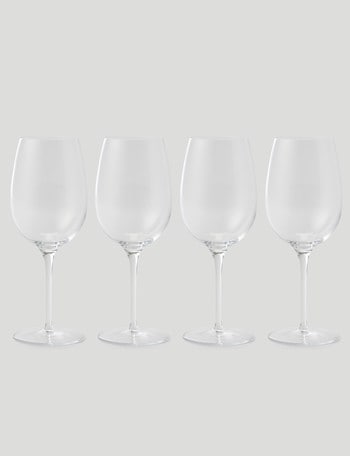
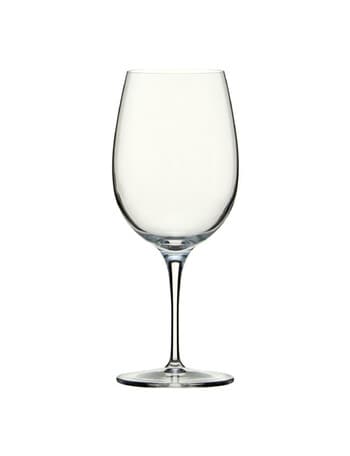
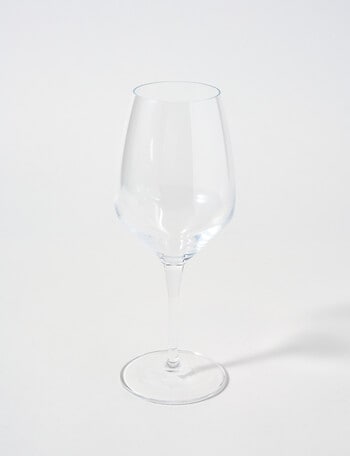
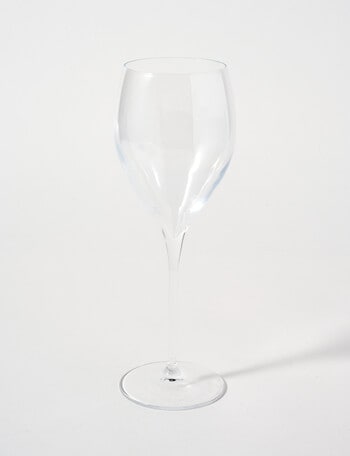
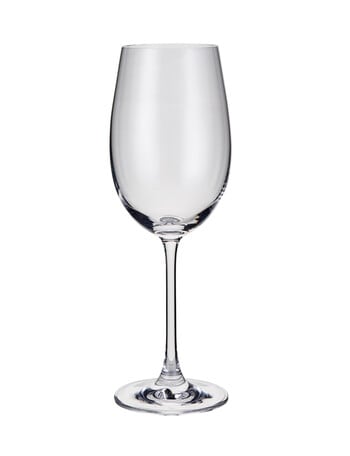
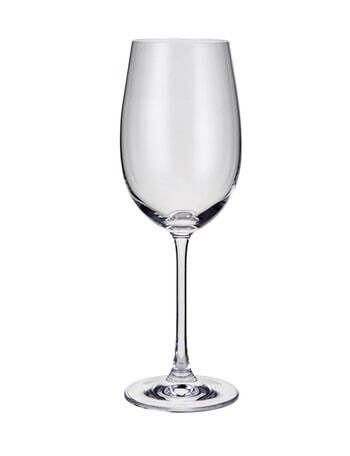
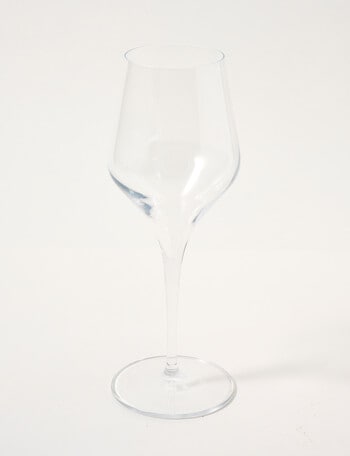
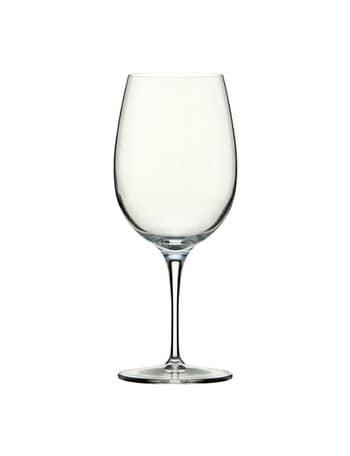
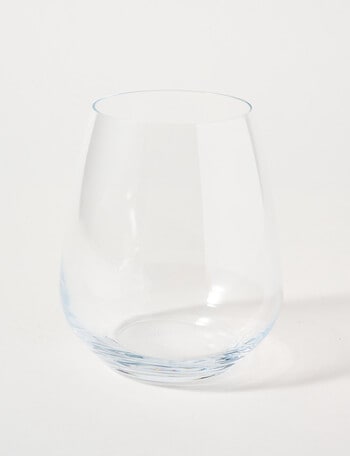
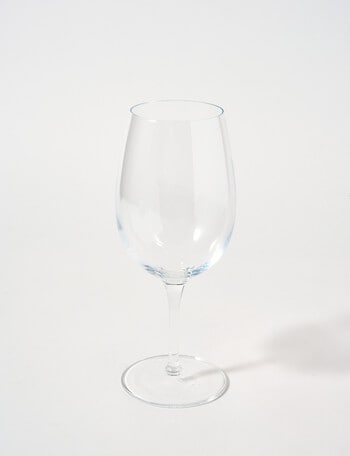
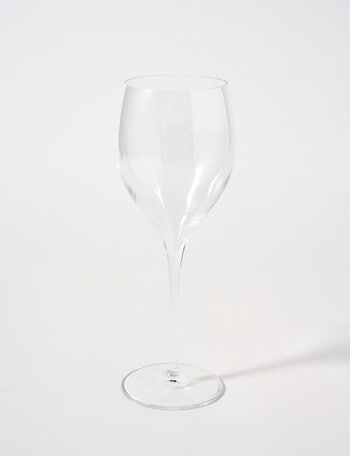
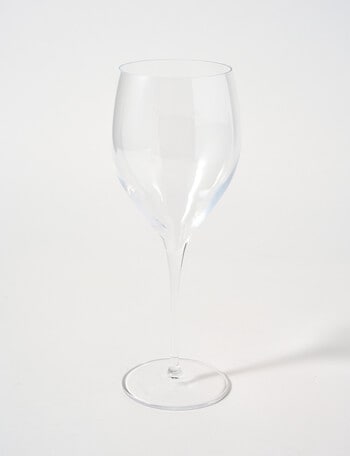
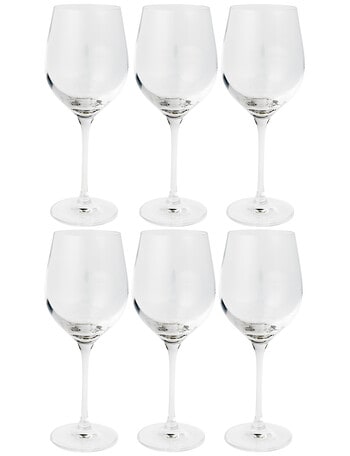
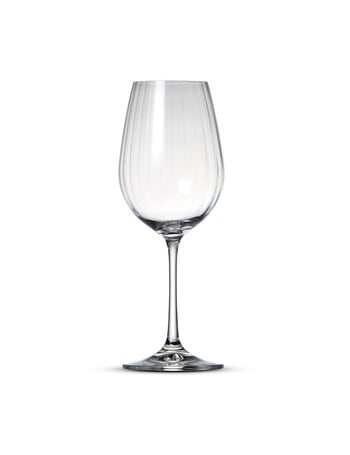
The design of wine glasses is intended to support the specific characteristics of different grape varieties and wine styles. Having a stem is a common feature used to prevent heat transfer from the hand to the liquid, helping to maintain the beverage at an optimal temperature during a meal. This selection includes various bowl shapes and sizes, each designed to manage the surface area and aeration of the wine for a consistent drinking experience.
Selecting appropriate wine glasses ensures that the visual and sensory aspects of the wine are prioritised. Whether for red, white, or rosé varieties, these pieces are built to handle regular use while maintaining their clarity. Modern designs focus on balancing delicate aesthetics with the durability required for domestic cleaning, making them a core part of any dinnerware and glassware collection.
The choice of a wine glass often depends on the wine's requirement for oxygen. Larger, wider bowls are frequently selected for red wines to allow for greater aeration, while narrower bowls are commonly used for white wines to help preserve delicate aromas and maintain a cooler temperature. Having a mix of shapes available ensures that the appropriate glass is ready for a wide range of varieties and occasions.
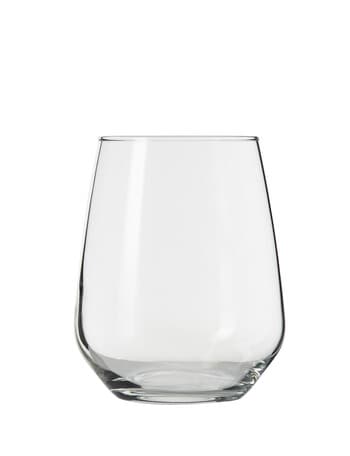
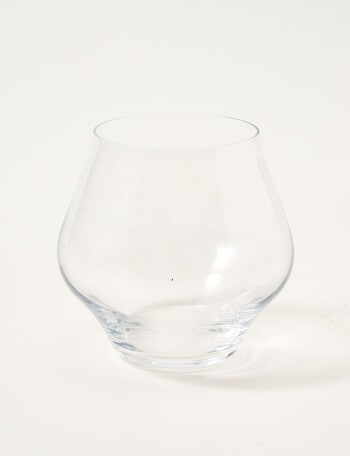
While traditional stemmed glasses remain a staple for formal dining, stemless versions are a frequent choice for casual meals and outdoor entertaining. Stemless glasses offer increased stability and are often easier to stack and clean in the dishwasher. Stemmed glasses are commonly preferred for more structured meals where temperature control and traditional table etiquette are the primary considerations.
How many wine glasses should a standard household keep?
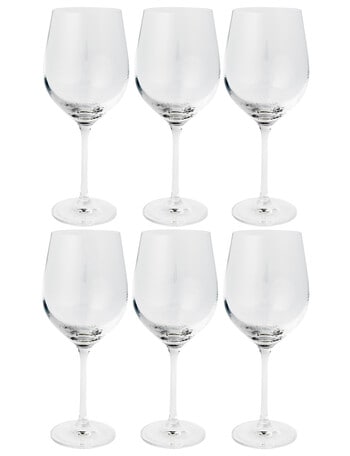
It is a common practice to keep at least six to eight glasses to match a standard dinner set. For those who frequently host guests, having twelve glasses ensures that you are prepared for larger gatherings or multi-course meals without needing to wash items between services.
Can I use the same wine glass for both red and white wine?
While specialised shapes are available, many households choose "universal" wine glasses that are designed to handle both red and white varieties effectively. These are a practical choice for those with limited storage space who still want to provide a consistent and appropriate drinking experience for their guests.
What is the best way to clean delicate stemware?
Hand-washing with warm water and a mild detergent is often the suggested method for delicate or thin-walled wine glasses. If using a dishwasher, ensuring the glasses are secured in a dedicated rack and using a gentle cycle can help prevent breakage. Drying with a lint-free cloth is a frequent technique for maintaining a streak-free finish.
Why is the rim of a wine glass often very thin?
A thin, laser-cut rim is a common feature in high-quality glassware, designed to provide a seamless transition from the glass to the palate. This prioritises the drinking experience and allows for a more controlled pour, making it a frequent choice for those who appreciate the finer details of wine service.