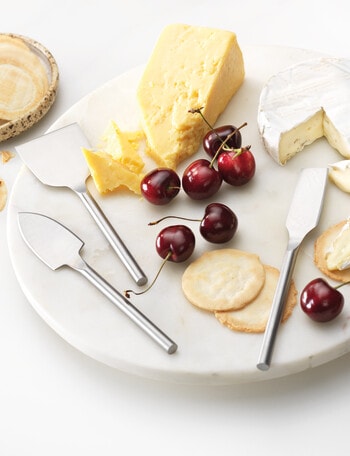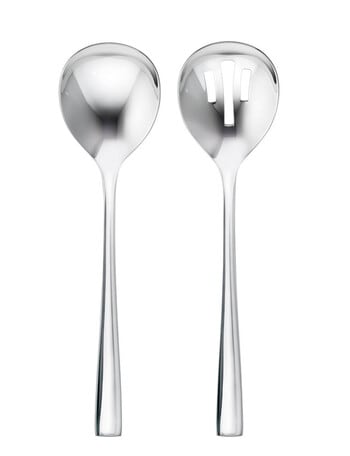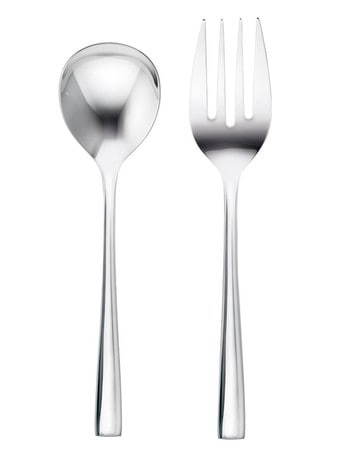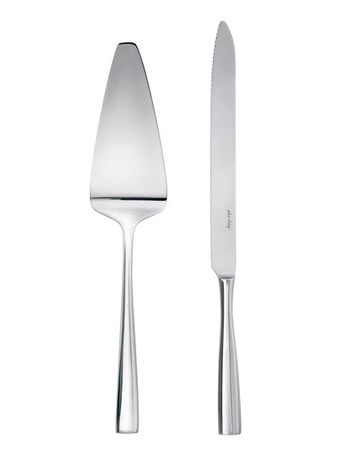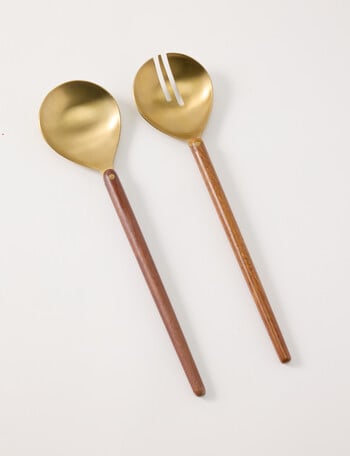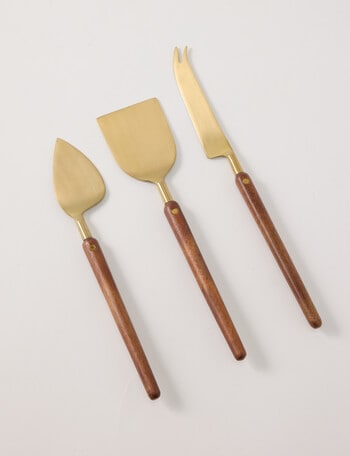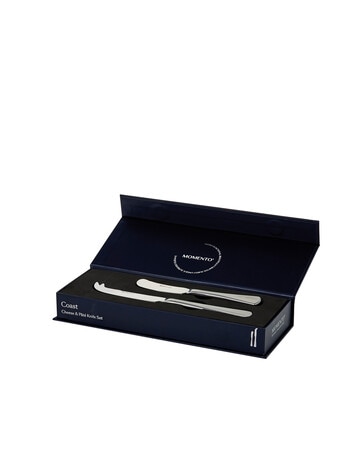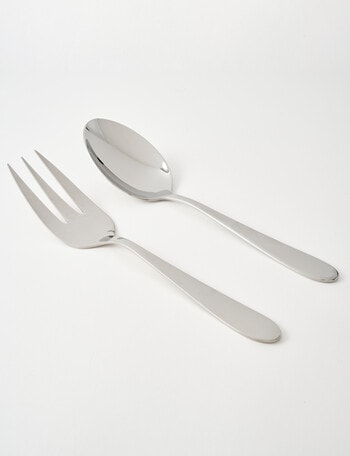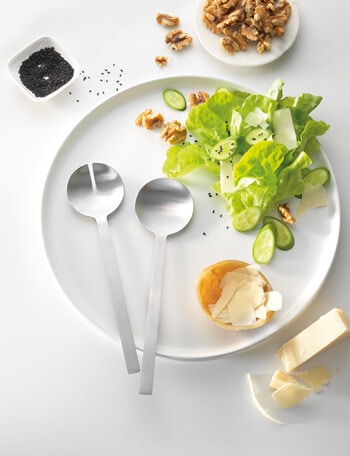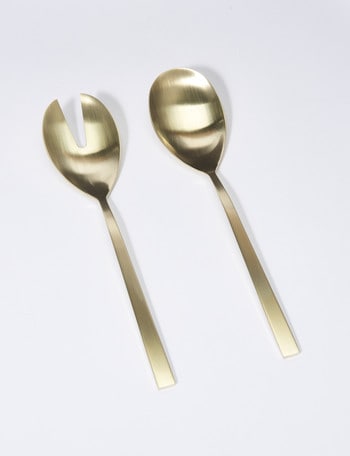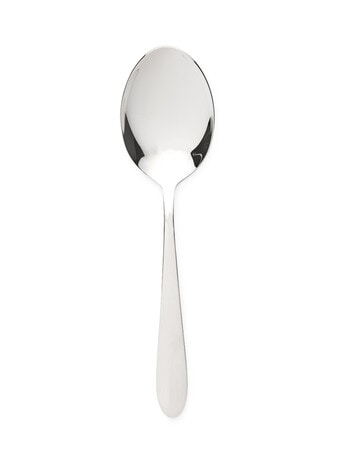
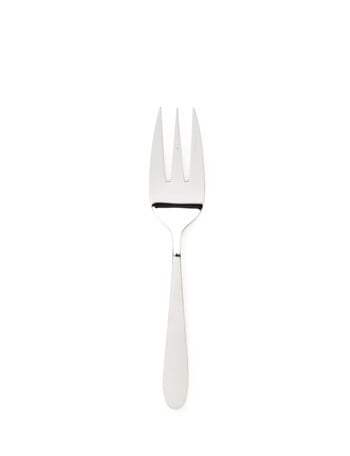
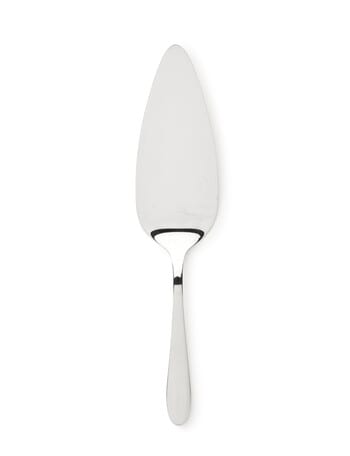
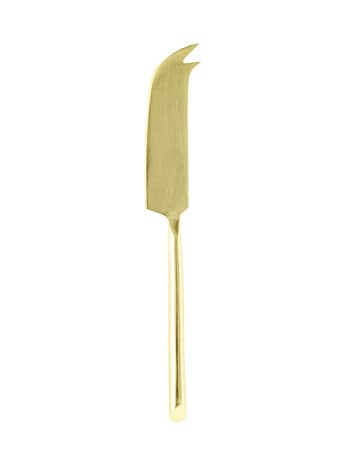
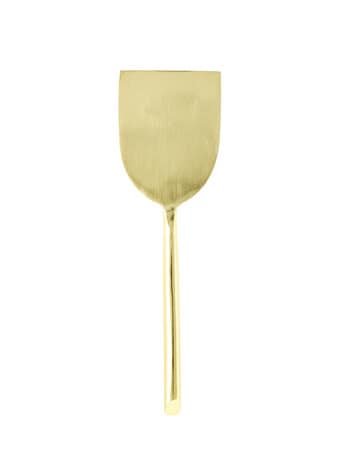
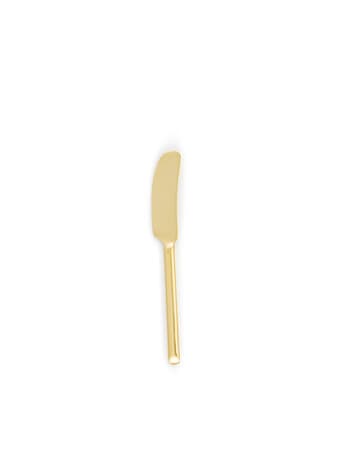
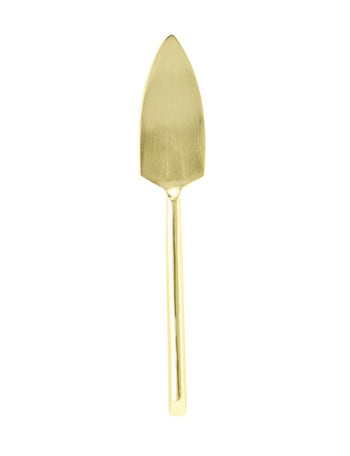

Shared dining relies on larger, specialised tools to move food comfortably from the serving dish to individual plates. This selection includes serving spoons, forks, and ladles designed to handle larger volumes and diverse textures with ease. Having a dedicated range of serving cutlery ensures that whether you are portioning a hearty stew or serving a pasta dish, the process is organised and efficient for both family meals and social events.
Modern serving tools are built for robustness and balance, often featuring longer handles to reach into deep pots and dishes safely. Constructed from high-quality stainless steel, these pieces are intended to maintain their finish despite frequent contact with hot food and regular cleaning. Choosing tools that coordinate with your primary cutlery range provides a cohesive and polished look for any table setting.
The choice of serving cutlery often depends on the type of recipes you prepare most frequently. Large, wide-bowled spoons are frequently selected for rice and vegetable dishes, while ladles are commonly used for soups and sauces. Specialised pasta forks and meat carvers are often preferred for their ability to manage specific textures, ensuring that every component of the meal can be served with precision and care.
What is the difference between a table spoon and a serving spoon?
A serving spoon is significantly larger and deeper than a standard table spoon. It is designed to scoop larger portions from a shared dish, whereas a table spoon is intended for individual use as part of a place setting. Having dedicated serving spoons prevents the need to use individual cutlery for shared tasks, maintaining a higher standard of table etiquette.
Are all serving tools dishwasher safe?
Most stainless steel serving cutlery is designed to be dishwasher safe for daily convenience. For items with specialized decorative finishes or composite handles, hand-washing is often suggested to preserve the appearance and integrity of the material. Rinsing shortly after use is a frequent recommendation to prevent acidic foods from affecting the polished surface.
How many serving pieces should I have for a dinner party?
It is a common practice to have a separate serving tool for each shared dish on the table. For a three-course meal with multiple sides, having four to six specialised serving pieces ensures that guests can help themselves easily without needing to share tools between different flavours and textures.