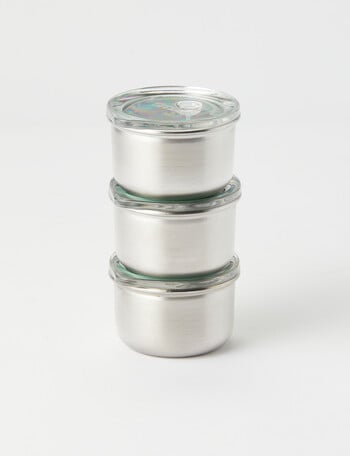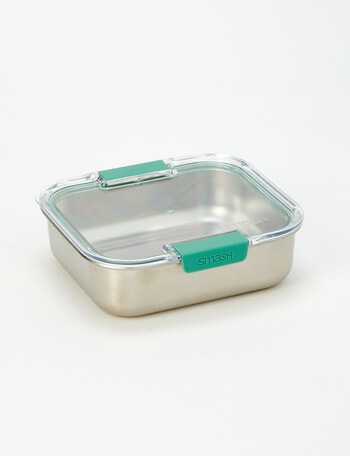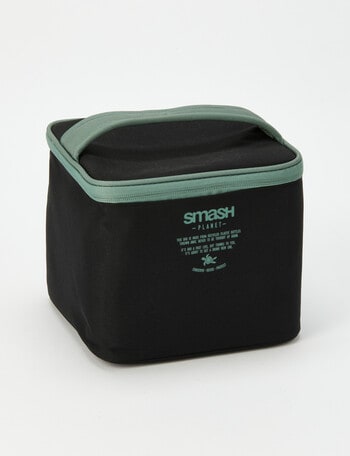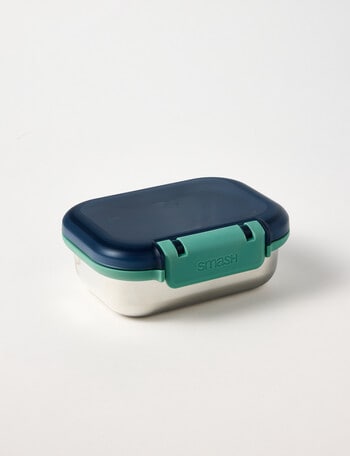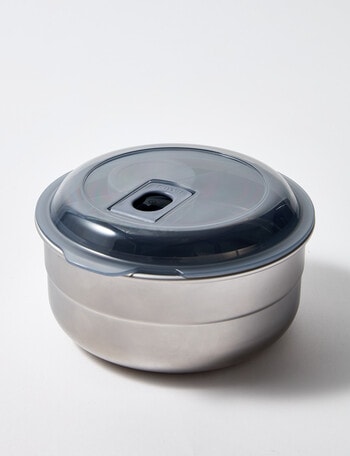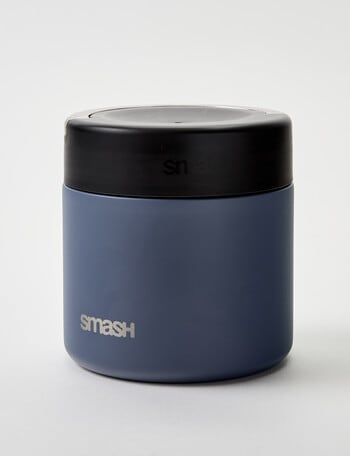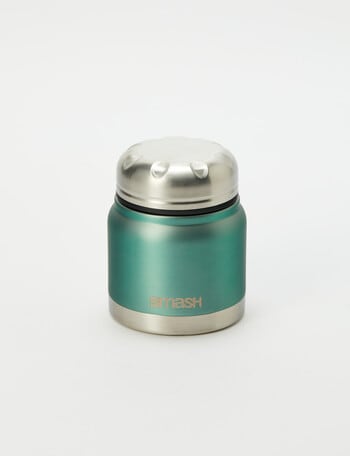


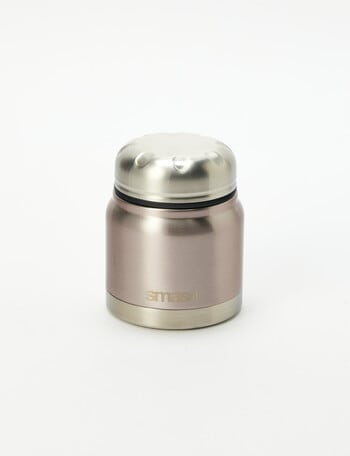
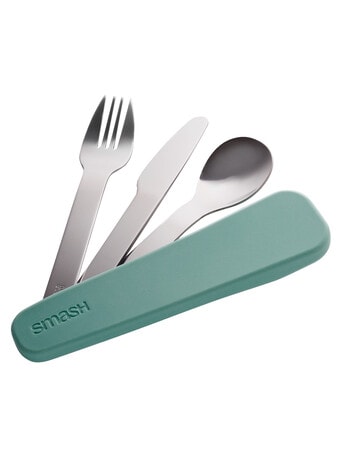


Transporting prepared meals requires containers that maintain food integrity while providing secure, leak-resistant storage. At Farmers NZ, our range of Lunch Boxes focuses on modular and bento-style solutions from Smash, including the premium Smash Eco series. These containers are specifically intended to separate diverse food groups, ensuring that your prepared meals remain as fresh and structured as they were in the kitchen.
Modern meal storage relies on robust hardware like stainless steel bodies and silicone-lined lids to provide a stable transport environment. Whether you are portioning a large family salad into a 1400ml bento box or using compact snack pods for side dishes, selecting the right volume is a common priority for maintaining an efficient daily routine. Our collection is built to resist the physical rigours of daily transit while supporting a sustainable, reusable lifestyle.
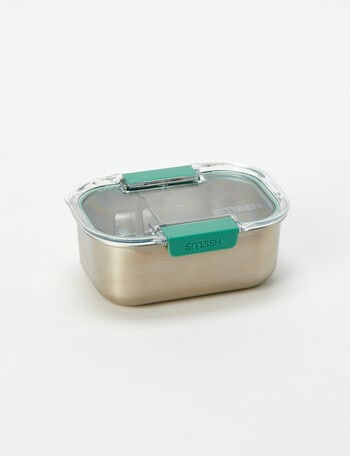
The choice of a lunch box often involves managing different textures and food types within a single vessel. Smash Eco Bento Boxes are frequently preferred for their internal dividers, which facilitate an organised approach to meal prep without flavour crossover. Crafted from durable stainless steel, these 1300ml and 1400ml boxes are designed with secure locking clips and high-grade seals, providing a reliable solution for everything from crisp produce to savoury grains.
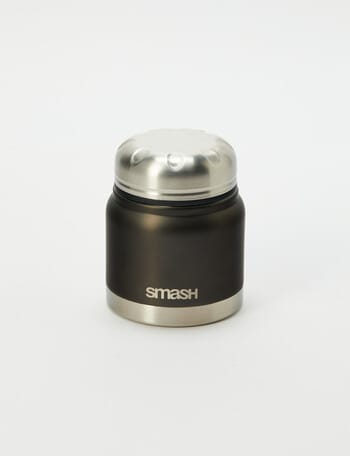
For meals that require specific temperature maintenance, insulated food flasks offer a specialised solution. These 300ml and 500ml vacuum-insulated jars are a common choice for transporting liquids or heat-sensitive meals like yoghurt and stews. By using double-walled technology, these flasks are intended to maintain the internal environment for several hours, providing a stable and safe option for dining away from home without the immediate need for refrigeration or reheating.
Selecting lunch hardware made from high-quality stainless steel ensures a non-porous surface that is naturally resistant to odour and stain retention. The Smash Eco range, including sandwich boxes and snack pots, offers a robust alternative to single-use synthetics, designed for longevity and ease of maintenance. These containers provide a stable foundation for healthy eating habits, featuring lightweight designs that fit easily into standard lunch bags and backpacks.
What makes a bento-style lunch box better for meal prep?
A bento-style layout, such as those in the Smash Eco range, is intended to simplify portion control and food organisation. The integrated compartments allow you to pack a variety of ingredients—such as proteins, vegetables, and snacks—in a single container while preventing them from mixing. This is a frequent choice for those who prefer fresh, structured meals and want to reduce the need for multiple separate containers in their bag.
Are Smash Eco stainless steel lunch boxes leak-proof?
Many Smash Eco containers are designed to be leak-resistant for thicker foods and sauces when the silicone seal is correctly seated and the clips are fully engaged. For liquid-heavy meals like soups or very thin dressings, using a dedicated Smash Eco food flask with a screw-top lid is the most frequent recommendation to ensure a completely secure and leak-proof experience during transit.
How do I clean and maintain my stainless steel lunch box?
To maintain the finish and seal integrity of stainless steel lunch boxes and flasks, hand-washing with warm, soapy water and a soft sponge is the most common practice. While many lids and snack pots are technically dishwasher safe, regular hand-washing is often suggested to prevent surface wear and to ensure the vacuum seals in insulated items remain in peak condition for long-term use.
Can I use a stainless steel lunch box in the microwave?
Standard stainless steel lunch boxes are not suited for microwave use. It is a frequent recommendation to transfer food to a microwave-safe plate or glass bowl if reheating is required. For meals intended to be eaten warm, using a pre-heated insulated food flask is a common strategy, as these are specifically designed to maintain heat for several hours without the need for external appliances.