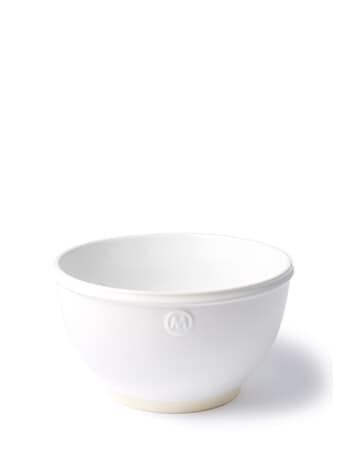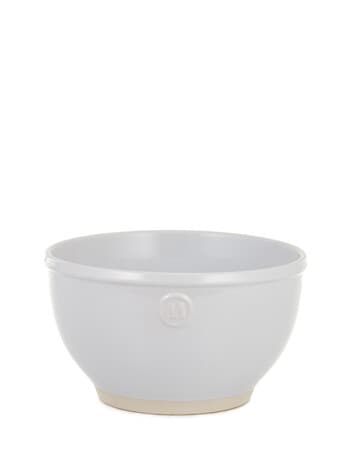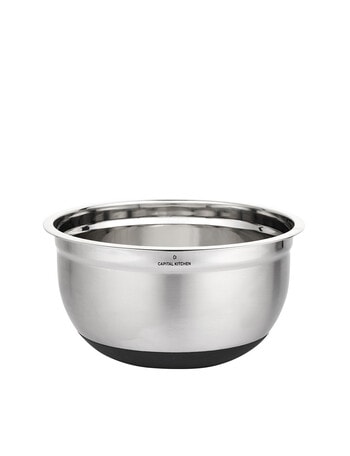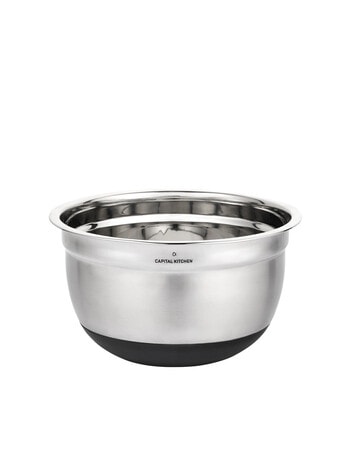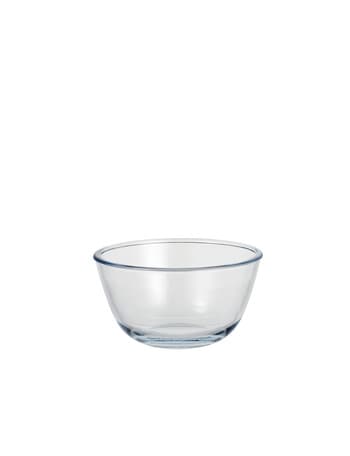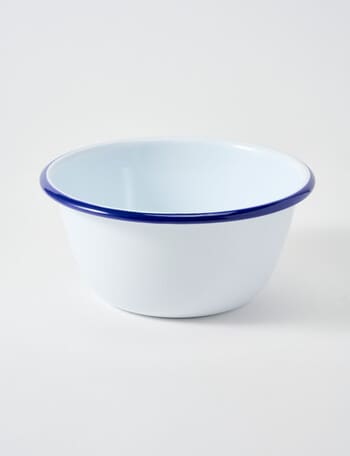
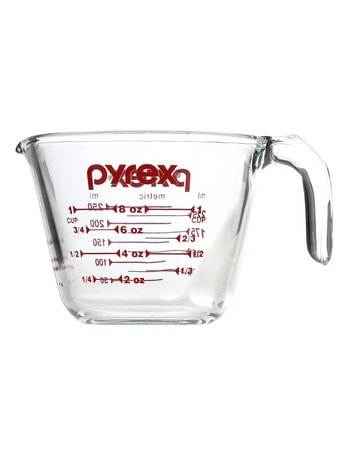

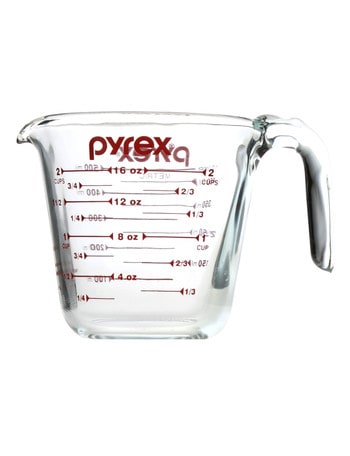
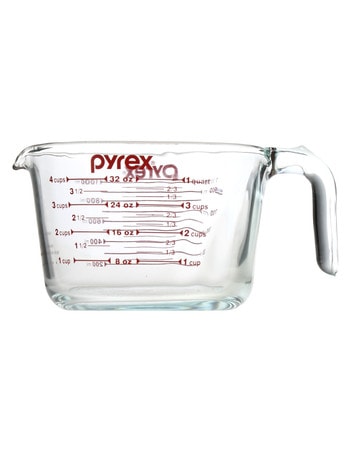
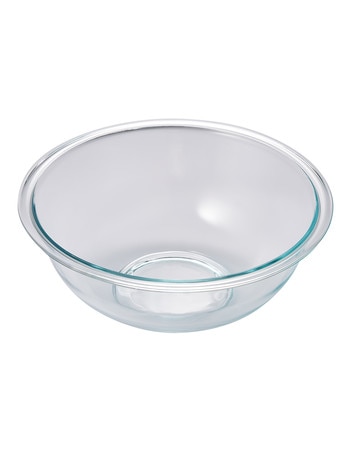
The foundation of any baking or cooking task is the thorough integration of ingredients.Providing the necessary space and depth to combine liquids and solids without overflow, these essential kitchen tools are intended for daily use, supporting a variety of tasks from whisking eggs to preparing large-scale batters.
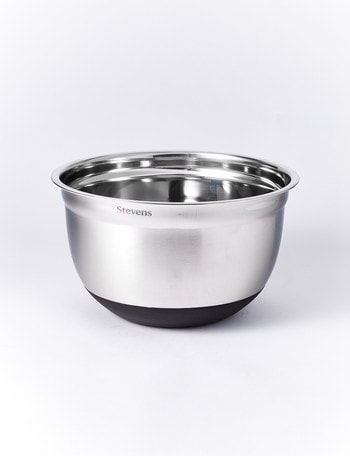
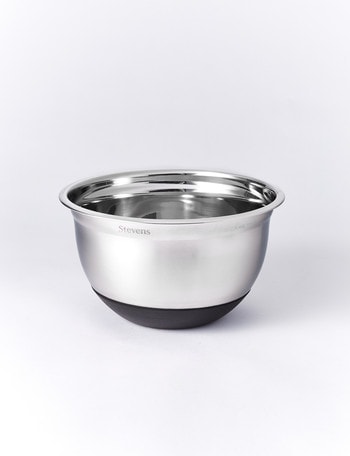
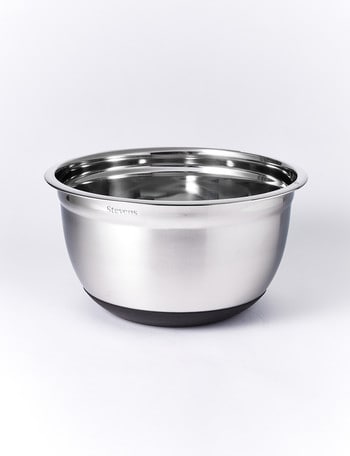
Having a selection of bowl sizes allows for an organised approach to meal preparation, enabling the separate handling of different recipe components. Most designs in our range, such as the Stevens stainless steel bowls with non-slip bases and the Gather handled bowls, are built to remain steady during intensive whisking. Modern versions prioritising stability and visibility ensure that your preparation environment remains efficient and functional.
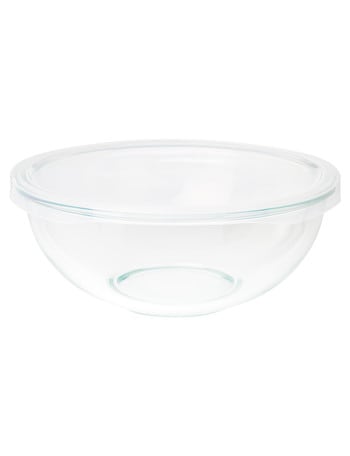
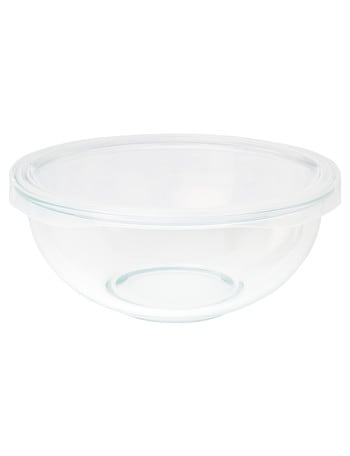
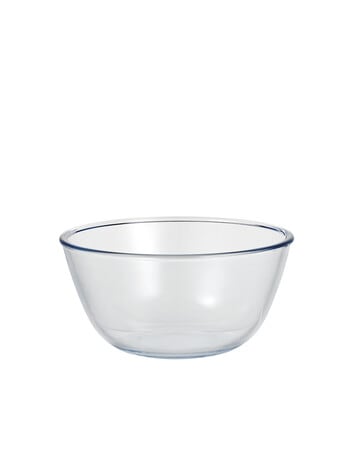
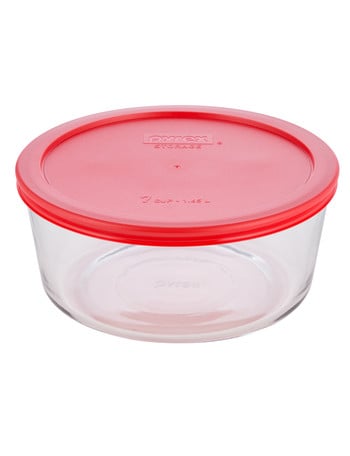
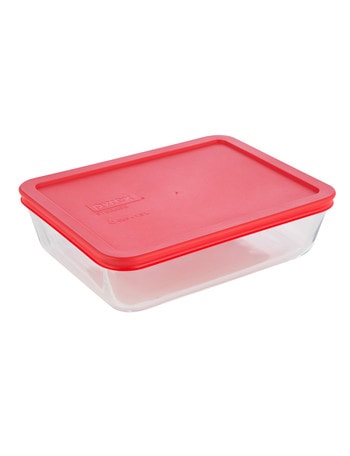
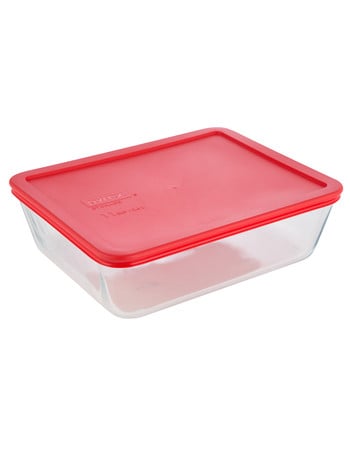
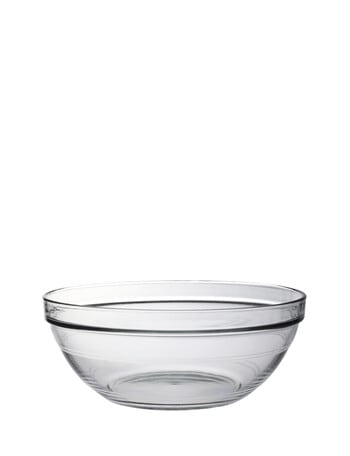
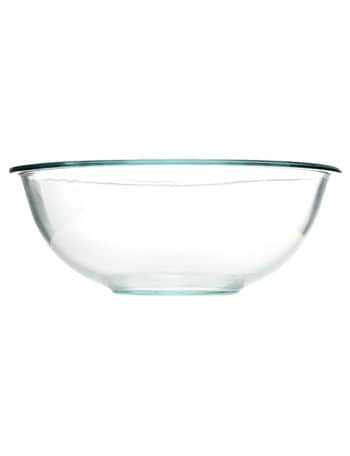
The choice of material often depends on the requirement for visibility and thermal resistance. Pyrex and Cinemon glass mixing bowls are frequently selected for their non-reactive surfaces, making them suited to everything from marinating to proofing dough. Many of these glass options, including the Cinemon mix glass bowls and Pyrex baking dishes, come with secure storage lids, providing a versatile solution that transitions from the preparation bench to the fridge for storage.
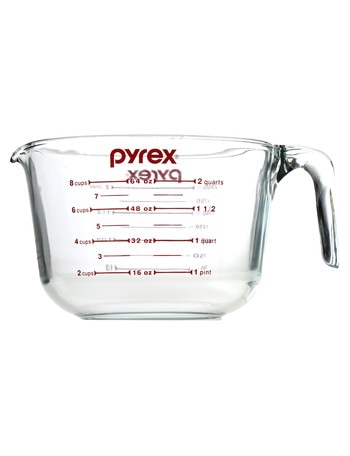
Successful results in the kitchen are frequently tied to the accuracy of ingredient preparation. The Stevens range provides robust stainless steel mixing bowls in various capacities, including 2.8L, 4.7L, and large 7.6L vessels, often featuring black non-slip bases for added stability. Complementing these are Stevens stainless steel measuring cup sets and Pyrex glass measuring jugs, available in formats from 250ml to 2L, ensuring that liquid and dry ratios remain consistent for every recipe.
Efficiency in a busy kitchen is often supported by equipment that manages space effectively. Many of our mixing bowls are designed to be nested, allowing multiple sizes to be stored within the footprint of the largest bowl. For smaller preparation tasks, the Cinemon 9cm and 10.5cm glass bowls are a common choice for holding spices or small ingredient quantities, while the Gather handled bowl in linen provides an ergonomic option for comfortable pouring and mixing.
What are the advantages of using Stevens stainless steel mixing bowls?
Stainless steel is frequently favoured for its durability, lightweight nature, and resistance to chipping. The Stevens stainless steel range is non-reactive, making it suitable for acidic ingredients, and it conducts temperature quickly, which is useful for tasks involving ice baths. Many of these bowls are also designed with integrated non-slip bases to prevent the vessel from moving on the benchtop during vigorous mixing or whisking.
How do I choose between Pyrex glass and stainless steel bowls?
Glass bowls from Pyrex and Cinemon are often preferred for their transparency, allowing you to monitor mixtures easily, and their ability to transition from preparation to the microwave or oven (where specified). Stainless steel is commonly chosen for its robustness and ease of handling, especially when using electric beaters. Many households choose a variety of both materials to handle different stages of cooking and baking.
Are the Pyrex and Cinemon bowls suitable for food storage?
Yes, many items in the Pyrex and Cinemon ranges are designed with matching storage lids, such as the Pyrex rectangular and round baking dishes. This feature is intended to provide a seamless transition from preparation to storage, helping to keep ingredients fresh without the need to transfer them to separate containers. These lids are typically designed to provide a secure fit to protect the contents from air and moisture.
What is the best way to clean and maintain my mixing bowls and jugs?
To maintain the clarity of Pyrex glass and the polish of Stevens stainless steel, hand-washing with mild detergent is the most frequent recommendation. While many of these items are technically dishwasher safe, regular hand-washing is commonly suggested to preserve the integrity of measurement markings and non-slip bases over time. Ensuring that nested bowls are dried thoroughly before storage helps maintain their finish and prevents surface wear.