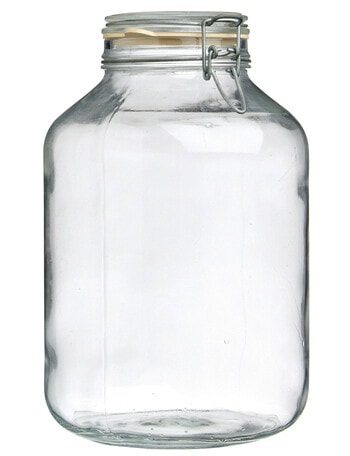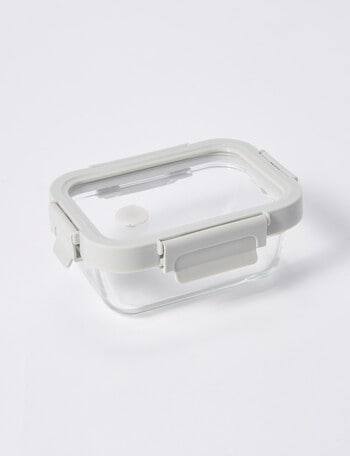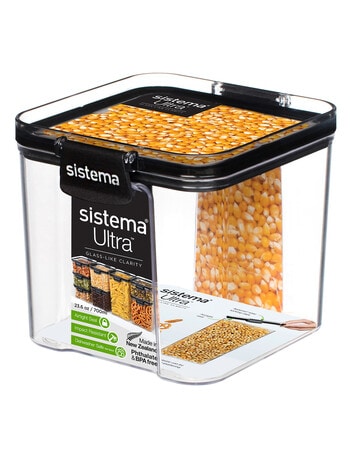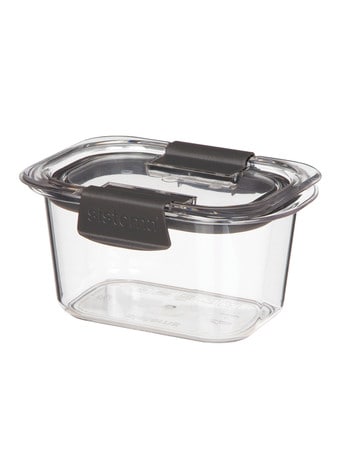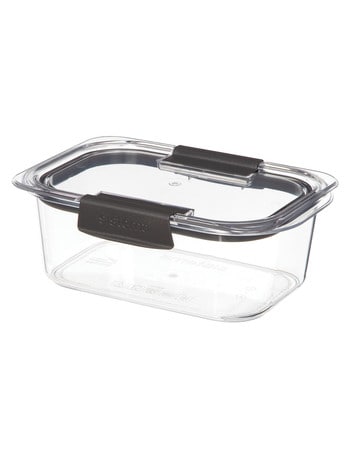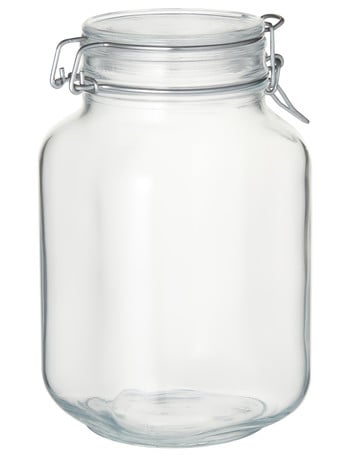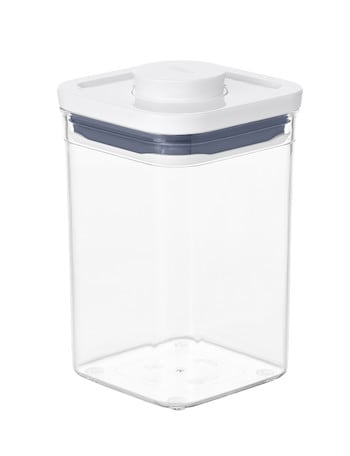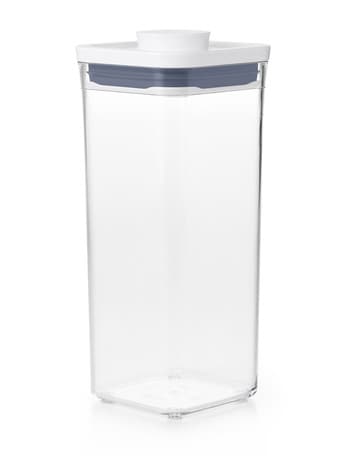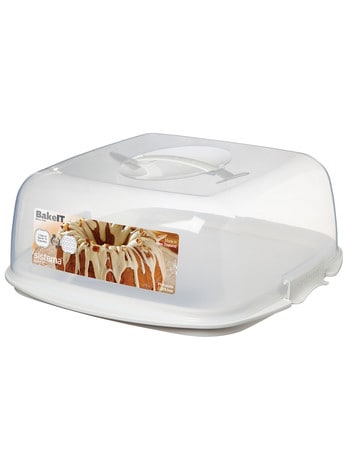
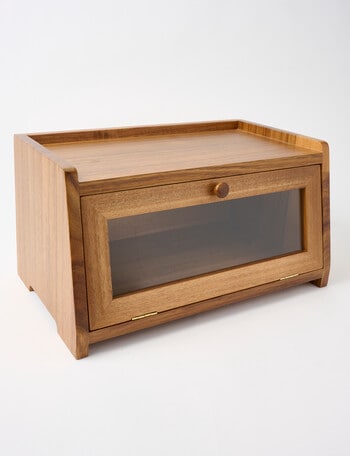

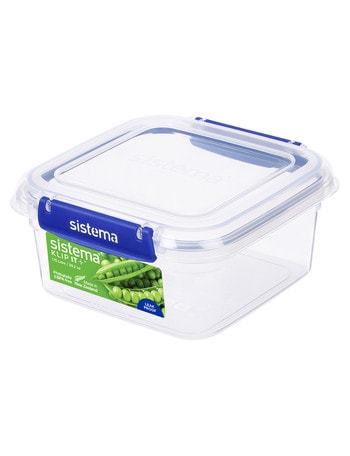

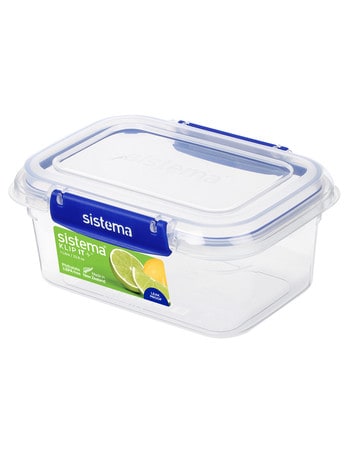
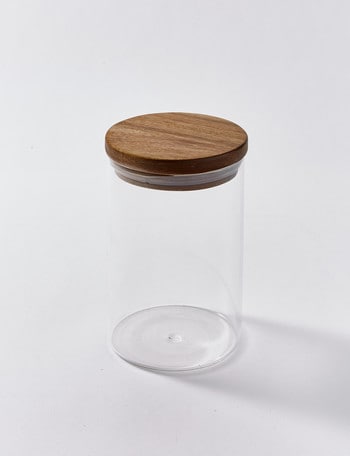
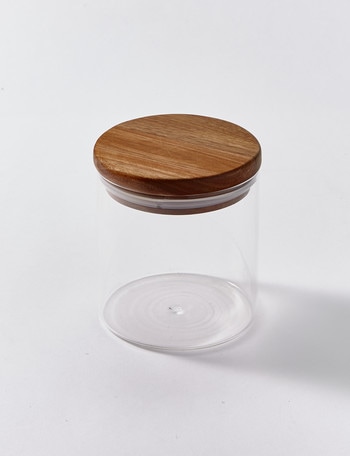
Maintaining the quality of ingredients and prepared meals relies on effective storage solutions designed to manage airflow and moisture. Pantry organisation is often supported by airtight containers that protect dry goods from environmental factors, helping to keep staples like flour, pasta, and grains fresh for longer. Having a variety of storage sizes ensures everything from small spice quantities to bulk ingredients can be housed in an organised and accessible manner.
Modern storage hardware is built for durability and efficient use of space, with designs prioritising stackability to maximise cupboard and fridge capacity. Whether for managing leftovers or preparing meals in advance, choosing containers that provide a reliable seal is a common priority. These items integrate into daily routines, providing a stable solution for maintaining a tidy and efficient domestic environment.
The choice of storage material often depends on where items will be kept and the type of food involved. Glass containers are frequently selected for their non-porous surfaces and clarity, making them suited to both the fridge and the pantry. High-quality synthetic containers are commonly preferred for their lightweight nature and robustness, particularly for transporting meals. Selecting transparent options allows for a quick visual inventory, reducing waste and simplifying meal planning.
How can I ensure my pantry stays organised?
Using modular, stackable containers is a frequent strategy for making the most of vertical shelf space. Grouping similar items together and using containers of uniform shapes helps create a streamlined look. Choosing containers with clear lids or sides ensures that contents are identifiable at a glance, supporting an efficient preparation process.
Are food storage containers safe for the microwave and freezer?
Many modern containers handle a range of temperatures from freezing to reheating. It is a common practice to check for specific safety symbols on the base of the product before use. For microwave heating, ensuring the lid is loosened or removed is a frequent recommendation to allow steam to escape safely while maintaining the integrity of the container.
What is the best way to clean containers to prevent odours?
Rinsing containers shortly after use is a frequent practice to maintain a fresh storage environment. Most glass and high-quality plastic items are dishwasher safe. For containers that have held strongly scented foods, a gentle soak with a mixture of warm water and bicarbonate of soda is commonly suggested to help neutralise any lingering aromas before the next use.