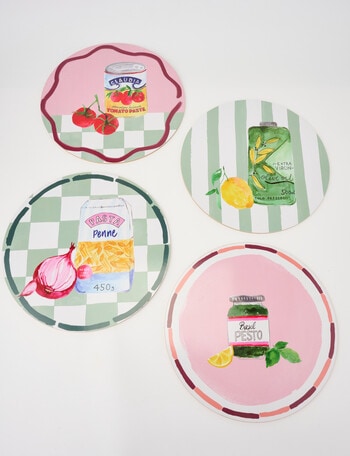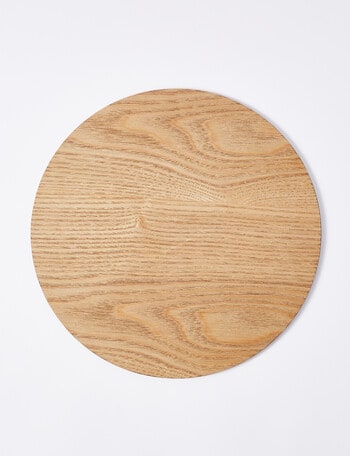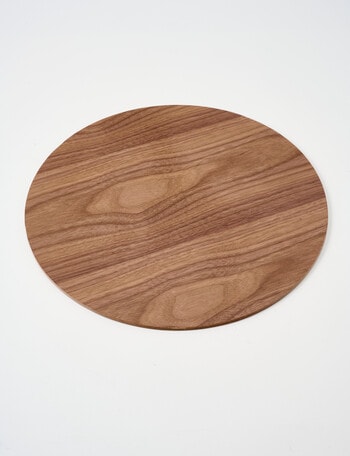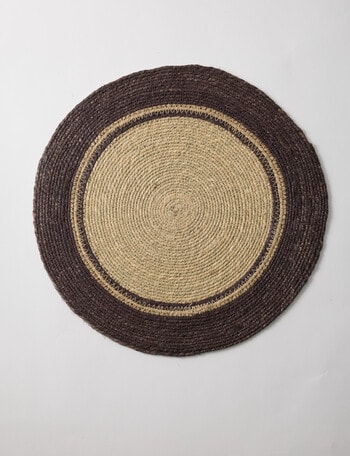
Individual placemats are designed to define place settings while providing an essential layer of protection for the dining surface. These items are commonly used to prevent scratches from cutlery and heat marks from dinnerware, ensuring the longevity of the table underneath. Having a versatile selection of mats allows for an organised table arrangement that is suited to both casual meals and more structured dining occasions.
Built to handle the demands of a modern kitchen, placemats are available in a variety of materials prioritised for their durability and ease of cleaning. Most designs are intended to sit flat on the table, providing a stable base for plates and bowls. Whether opting for natural textures or modern synthetic finishes, choosing items that align with your dining routine is a common way to maintain both the function and appearance of the dining area.
The choice of material often depends on the frequency of use and the preferred cleaning method. Woven and fabric placemats are frequently chosen for their traditional feel and ability to be laundered, while cork-backed or synthetic options are commonly preferred for their ease of being wiped clean after a meal. Each material is selected for its thermal properties and resistance to surface wear, ensuring a consistent level of protection for the table.
What size placemat is standard for a dining table?
Most placemats are designed to be approximately 30cm by 45cm, providing enough space for a full-sized dinner plate and cutlery. This standard size ensures that the mats do not overlap when placed around a typical dining table, while still offering comprehensive protection for the area directly in front of each guest.
How do I clean spills off different types of placemats?
For synthetic and cork-backed mats, wiping with a damp cloth and mild detergent is the most frequent suggestion. Fabric mats often benefit from being treated shortly after a spill and then laundered according to the manufacturer’s guidelines. Ensuring that mats are completely dry before being stacked for storage helps maintain their integrity and prevents moisture from being trapped.
Should I use placemats with a tablecloth?
Using placemats on top of a tablecloth is a common practice for providing additional protection in high-use areas. This can help prevent stains on the larger cloth while adding a layered look to the table setting. It is also an efficient way to define individual settings during a more formal multi-course meal.
Are heat-resistant placemats necessary for all meals?
While many everyday meals do not reach extreme temperatures, using heat-resistant placemats is a frequent precaution when serving hot plates or dishes directly from the kitchen. This helps manage the risk of thermal shock to delicate table surfaces, such as polished wood or glass, providing peace of mind during daily use.