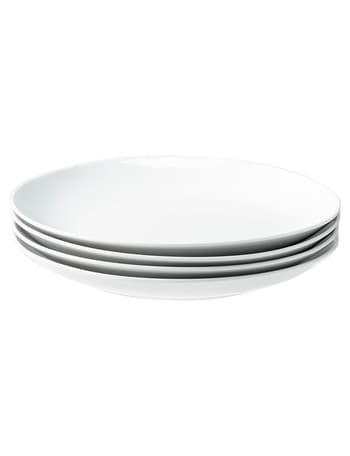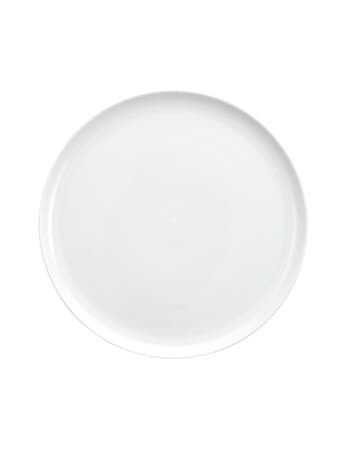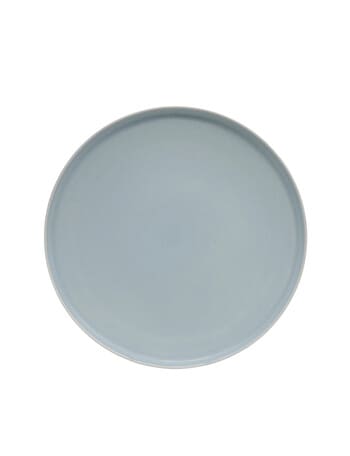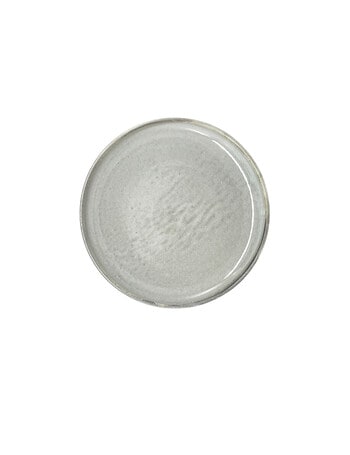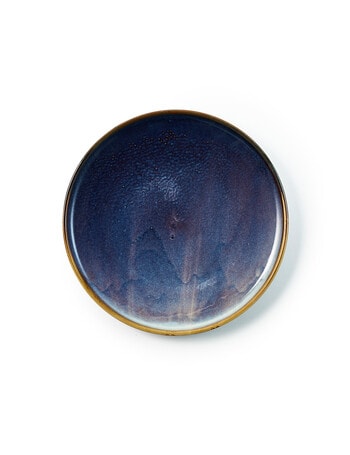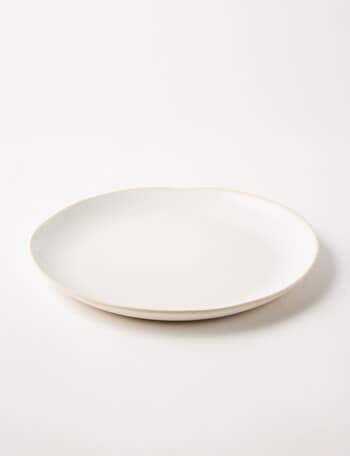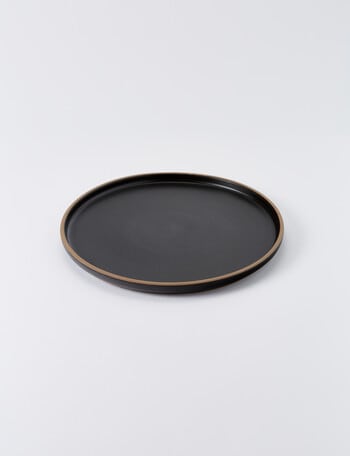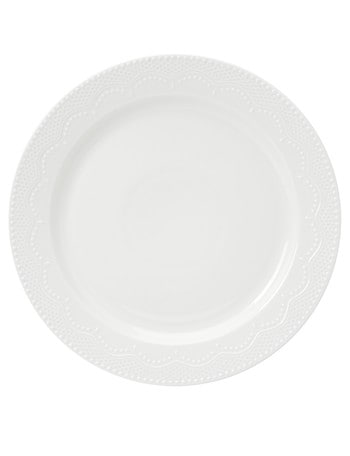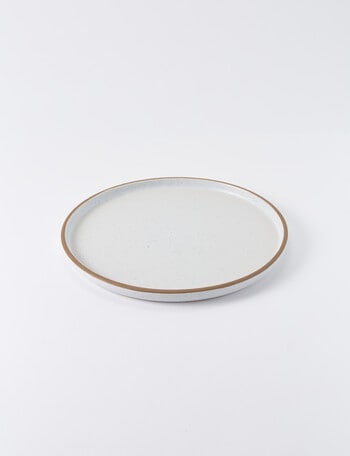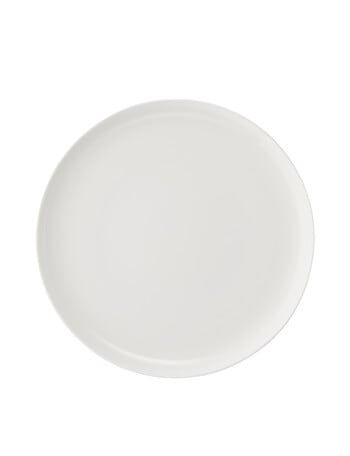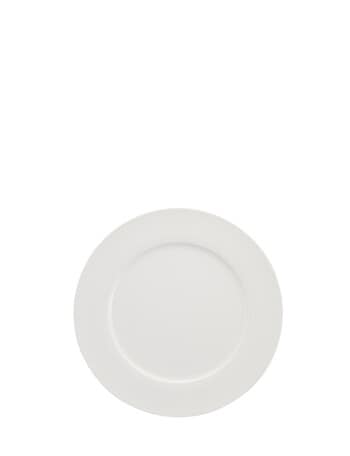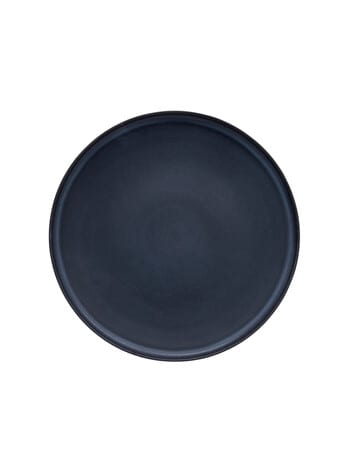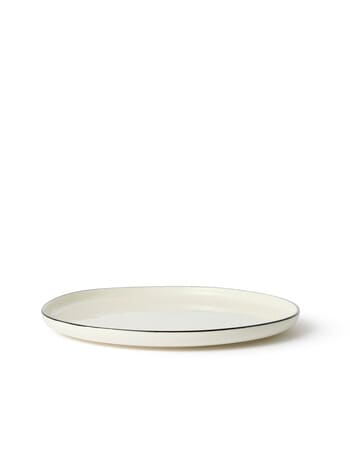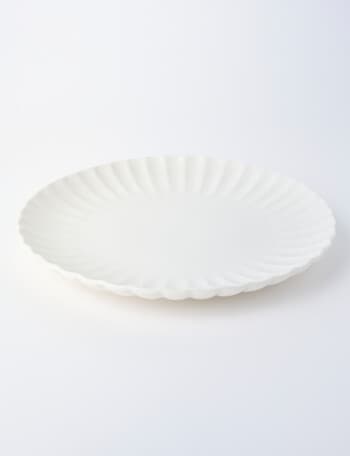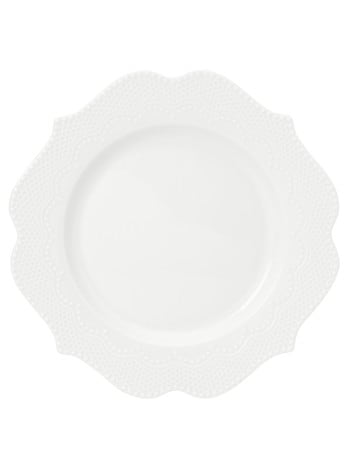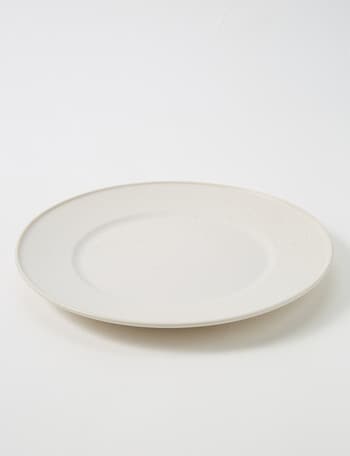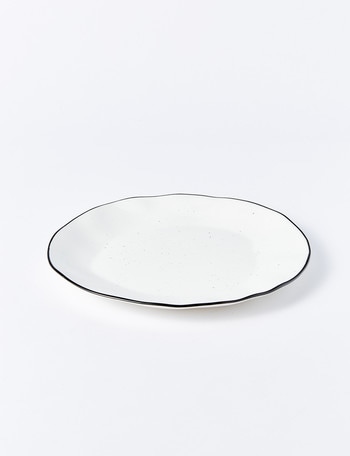

As a foundational piece of any table setting, plates are designed to accommodate a wide variety of main courses and larger meal portions. These items are commonly used for everything from roasted meats to pasta and salads, providing a stable and spacious surface for food presentation. Having a selection of durable plates ensures that your kitchen is equipped for both casual family meals and more formal dining occasions.
Modern plates are built to handle the rigours of daily use, including frequent contact with cutlery and regular dishwasher cycles. Most designs prioritise ease of handling and stackability, making them a practical choice for kitchen organisation. Available in various diameters and rim styles, these pieces are intended to support a consistent dining experience across a range of culinary flavours.
The diameter of a plate often depends on the scale of the meal and personal preference for portion sizes. Standard dinner plates typically range from 25cm to 28cm, providing ample room for multi-component dishes. Flat designs are frequently chosen for modern minimalism, while plates with raised rims or "coupe" shapes are commonly used for meals with sauces, as they help contain liquids on the surface.
Plates are constructed from robust materials like porcelain, ceramic, and stoneware, each offering different benefits for heat retention and surface integrity. Porcelain is often favoured for its strength and refined finish, while stoneware is a common choice for its weighted feel and rustic appeal. Choosing materials that are microwave and dishwasher safe is a frequent priority for maintaining efficiency in a domestic kitchen.
What is the difference between a dinner plate and a coupe plate?
A standard dinner plate usually features a flat rim (or "lip"), whereas a coupe plate has a continuous, slightly curved surface without a distinct rim. Coupe plates are often preferred for their contemporary look and are suited to meals that include sauces or grains that might otherwise slide off a flat plate.
How do I choose the right size for my cupboards?
It is a common practice to measure the depth of your kitchen shelving before purchasing larger dinner plates. Plates around 27cm fit most standard cabinets, but oversized versions may require more space. Checking the stackability of the design is also useful for ensuring they occupy minimal room when not in use.
Can these plates be used in the oven for warming?
Many ceramic and porcelain plates are suited to low-temperature oven use for warming food. However, it is essential to avoid thermal shock by not moving a cold plate directly into a hot oven. Always check the manufacturer's temperature ratings to ensure the integrity of the glaze and material is maintained.
How can I maintain the appearance of my plates over time?
To help preserve the finish, using non-abrasive cleaning tools and mild detergents is frequently recommended. Rinsing plates shortly after use can prevent acidic foods from affecting the glaze. For plates with metallic accents or delicate hand-painted designs, hand-washing is often the suggested method for long-term care.