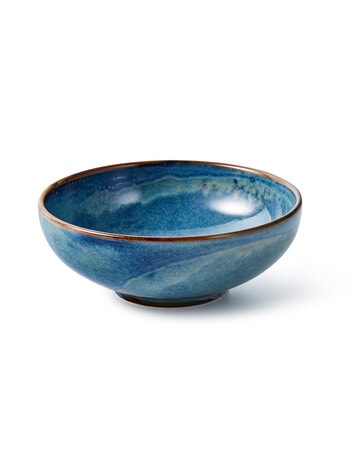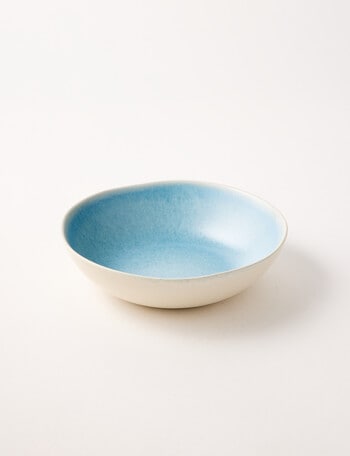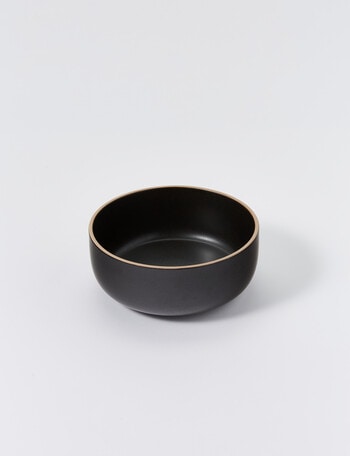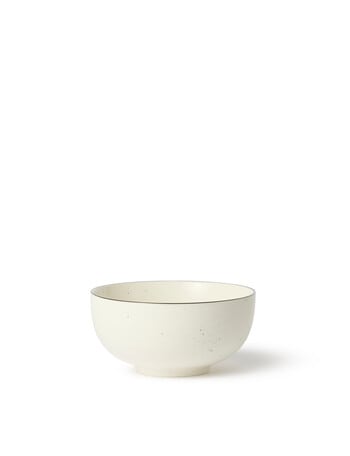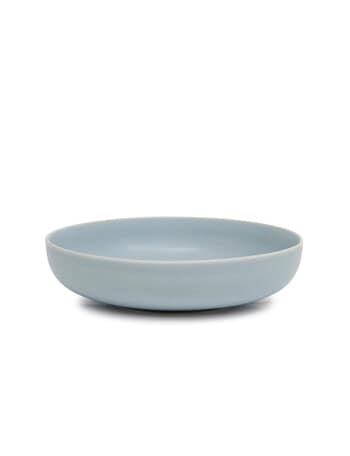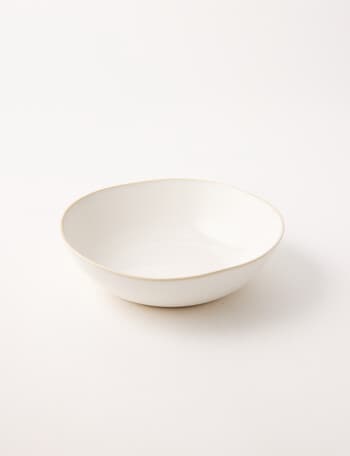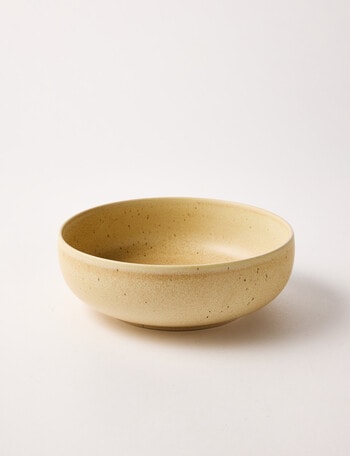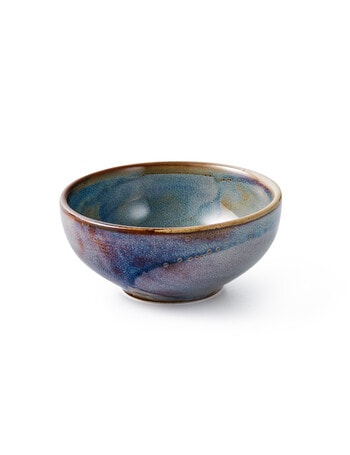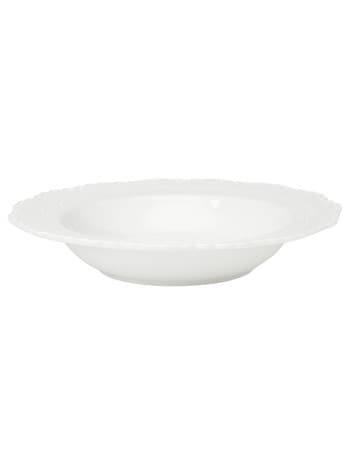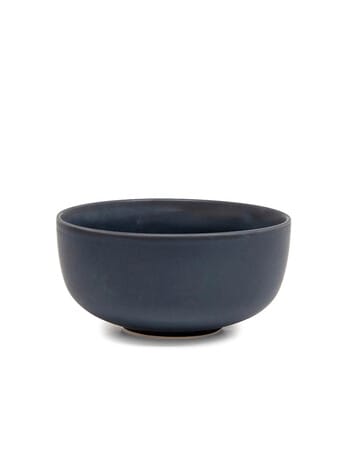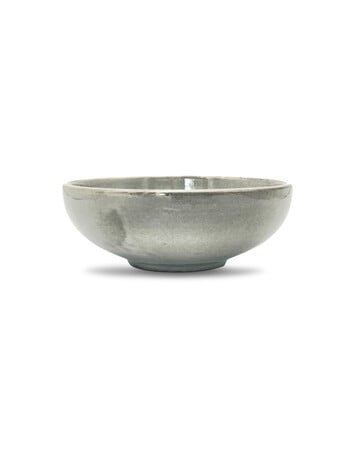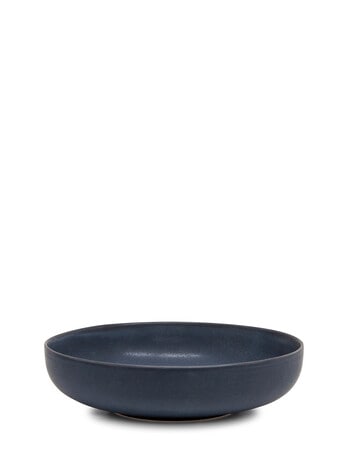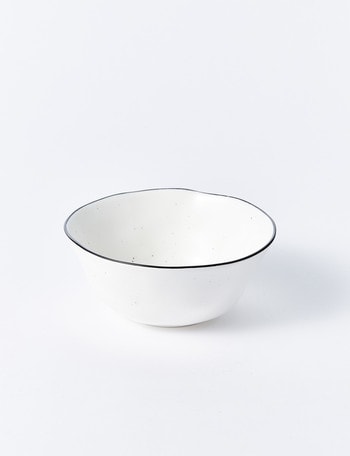
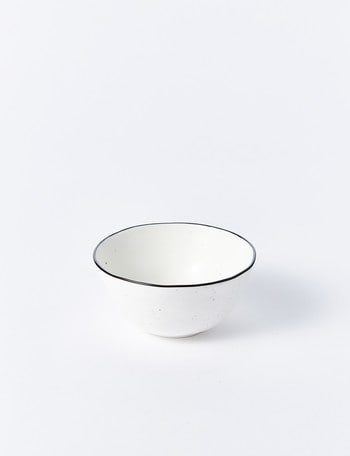
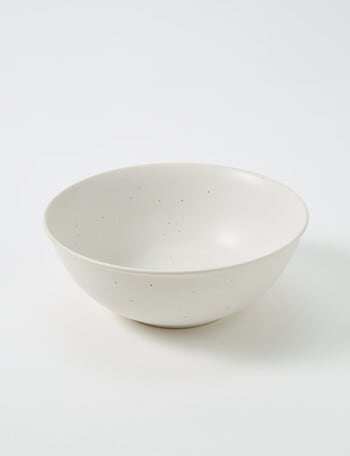
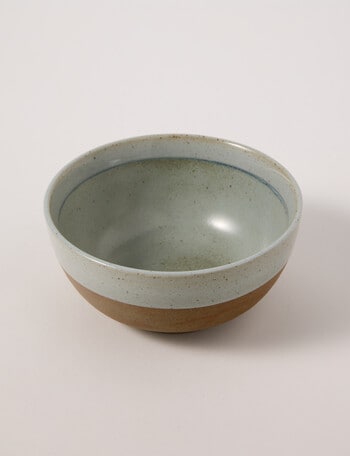
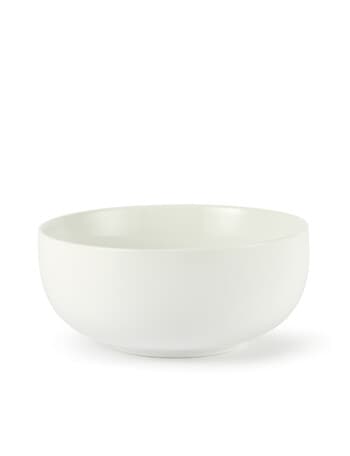
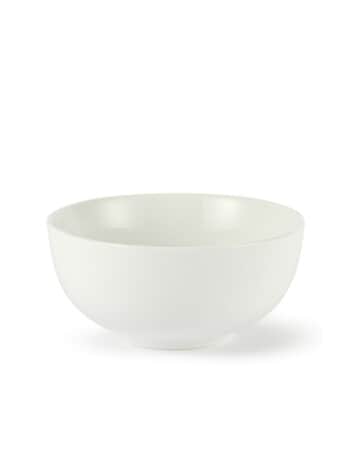
The depth and shape of bowls make them an essential part of a dining collection for managing liquid-based dishes and grains. These items are commonly used for serving soups, stews, cereals, and pasta, providing a practical solution for meals that require higher sides to prevent overflow. Having a variety of bowl sizes ensures that the appropriate vessel is available for everything from a light morning breakfast to a hearty evening meal.
Modern bowls are built to handle high temperatures and regular cleaning while maintaining their structural integrity. Designed for daily use, they are often prioritised for their stackability and ease of storage in domestic kitchens. Whether used for individual portions or as small serving pieces, these items are intended to support a wide range of culinary flavours and dining habits.
The choice of a bowl often depends on the specific type of meal being served. Deep, narrow bowls are frequently chosen for soups and cereals to help maintain temperature, while wider, shallower designs are commonly preferred for pasta and salads to allow for easier mixing. Selecting a capacity that matches your portion preferences is a frequent consideration for maintaining efficiency and presentation on the table.
Bowls are constructed from materials like porcelain and stoneware, which are selected for their ability to retain warmth. This is particularly useful for liquid-based meals that benefit from staying hot during consumption. Stoneware is often favoured for its weighted feel and heat retention, while porcelain is a common choice for its durability and smooth finish that is easy to clean after daily use.
What is the difference between a cereal bowl and a pasta bowl?
Cereal bowls are typically deeper and narrower, designed for holding liquids and grains. Pasta bowls (sometimes called "soup plates") are usually wider and shallower, providing a larger surface area that is suited to flat noodles and dishes with thick sauces. Both are versatile enough for various uses depending on personal preference.
Are these bowls safe for heating food in the microwave?
Most modern bowls are designed to be microwave safe, which is a common requirement for heating soups and leftovers. It is a frequent practice to check the base for a microwave-safe symbol, especially if the bowl has any metallic decorations or specialised glazes that could react to the heat.
How can I prevent bowls from chipping in the dishwasher?
Ensuring that bowls are spaced correctly in the dishwasher rack is a common technique to prevent them from knocking together during the cleaning cycle. Choosing bowls with reinforced rims, such as those made of high-quality porcelain, can also help reduce the risk of chipping over long-term use.
Can small bowls be used for preparation tasks?
Yes, smaller bowls are frequently used in the kitchen for preparation tasks, such as whisking eggs or holding pre-measured ingredients. Their versatility makes them a core part of both the dining table and the preparation area, providing a stable and easy-to-clean solution for various tasks.