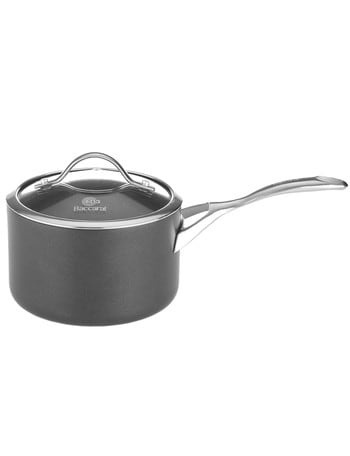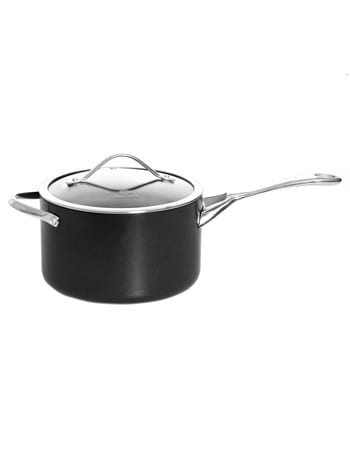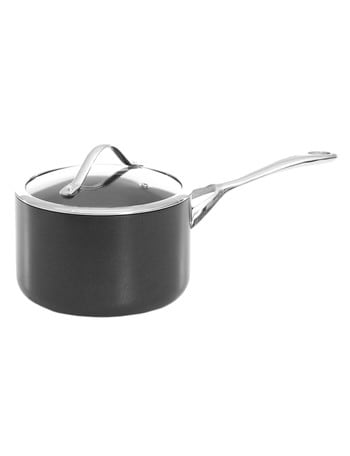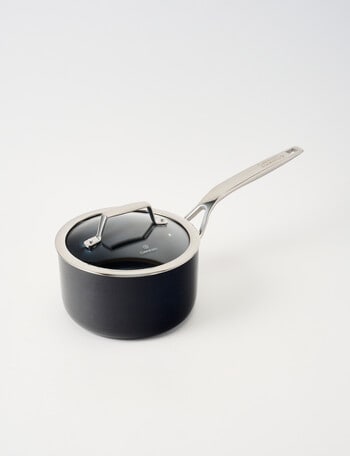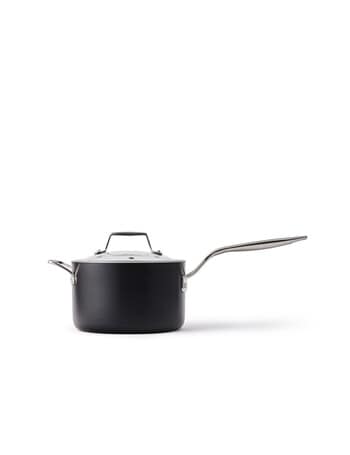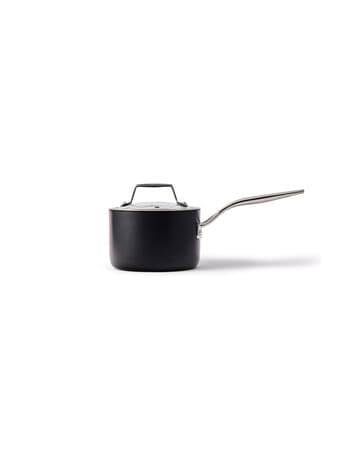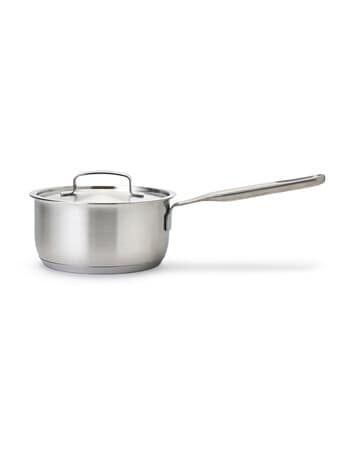

The utility of a saucepan lies in its ability to manage smaller volumes of liquid with precision. At Farmers NZ, our range features durable saucepans and milkpans from brands like Baccarat and Stevens, designed for tasks such as heating sauces, boiling eggs, or preparing side dishes like rice and vegetables. Having a variety of saucepan sizes available ensures that the vessel volume matches the ingredient quantity for better heat control and efficient energy use.
Designed for daily stovetop use, saucepans feature high sides and single long handles intended for easy maneuvering. Most are equipped with well-fitting lids to help manage moisture retention and reduce cooking times. Whether you are using a Baccarat iD3 hard anodised saucepan or a Stevens stainless steel pan, these core cookware pieces are built to provide consistent heat distribution for everything from quick heating to delicate simmering.
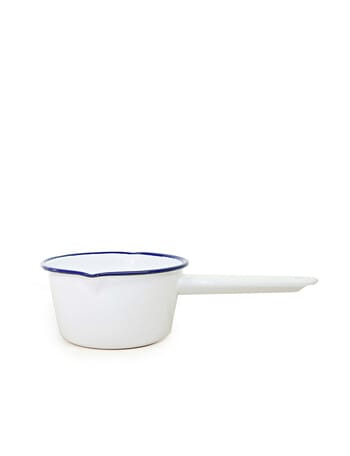
For smaller kitchen tasks, specialised milkpans provide a practical solution for heating liquids or preparing individual portions. The Stevens mini milkpan range, available in various vibrant finishes, features a 12cm diameter and a pouring lip designed for easy, drip-free service. These compact pans are frequently selected for their rapid response to temperature changes, making them a common choice for delicate tasks like melting butter or warming milk without scorching.
The choice of material significantly impacts how a saucepan performs during daily use. The Baccarat iD3 range offers saucepans in both hard anodised aluminium and premium stainless steel formats. Hard anodised saucepans are frequently preferred for their rapid and even heat transfer, featuring a surface that is twice as hard as stainless steel. Stainless steel varieties, such as the Stevens Titan series, are often selected for their robustness, non-reactive nature, and polished finish that maintains its appearance over long-term use.
Selecting the right saucepan diameter—typically ranging from 14cm to 20cm—is essential for managing different portion sizes. A 1.5-litre pan is often suitable for sauces, while a 3.5-litre saucepan is a frequent choice for family-sized portions of grains or vegetables. Most modern saucepans in our collection are designed with impact-bonded bases, ensuring they are suited to all heat sources, including induction hobs, providing a reliable performance regardless of your kitchen setup.
Should I choose a saucepan with a glass or metal lid?
Glass lids are commonly preferred as they allow you to monitor the cooking process without releasing steam or heat. Metal lids are often selected for their durability and potential for oven use. Both options are designed to maintain the temperature of the contents and manage moisture levels during simmering, which is essential for achieving a consistent result with sauces and reductions.
What is the best way to prevent milk from boiling over in a saucepan?
Maintaining a lower heat setting and using a specialised milkpan with a slightly larger capacity than required can help prevent overflow. It is also a common technique to stir frequently to break surface tension. Many saucepans in the Baccarat iD3 and Stevens ranges are designed with deep sides specifically to help manage bubbling liquids safely on the stovetop.
Are saucepans safe for oven use?
Oven suitability depends on the material of the handle and the lid. Saucepans with full metal handles, such as those in the Baccarat iD3 stainless steel range, are often suited to the oven. However, many pans have a maximum temperature limit, especially if they feature non-stick coatings or glass lids. Checking the manufacturer’s guidelines is a standard practice before placing any stovetop pan into the oven.
How do I remove stubborn residue from a stainless steel saucepan?
For stainless steel pans like the Stevens Titan series, soaking the pan in warm water with a mild detergent is a frequent method for loosening food. For more persistent marks, a paste of baking soda and water is commonly used to clean the surface without affecting the integrity of the material. It is a common recommendation to use non-abrasive sponges to maintain the polished finish of the steel over time.