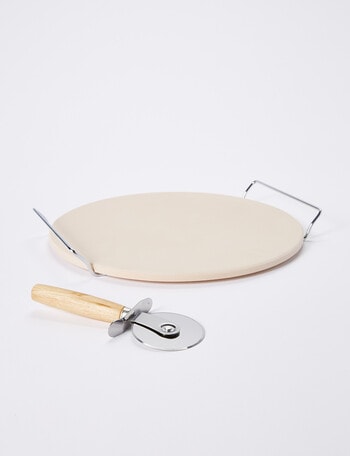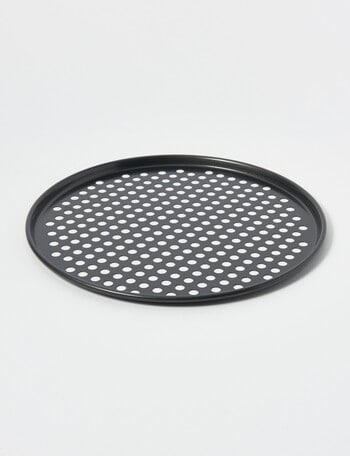
Achieving a crisp, browned exterior on meats and vegetables is facilitated by using shallow roasting dishes and pans. At Farmers NZ, our roasting collection features durable solutions from brands like Baccarat, MasterPro, and Stevens, designed for efficient thermal distribution. The lower sides of these vessels are intended to allow hot air to circulate freely around the food, which is essential for roasting rather than steaming, making them suitable for Sunday roasts and seasonal tray-bakes.
Built to handle high oven temperatures, roasting hardware is often constructed from materials with high thermal conductivity, such as stainless steel, hard anodised aluminium, or cast iron. Most designs are intended to provide a stable base for heavy proteins and may include integrated handles for easier maneuvering. Having a variety of sizes ensures that the pan is matched to the volume of ingredients for an efficient and consistent cook.
The choice of a roasting pan often depends on the weight and size of the ingredients being prepared. Large roasting pans from the Baccarat Professional or iD3 ranges are frequently selected for whole poultry or large joints of meat, often accommodating roasting racks to elevate the food for even heat distribution. For tasks like roasting potatoes or roots, shallower dishes with specialty surfaces—such as the MasterPro Roast & Crisp or Stevens honeycomb bases—are commonly used to encourage maximum air exposure and a crisp finish.
Materials used for roasting are chosen for their ability to manage intense heat and facilitate stovetop deglazing. Stainless steel is a frequent choice for its robustness and resistance to reactive ingredients, while hard anodised options provide a durable surface that is twice as hard as stainless steel. For those seeking long-term heat retention, cast iron roasters and enamelled pieces from Le Creuset or Cinemon offer a stable thermal mass that is intended to transition seamlessly from the hob to the oven for professional-style results.
Modern roasting dishes are designed to support a variety of culinary techniques, including the preparation of gravies and sauces directly in the pan. Choosing a pan that is suited to your stovetop technology, including induction, is a common priority for a functional kitchen. Whether using a double roaster for moisture-locked slow roasting or a classic rectangular pan for a family meal, selecting hardware with a high-quality finish ensures easier food release and simplified maintenance after use.
Should I use a roasting pan with a rack?
Using a rack is commonly suggested for large cuts of meat to allow heat to reach the underside and to prevent the protein from sitting in its own juices. This results in a more even sear across the entire surface. For vegetables or tray-bakes, placing ingredients directly onto the roasting pan is usually preferred to achieve better caramelisation and texture.
What is the best way to clean a pan after roasting?
To maintain the utility of a roasting pan, soaking it in warm, soapy water shortly after use is a frequent practice to loosen baked-on residues. For stainless steel, deglazing the pan with liquid while it is still warm can help remove bits for sauces while making the final cleaning process more efficient. It is a common recommendation to avoid abrasive tools on non-stick or enamelled surfaces to preserve the finish over time.
Can roasting pans be used for making gravy on the stovetop?
Many heavy-duty roasting pans, such as those from the Baccarat Professional or iD3 ranges, are designed to be used directly on the stovetop for deglazing and making gravy. However, it is essential to check the manufacturer’s specifications, as some thin-gauge pans or specific glass materials may not be suited to direct stovetop heat. Cast iron and heavy-duty stainless steel are typically suited to this multi-step cooking process.
How do I choose the correct size roasting pan?
A roasting pan should be large enough to hold the food without overcrowding, ensuring air can circulate for browning. However, a pan that is excessively large for the ingredients can cause juices to evaporate too quickly or burn on the empty surface. Selecting a size that allows for a small amount of space around the food is a common strategy for a successful and consistent roast.