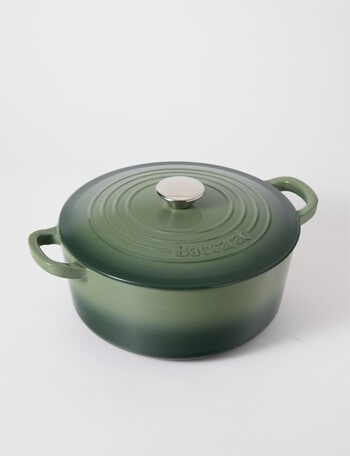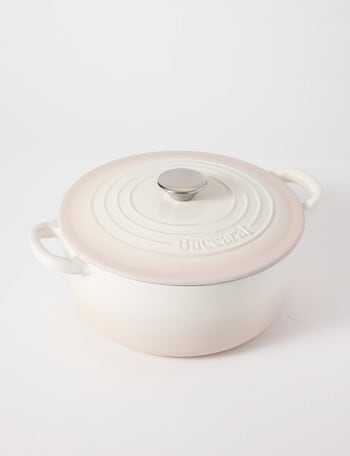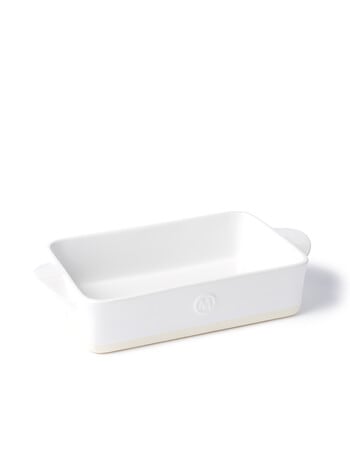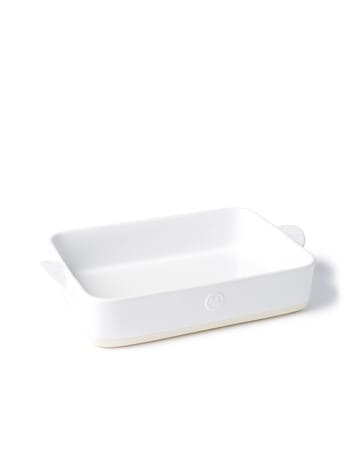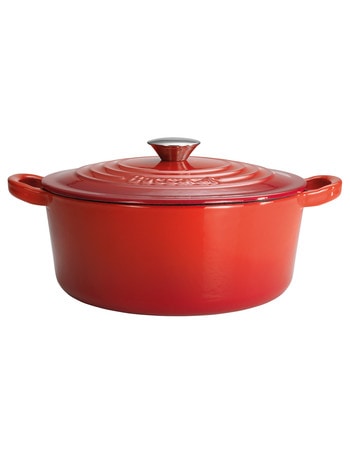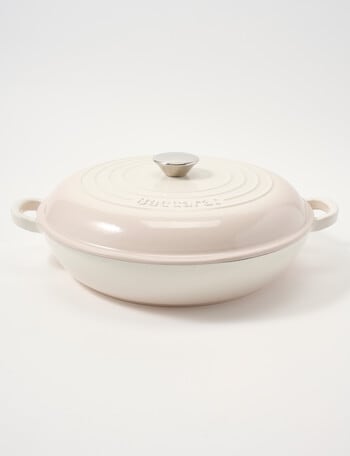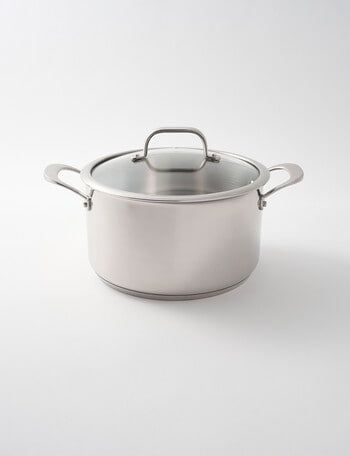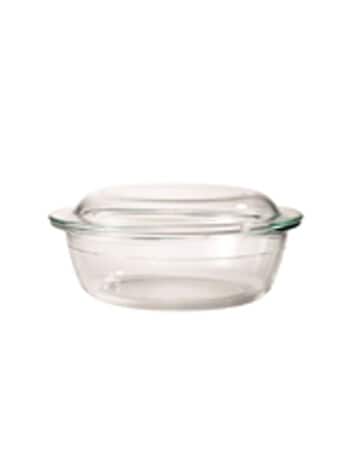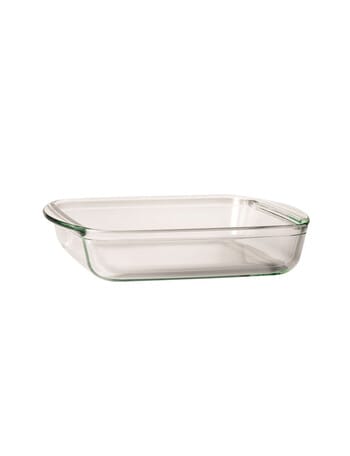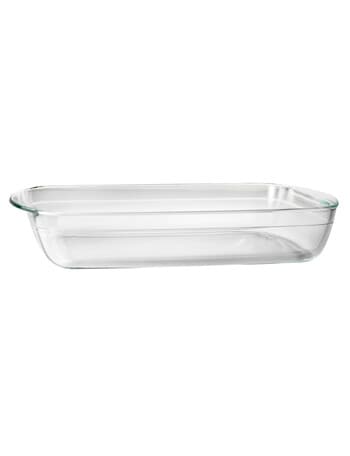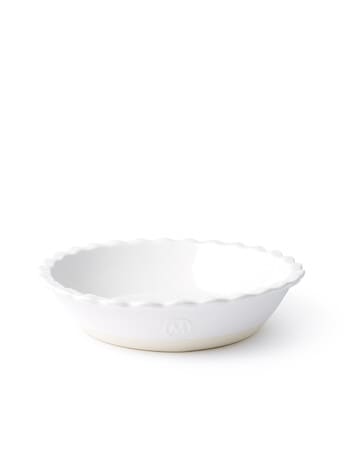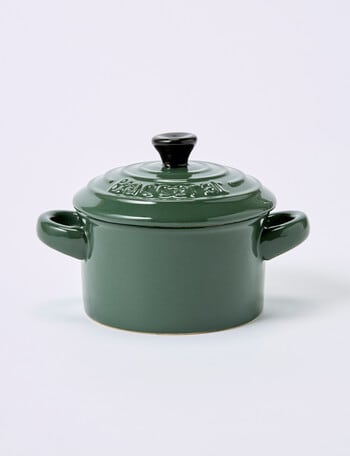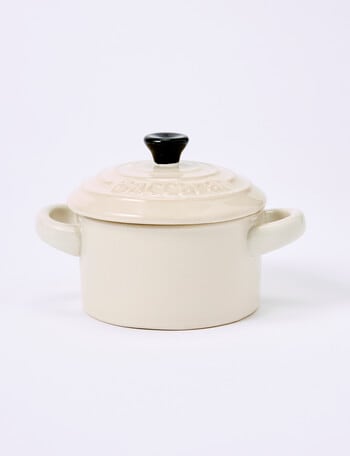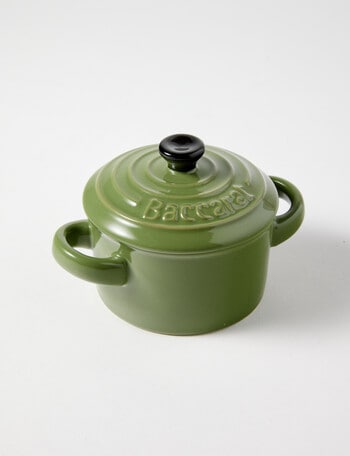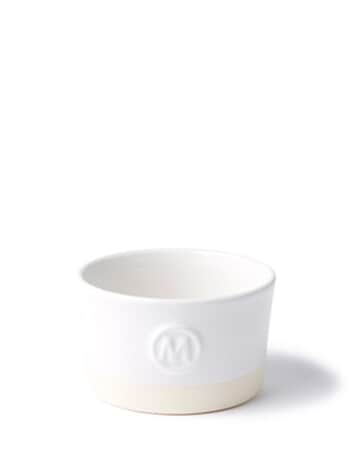
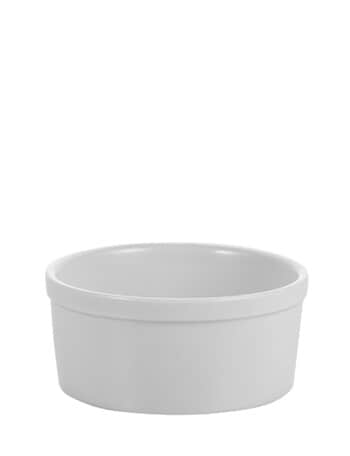
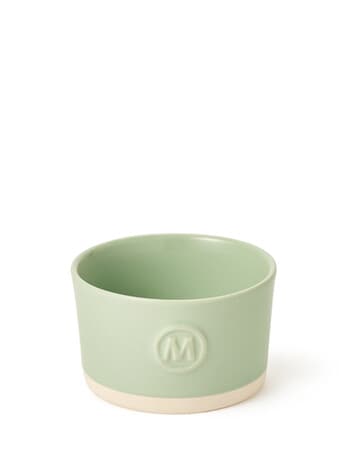
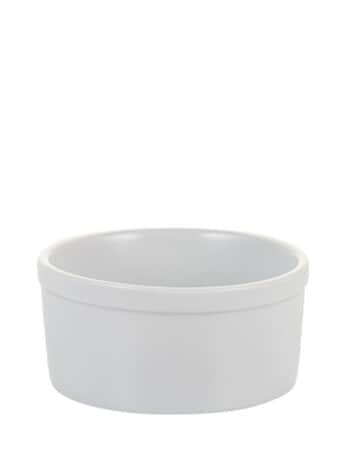
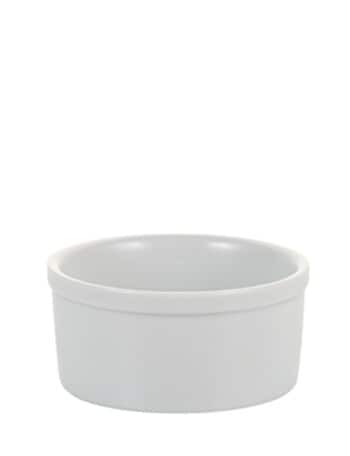
The utility of deep-sided oven dishes lies in their ability to hold significant volumes of liquid and layered ingredients during long baking cycles. At Farmers NZ, our collection of oven dishes features durable solutions from brands like Pyrex, Baccarat, and Le Creuset, designed for consistent moisture retention. Whether you are preparing a slow-cooked casserole, a pasta bake, or a fruit crumble, having a variety of depths ensures even heat distribution and prevents overflow in the oven.
These vessels are intended to transition from high-heat environments to the dining table, constructed from materials that retain warmth for extended periods. Most versions are multi-functional, supporting both the preparation and the presentation of a meal. Their robust build is suited to domestic oven use, providing a reliable foundation for daily meal preparation and family-style service.
Oven dishes are frequently constructed from ceramic, stoneware, or borosilicate glass to suit different baking requirements. Pyrex glass dishes are a common choice for their thermal shock resistance and transparency, allowing the cook to monitor browning without opening the oven door. For recipes requiring superior heat retention, Le Creuset stoneware and Baccarat ceramic dishes are often preferred for their natural insulation, which keeps food warm throughout a meal while offering a durable, scratch-resistant finish.
Selecting the correct capacity often depends on the number of portions and the specific recipe structure. Rectangular dishes are frequently selected for structured meals like lasagne, while oval and square formats are commonly used for rustic vegetable bakes and crumbles. Designs like the Pyrex Easy Grab range incorporate handles intended for a secure grip, making it easier to manage the transition from a hot oven to the countertop, particularly when handling heavier family-sized portions.
Modern baking dishes are built to withstand frequent use and high temperatures while maintaining their aesthetic appeal for table service. Using non-porous materials like borosilicate glass or high-fired stoneware ensures that the vessels do not absorb odours or stains over time. These materials are selected for their ability to distribute heat centrally and evenly, which is essential for ensuring that dense casseroles and delicate desserts are cooked thoroughly without hot spots.
What is the difference between an oven dish and a roasting pan?
Oven dishes typically have higher sides and are commonly used for recipes involving liquids or layers, such as gratins or puddings. Roasting pans are usually shallower to allow air to circulate for browning meats. Oven dishes, particularly those from Le Creuset and Baccarat, are also frequently designed with finishes suitable for direct table service, whereas roasting pans are often built with a focus on high-heat thermal conductivity for searing.
Are all ceramic oven dishes safe for high temperatures?
Most quality ceramic and stoneware oven dishes are intended for temperatures up to 220°C or 250°C. It is a common practice to check the manufacturer’s specific temperature rating, especially when using a grill or fan-forced setting, to ensure the integrity of the glaze and the material is maintained. Most stoneware is also suitable for use in the microwave and freezer, providing a versatile storage and reheating solution.
How do I prevent food from sticking to my glass or ceramic dish?
Lightly greasing the interior with oil or butter is a frequent technique used to facilitate easier serving and cleaning. For layered bakes, ensuring the dish is not overfilled can prevent sauces from baking onto the rim, which helps maintain the finish of the dish over time. High-quality glass and glazed ceramic are selected for their smooth surfaces, which generally offer easier food release compared to unfinished materials.
Can I use a Pyrex or stoneware dish on the stovetop?
Standard ceramic and glass oven dishes are not designed for direct contact with stovetop elements or flames, as concentrated heat can cause the material to crack. If a recipe requires searing on the hob before baking, it is commonly suggested to use a specialised cast iron or metal vessel instead. Always refer to the care instructions on the base of the dish to ensure it is used according to its specific thermal design.