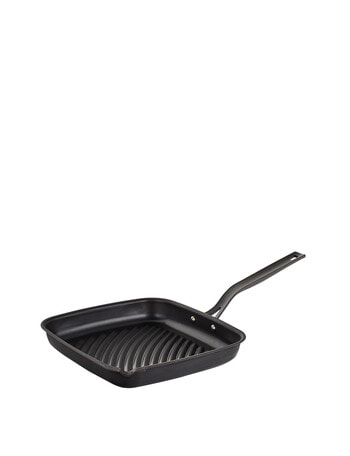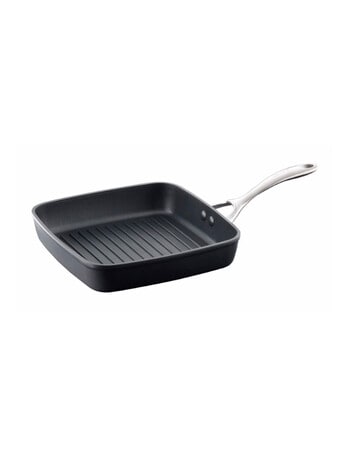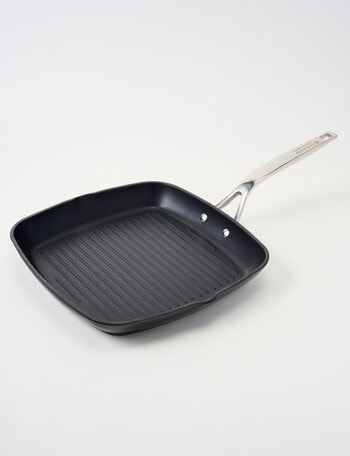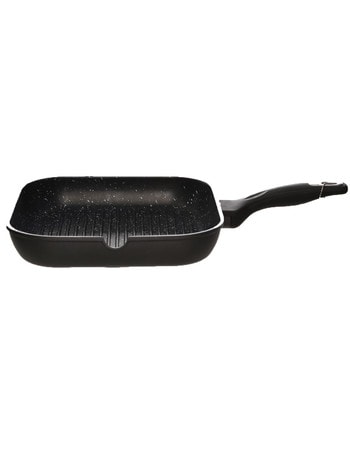
Achieving a char-grilled effect on the stovetop is facilitated by the use of a ridged grill pan. These pans feature raised lines designed to elevate food away from the cooking surface, allowing excess oils to drain and creating distinct sear marks. This format is commonly used for proteins such as steak, chicken, and halloumi, as well as for vegetables like zucchini and asparagus in a domestic kitchen.
The utility of a grill pan lies in its ability to mimic outdoor grilling techniques while maintaining the convenience of indoor preparation. Built to handle high temperatures, these pans are often constructed from heavy-duty materials that retain heat effectively. Most designs include deep grooves to manage moisture, ensuring that ingredients are seared rather than steamed during the process.
The primary function of the ridges in a grill pan is to minimise the contact area between the food and the base of the pan. This separation allows rendered fats and juices to collect in the channels, which is particularly useful for achieving a drier sear on denser ingredients. This method is commonly chosen when a specific texture and visual grilled appearance are the priorities for a recipe.
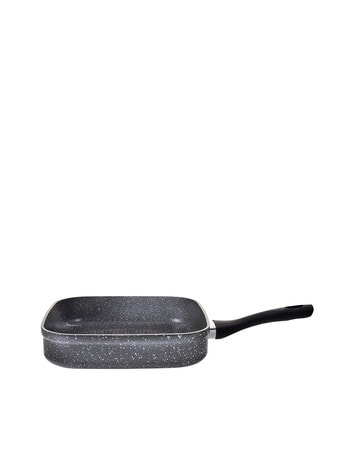
Grill pans are frequently available in square or round formats. Square pans often provide a larger cooking surface area, which is practical for arranging multiple cuts of meat or long vegetables. Materials like cast iron are frequently preferred for grill pans due to their exceptional heat retention, while non-stick aluminum versions are commonly used for easier cleaning and faster heating cycles.
Cleaning a grill pan requires attention to the grooves where food particles can collect. It is often suggested to allow the pan to cool slightly before soaking in warm, soapy water to loosen residues. For cast iron varieties, specialised brushes are commonly used to reach between the ridges, while non-stick versions benefit from soft sponges to preserve the integrity of the coating over time.
Is it better to oil the food or the grill pan?
It is commonly suggested to lightly oil the food rather than the pan itself. Because grill pans are used at high temperatures, oiling the pan directly can lead to excessive smoke. Applying a thin layer of oil to the ingredients helps prevent sticking and promotes even browning along the ridges.
How do I prevent a grill pan from smoking too much?
Using oils with a high smoke point and ensuring the pan is free of old food residues are common ways to manage smoke levels. It is also helpful to match the heat setting to the material of the pan; for example, cast iron retains heat so well that a medium-high setting is often sufficient for a successful sear.
Can I use a grill pan on a glass or induction cooktop?
Many grill pans are compatible with glass and induction stovetops, provided they have a flat, magnetic base. When using heavy cast iron on glass, it is a frequent practice to place and lift the pan carefully rather than sliding it, to help maintain the condition of the cooktop surface.
What is the difference between a griddle and a grill pan?
While the terms are sometimes used interchangeably, a grill pan strictly features ridges for searing. A griddle is typically a flat plate used for pancakes or eggs. Choosing a grill pan is specifically intended for tasks where you want to achieve char marks and allow fats to drain away from the ingredients.