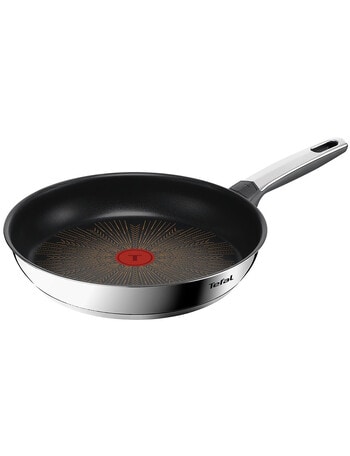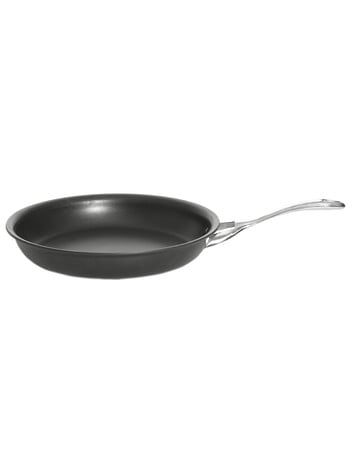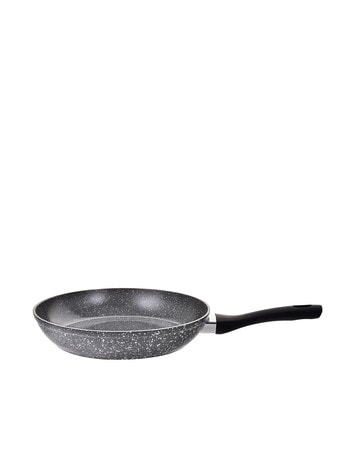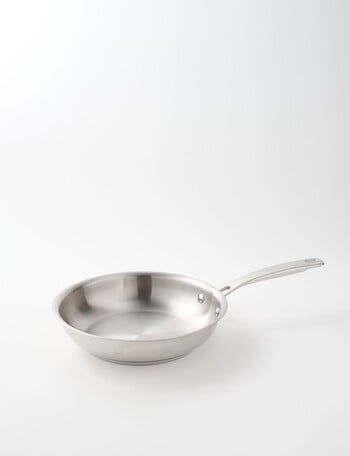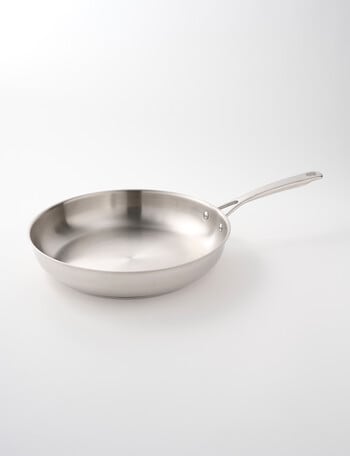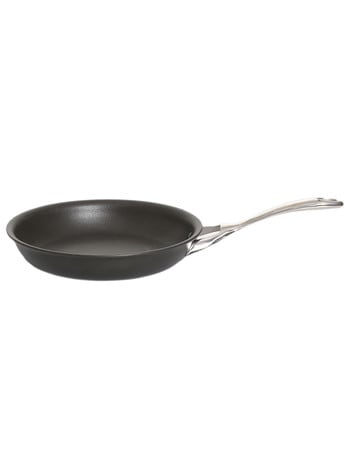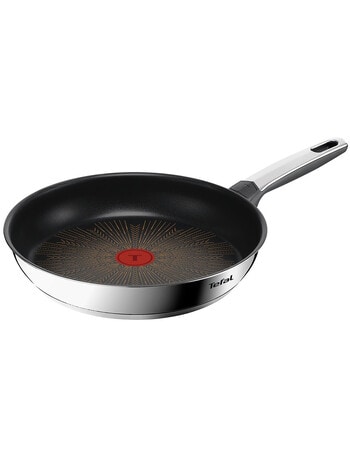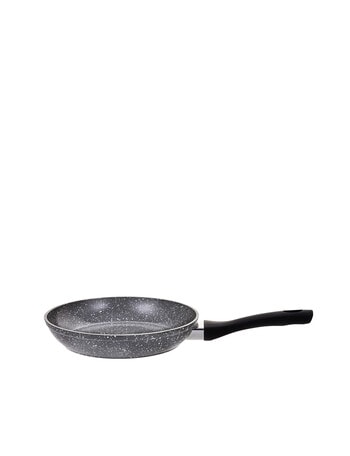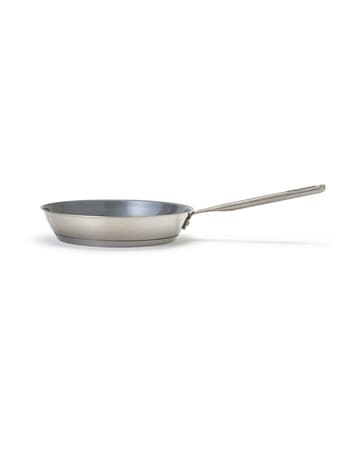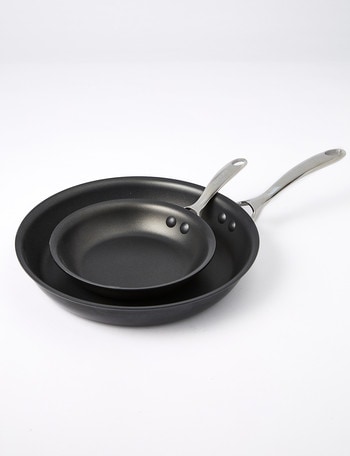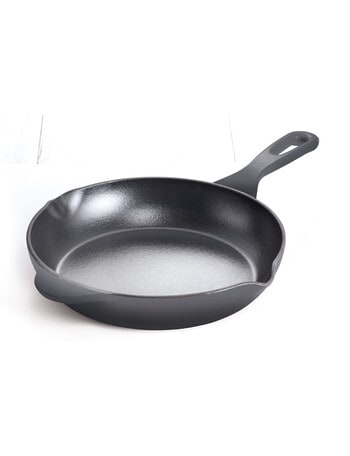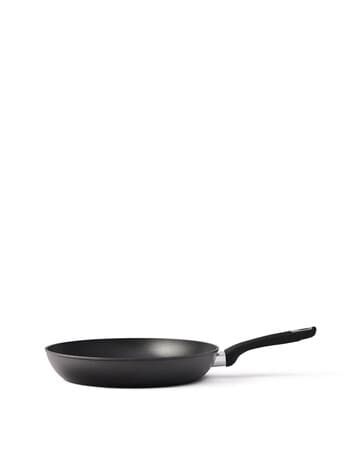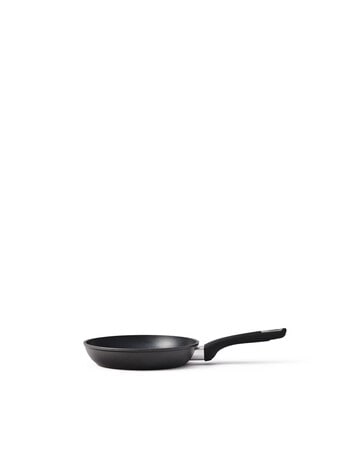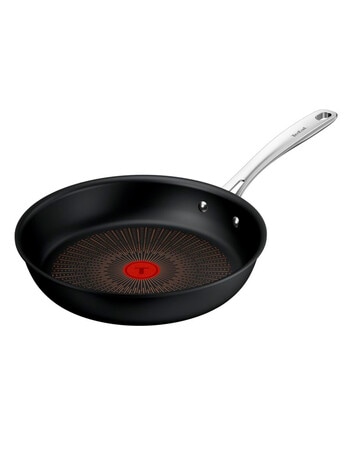
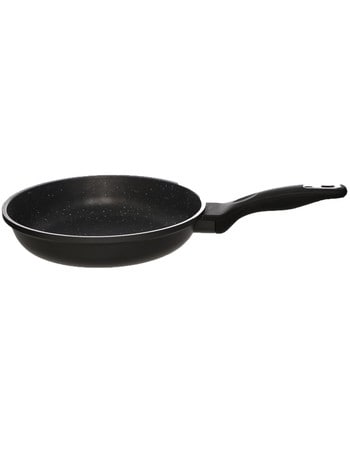

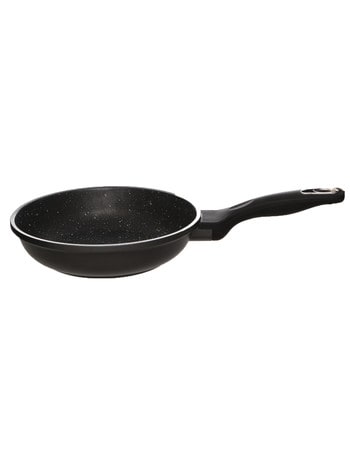
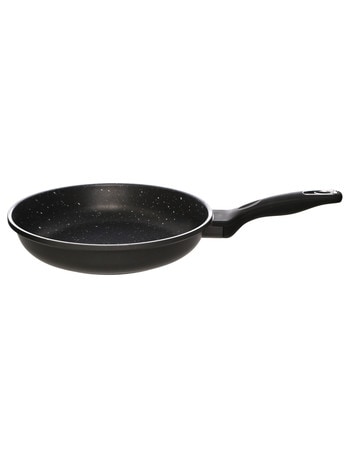

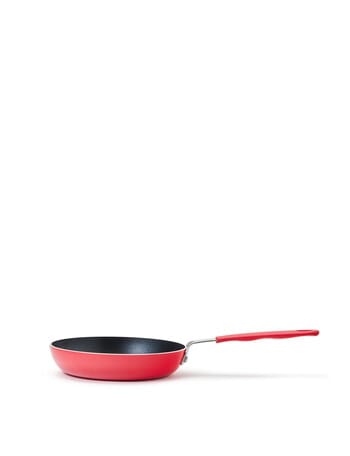
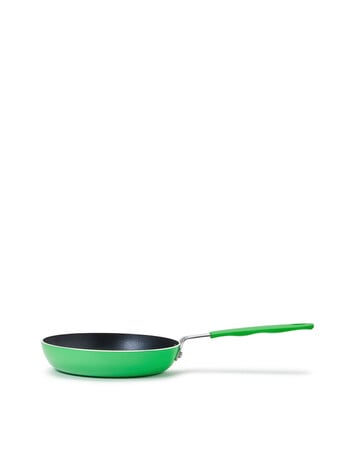
The utility of a flat-bottomed fry pan lies in its ability to provide even heat across a wide surface area. These pans are commonly used for tasks that require direct contact and frequent movement, such as sautéing vegetables, frying eggs, or searing smaller cuts of protein. Having a selection of diameters ensures that the appropriate pan is available for everything from individual portions to side dishes in a domestic kitchen.
Designed for daily use on the stovetop, these pans are built to handle various temperature ranges and frequent cleaning. The shallow sides of a fry pan allow for easy access with spatulas and turners, making them a practical choice for recipes that involve flipping or tossing ingredients. Most modern versions are intended to provide a stable cooking base that integrates into standard kitchen routines.
Fry pans are frequently selected for quick, high-heat cooking where moisture needs to evaporate rapidly to achieve a browned exterior. Their design is suited to techniques like pan-frying, where a small amount of oil is used to create texture without immersing the food. Because of their versatility, these pans are often the most utilised pieces in a cookware inventory for breakfast, lunch, and dinner tasks.
Choosing a fry pan often depends on the volume of food being prepared and the size of the stovetop element. A 20cm pan is commonly used for individual servings, while 26cm or 28cm versions are better suited to family-sized meals. The weight of the pan can also influence how heat is managed; heavier pans often provide more consistent temperature stability, while lighter models offer more immediate control for rapid adjustments.
The materials used for fry pans are chosen for their thermal conductivity and ease of release. Non-stick coatings are a frequent choice for delicate ingredients like fish or eggs, while stainless steel is often preferred for achieving a traditional sear on meats. Maintaining the integrity of the pan surface involves following specific care instructions, such as using appropriate utensils to prevent scratching and ensuring the pan is cleaned according to the material's requirements.
How do I choose between a non-stick and a stainless steel fry pan?
The decision often depends on the specific cooking task. Non-stick surfaces are commonly used for low-fat cooking and delicate foods that stick easily. Stainless steel is often preferred for high-heat searing and creating a fond for sauces, as it can withstand higher temperatures and more vigorous use.
What size fry pan is most useful for a standard kitchen?
A 24cm to 26cm fry pan is frequently considered a versatile choice for most households, as it provides enough space for two to three servings without being too heavy. For larger families or batch cooking, having a 30cm option available is often practical.
Can fry pans be used on induction hobs?
Compatibility depends on whether the base of the pan contains magnetic materials. Many modern fry pans are built with induction-compatible bases. It is helpful to check the manufacturer's specifications or look for the induction symbol on the bottom of the pan to ensure it is suited to your stovetop.
Are fry pans safe to use in the oven?
This typically depends on the material of the handle. Pans with full metal handles are often suited to finishing dishes in the oven, whereas those with silicone or wooden components may have specific temperature limits. It is a common practice to check the product guidelines before transitioning a pan from the hob to the oven.