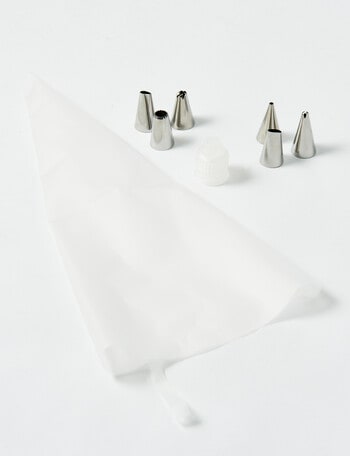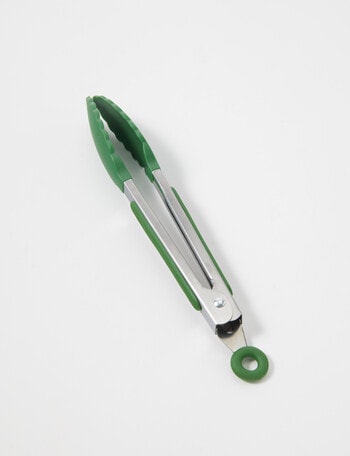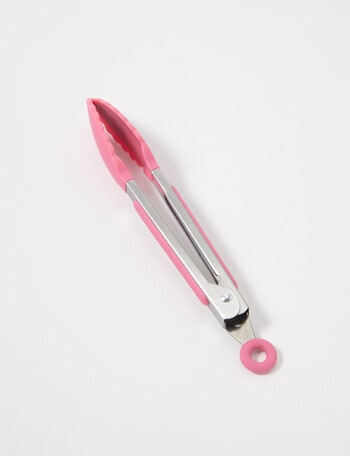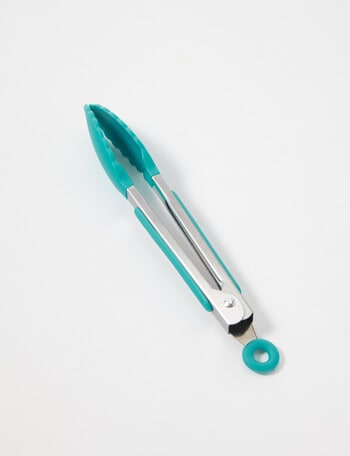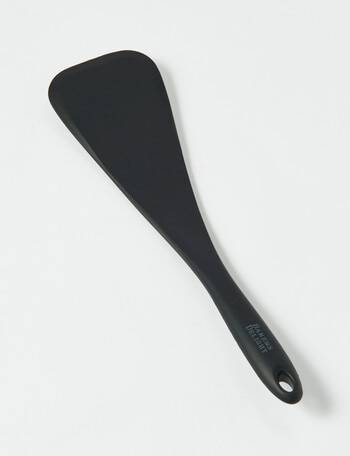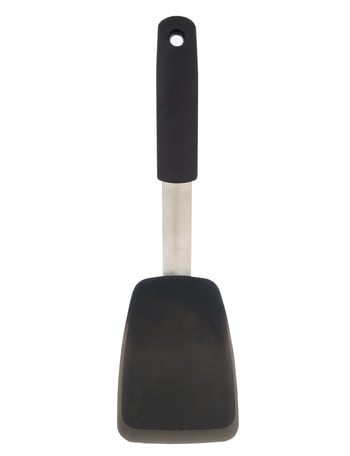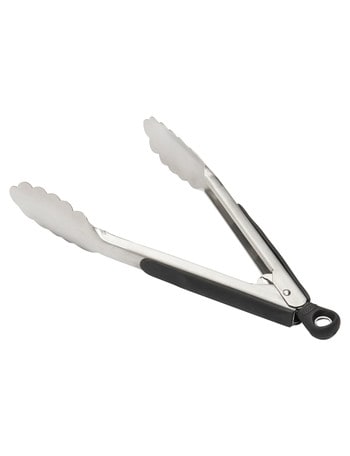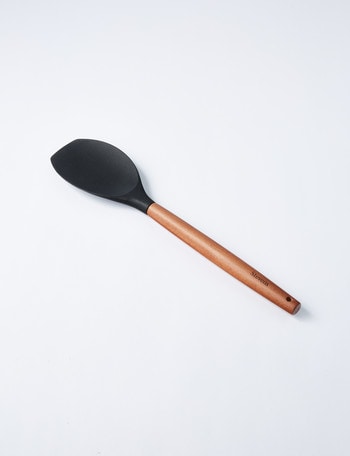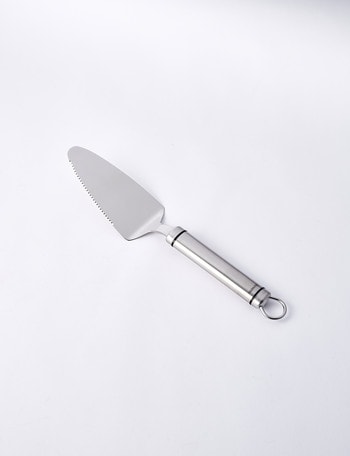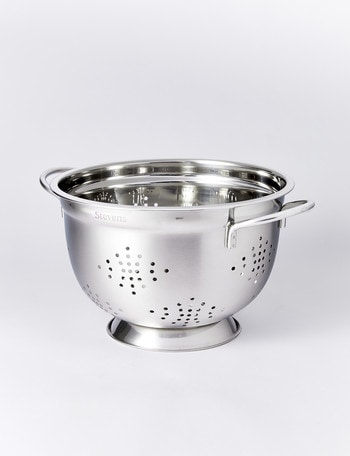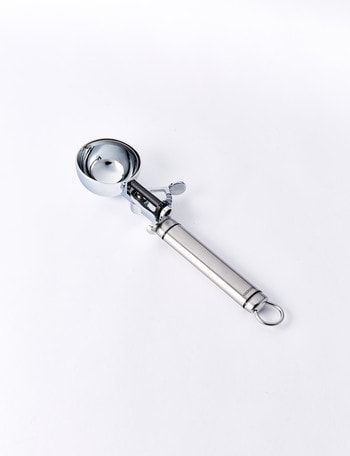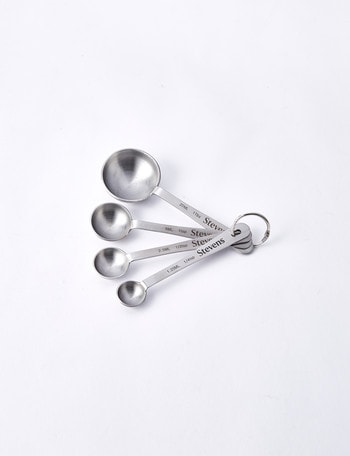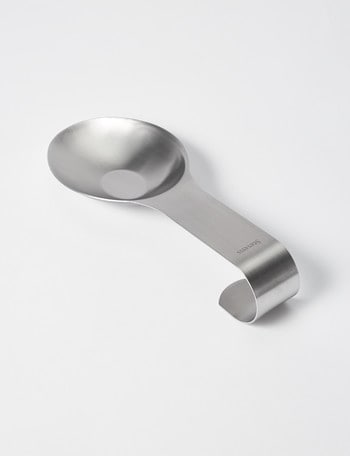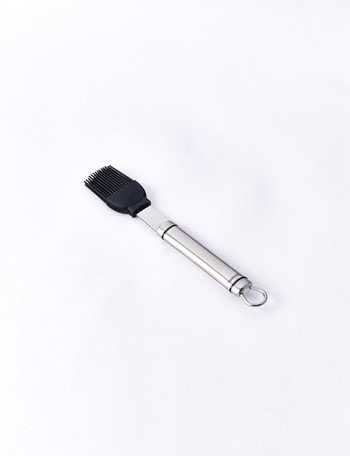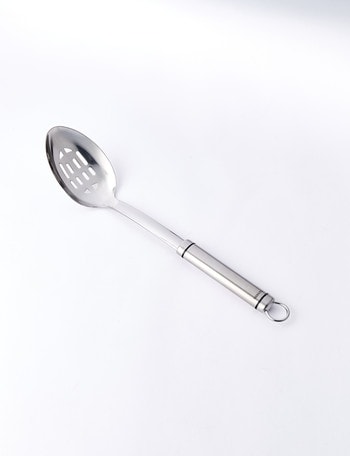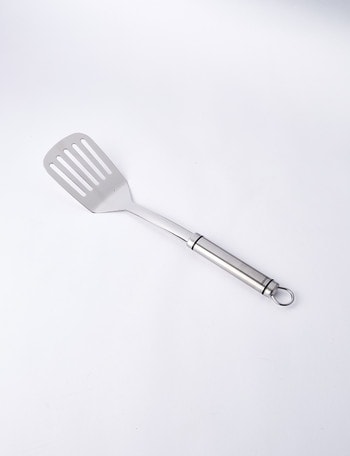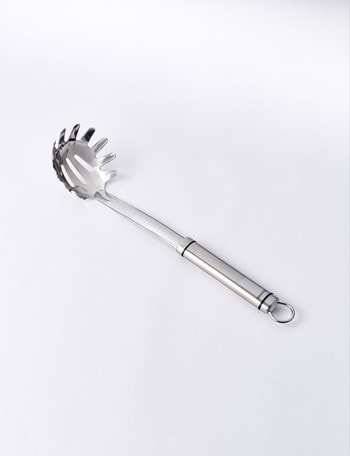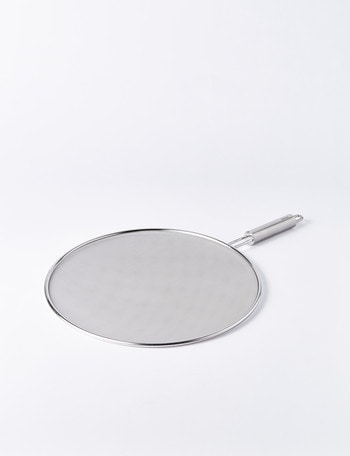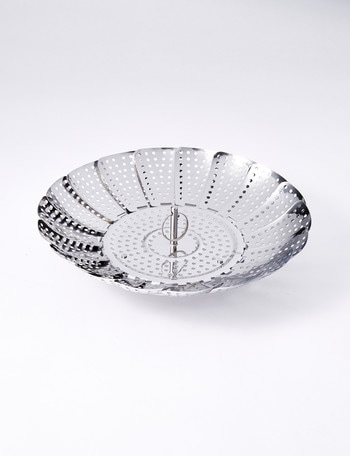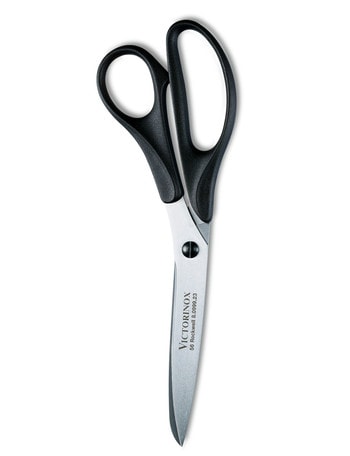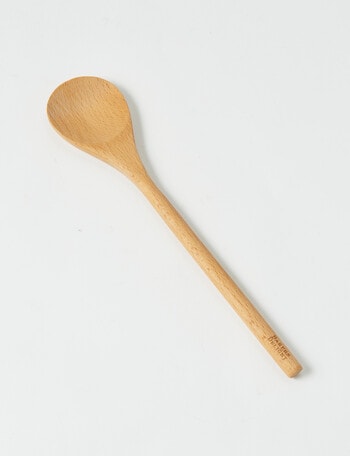


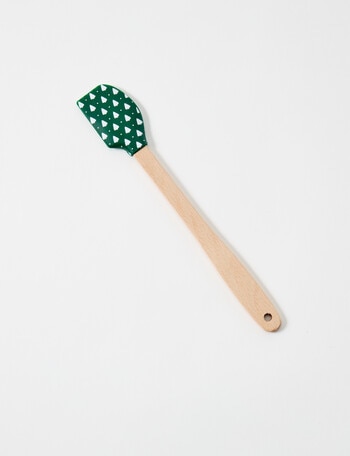
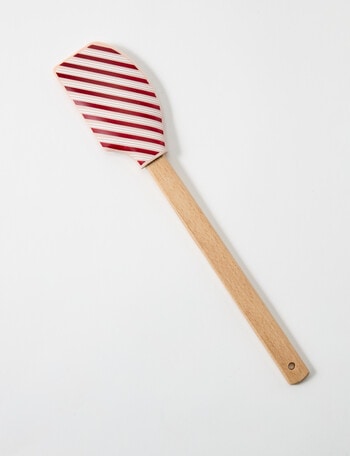
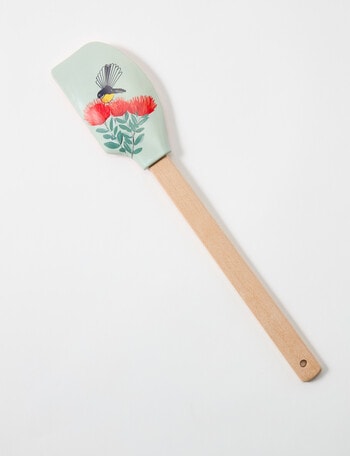

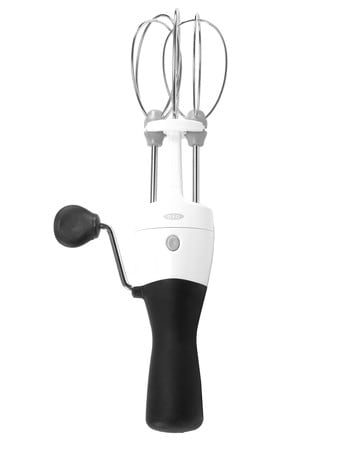
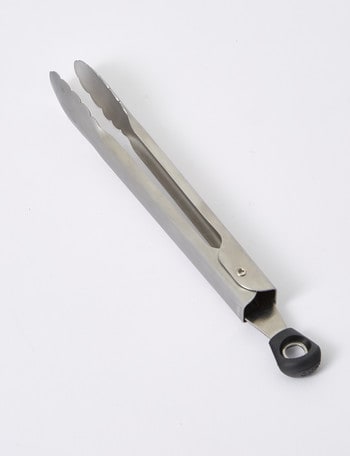
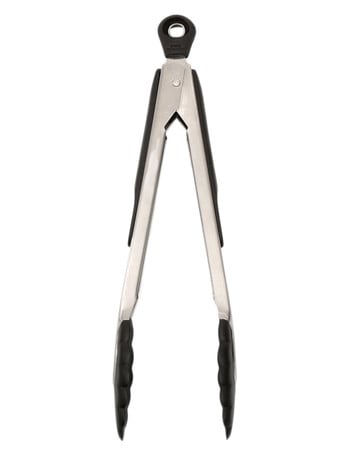
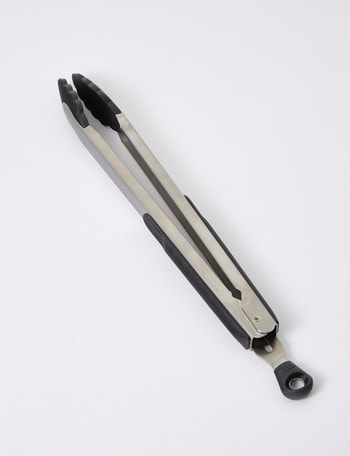
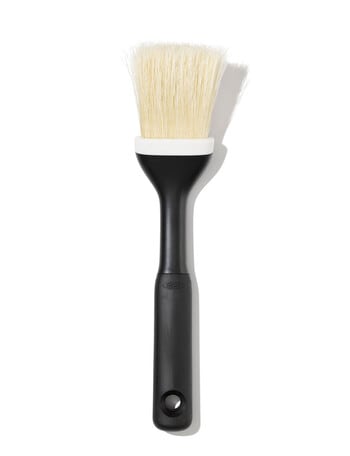
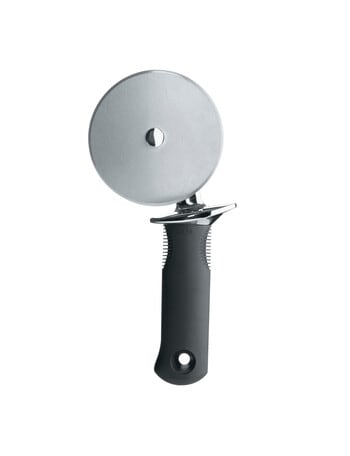
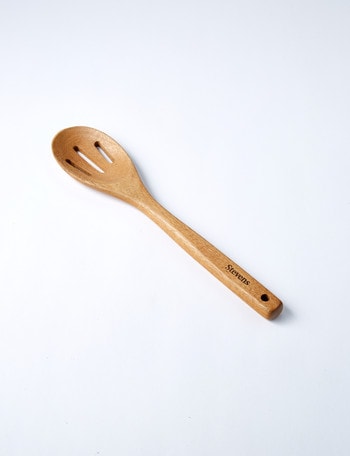
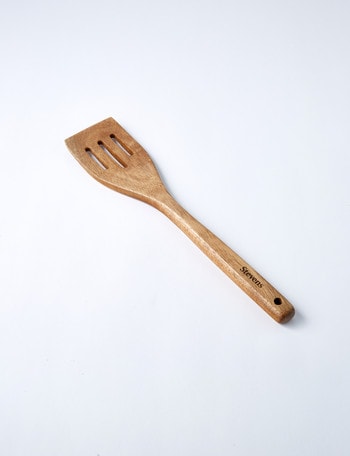
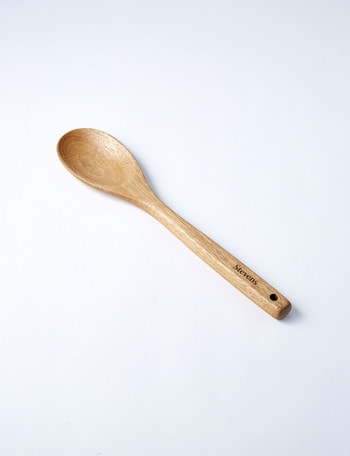
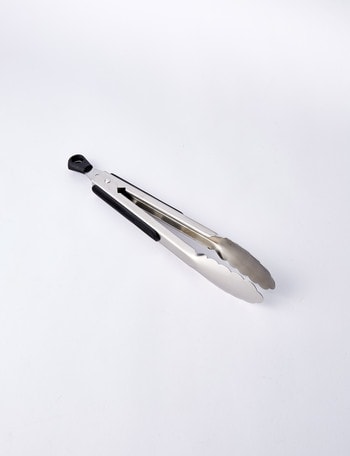
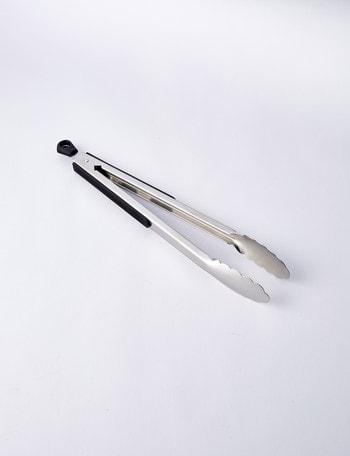
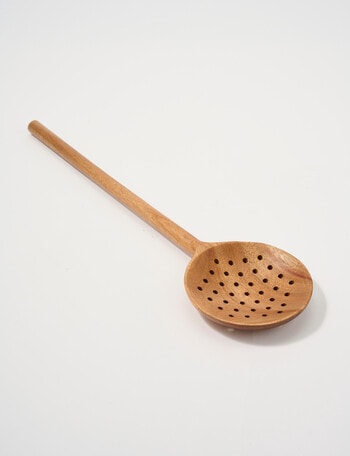
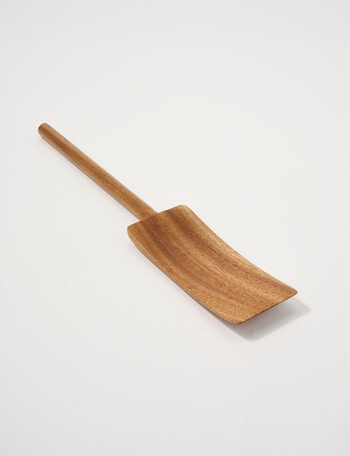
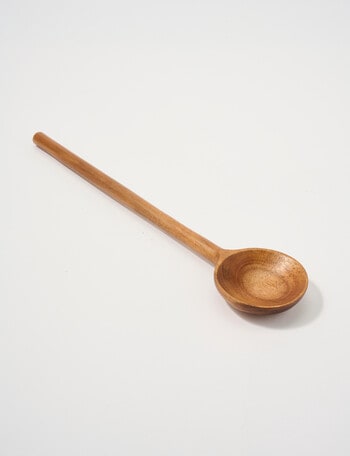
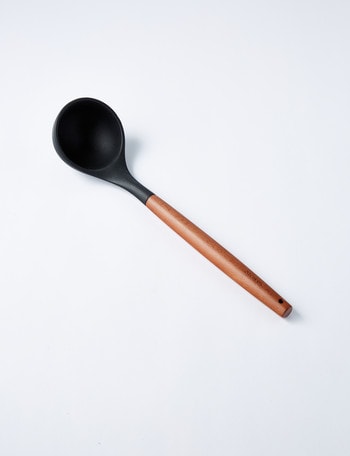
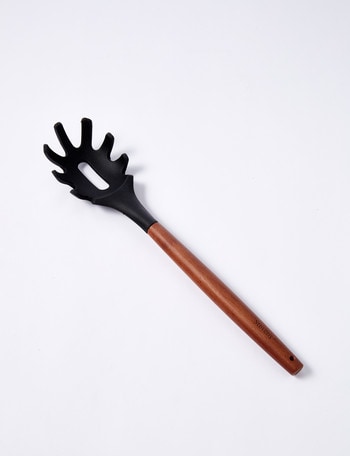
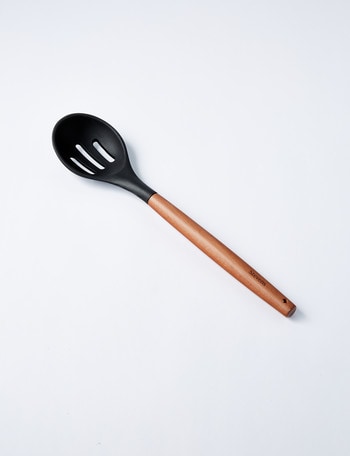
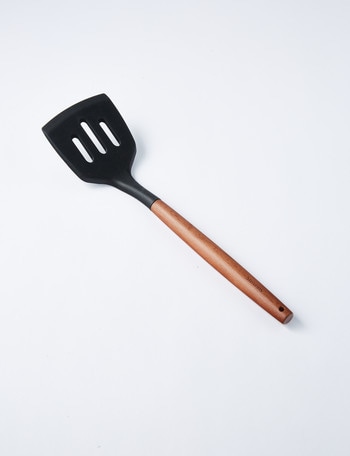
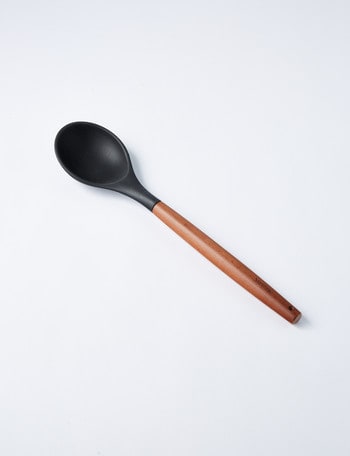
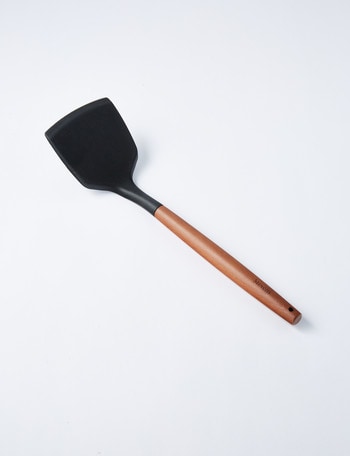
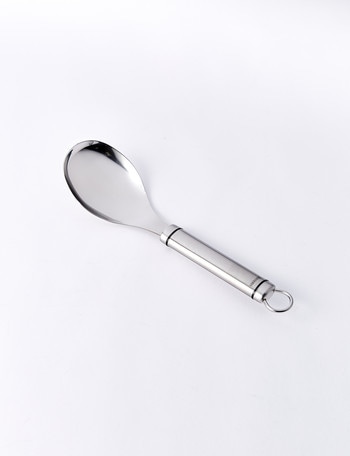
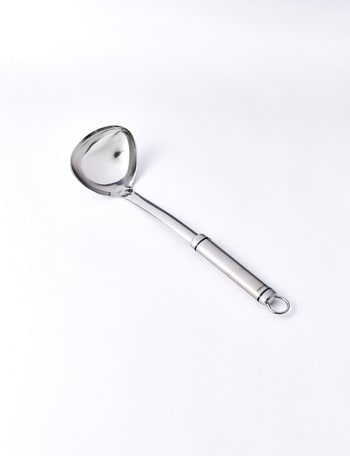
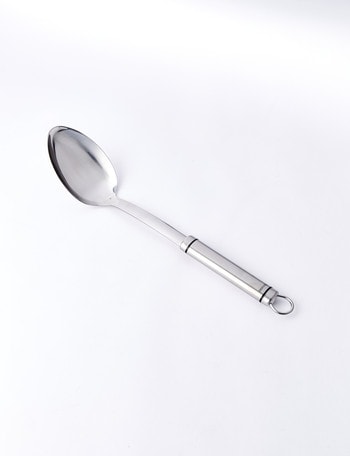
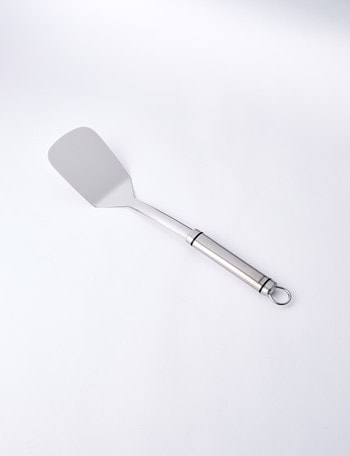
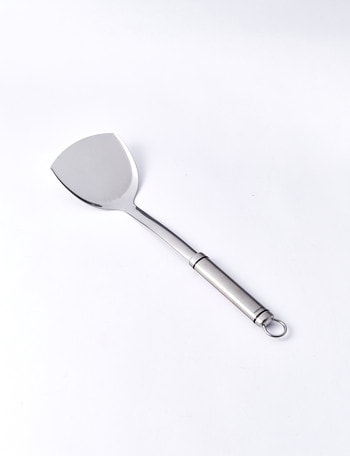
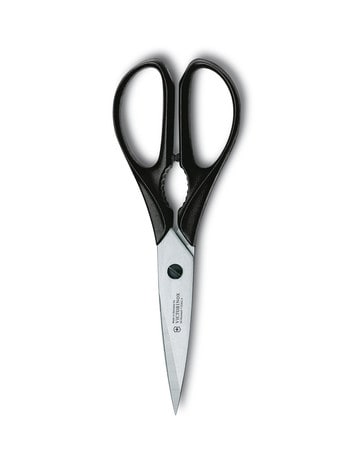
Foundational kitchen utensils bridge the gap between the cook and the heat, providing a safe and efficient way to manage ingredients. Essential items such as turners, tongs, and ladles are commonly used for a wide range of stovetop and preparation tasks. Having a variety of shapes and materials available ensures that stirring, flipping, and serving are handled with precision, supporting a smooth and organised cooking process in a domestic kitchen.
Modern utensils are built for durability and handle high temperatures while remaining comfortable to use. Whether whisking a delicate sauce or flipping a heavy protein, these tools provide a stable grip and effective handling. Most designs focus on balancing weight and flexibility to ensure they integrate into daily meal preparation routines.
The choice of utensil material often depends on the cookware being used. Silicone and nylon tools are frequently selected for use with non-stick pans to prevent surface wear and maintain the integrity of the coating. Stainless steel utensils are commonly preferred for cast iron or stainless steel cookware, where robustness and a thin profile are required for tasks like deglazing or flipping. Having a mix of materials ensures the appropriate tool is always ready for any recipe.
Is it better to use a solid or slotted spoon?
The choice typically depends on whether there is a need to retain or drain liquids. Solid spoons are frequently used for stirring and serving sauces or grains. Slotted spoons are commonly preferred for lifting ingredients out of hot water or oil, allowing liquid to drain away while keeping the food intact. Both are essential for a versatile kitchen toolkit.
Are all utensils safe for high-heat cooking?
Most modern silicone and metal utensils handle temperatures up to 200°C or higher. However, it is a common practice to avoid leaving plastic or nylon tools in contact with a hot pan for extended periods to prevent melting. Checking the manufacturer’s heat rating is a reliable way to ensure the tool is suited to specific cooking habits.
What is the best way to clean and maintain utensils?
Rinsing utensils shortly after use is a frequent recommendation to maintain finish and utility. While many stainless steel and silicone items are dishwasher safe, hand-washing with mild detergent is often suggested for items with wooden handles or specialised coatings. Ensuring tools are completely dry before storage helps prevent oxidation and maintains their appearance over time.