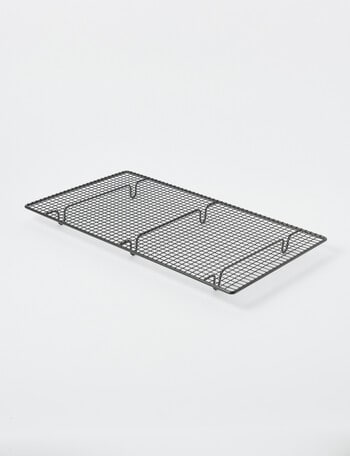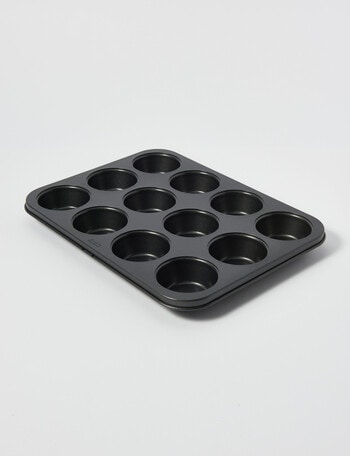
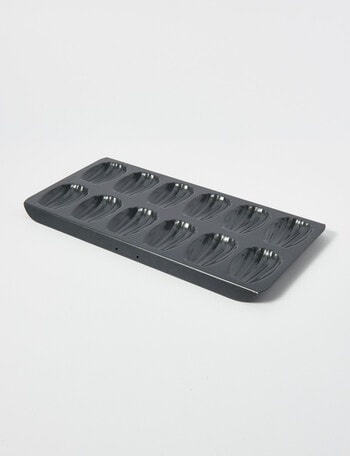
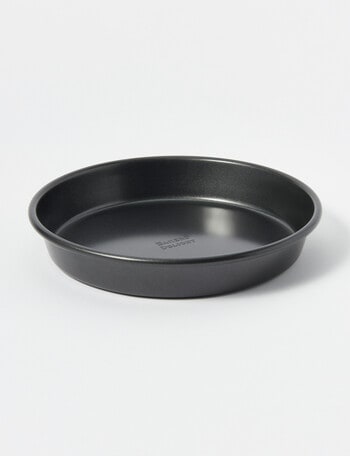
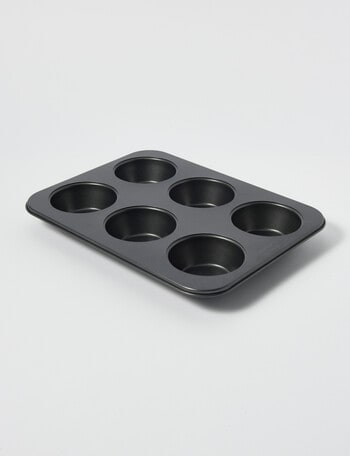

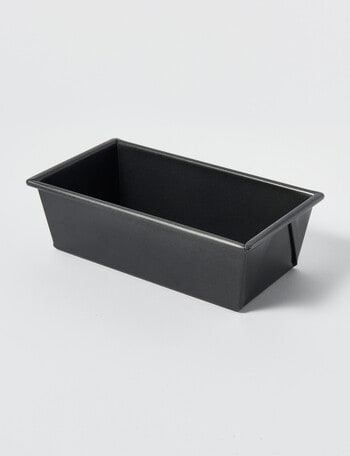
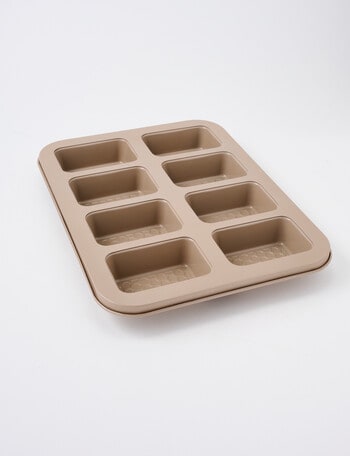


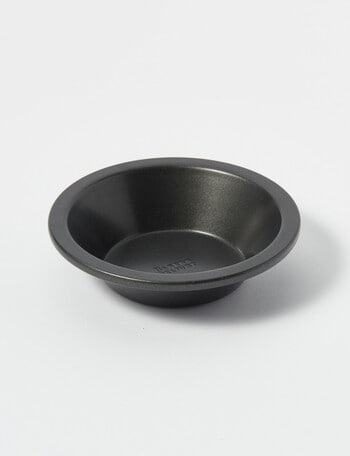
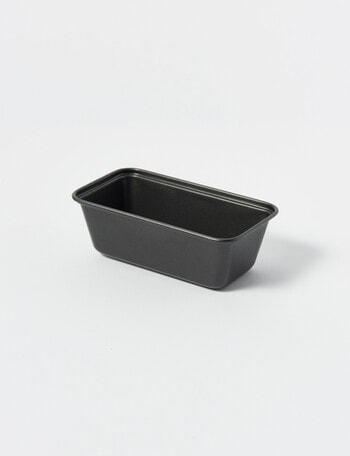
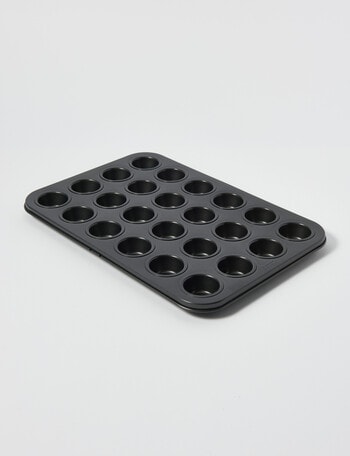
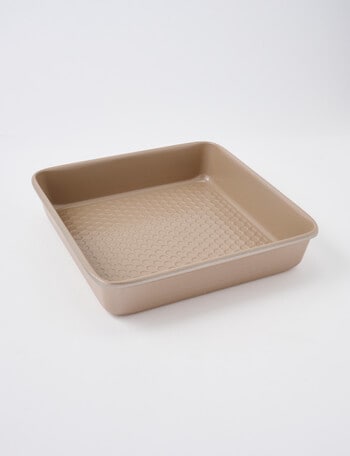
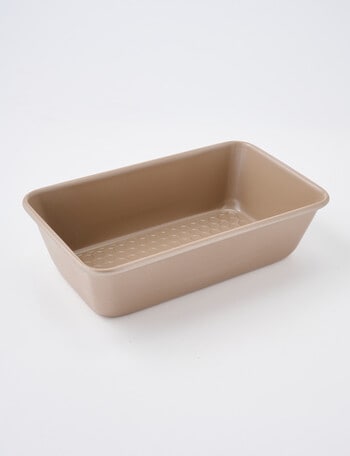
Successful baking often relies on the structural support provided by specialised tins during the rising and setting process. At Farmers NZ, our collection features durable solutions from Bakers Delight and Stevens, designed to ensure heat is distributed evenly through every batter. Having a range of formats available-from traditional round and square tins to multi-cavity muffin pans-ensures that the appropriate hardware is ready for various sweet and savoury recipes.
Modern baking hardware is intended to handle regular exposure to oven heat while facilitating a clean release once your items have cooled. Whether you are using a Bakers Delight springform pan for a delicate sponge or a Stevens honeycomb loaf pan, selecting the correct depth and diameter is essential for achieving a consistent result. These core pieces are built for durability and are commonly used to support daily baking routines in any domestic kitchen.
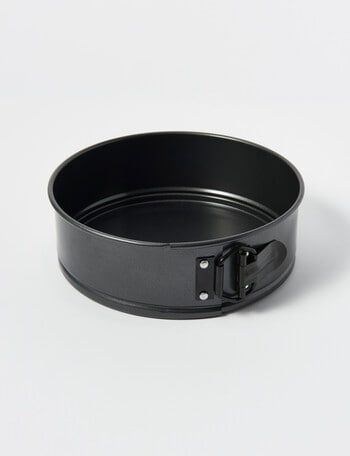
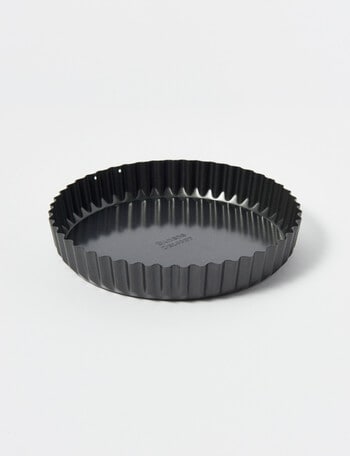
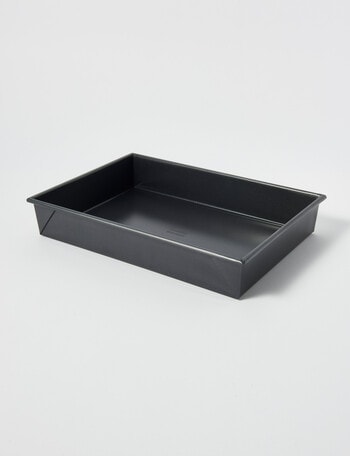
The choice of a tin often depends on the intended portion size and the specific requirements of the batter. The Bakers Delight range offers a versatile selection of rectangular slice pans, loaf pans, and muffin pans in both 6-cup and 12-cup configurations. For specialised bakes, the collection includes madeline pans and springform round cake pans, providing a stable environment for mixtures that require a controlled rise and a clean, structured finish.
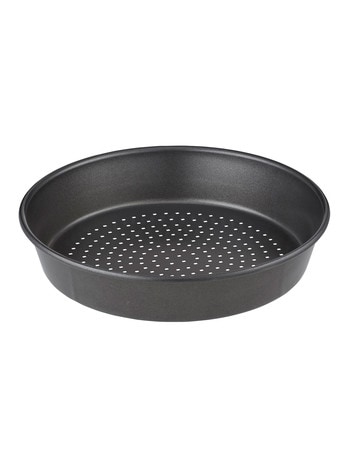
Material characteristics and surface finishes play a significant role in the final texture of baked goods. The Stevens Honeycomb range, including mini loaf pans and springform tins, features a textured base designed to improve airflow and facilitate easier food release. Most of our tins are constructed from heavy-duty materials intended for even thermal distribution, which helps eliminate hot spots and ensures that everything from deep pies to light muffins is cooked thoroughly.
Preserving the integrity of baking surfaces involves following specific care protocols to prevent surface wear. Most Bakers Delight and Stevens tins feature non-stick coatings intended to simplify the removal of delicate bakes. Using a square cooling rack shortly after baking is a frequent practice to help prevent moisture buildup on the base of your cakes. Ensuring all tins are thoroughly hand-washed and dried before storage helps maintain their physical properties and appearance over many years of service.
How do I determine the right tin size for a specific recipe?
It is a common practice to match the volume of the batter to the capacity of the tin to ensure an even bake. If a tin is too large, the bake may not rise sufficiently; if it is too small, the mixture may overflow. Checking the diameter and depth of Bakers Delight tins-such as the 20cm round or 34cm rectangular formats-is a reliable way to achieve the intended results as suggested in your recipe.
What is the benefit of a springform tin compared to a solid base?
A springform tin, such as those in the Bakers Delight and Stevens Honeycomb ranges, features a latch that allows the sides to expand and be removed from the base. This is particularly useful for delicate items that cannot be easily inverted, such as cheesecakes or deep sponges. Solid base tins are often preferred for sturdier batters that are intended to be turned out, providing a seamless finish to the sides of the cake.
Do I still need to grease a tin that has a non-stick coating?
While non-stick coatings are designed to facilitate release, lightly greasing the tin or using baking parchment is a frequent practice for recipes with high sugar content. This provides an extra layer of protection and helps ensure that the final product releases cleanly without any tearing. This is commonly recommended for more intricate shapes, such as the cavities in a madeline pan or a mini loaf tin.
How should I clean and store my baking tins?
To maintain the performance of non-stick surfaces, hand-washing with a mild detergent and a soft sponge is the most frequent recommendation for both Bakers Delight and Stevens hardware. Avoiding abrasive tools helps protect the coating from scratches. Ensuring that muffin pans and cake tins are completely dry before being nested for storage is a common strategy for preventing oxidation and maintaining the integrity of the material.